
What AI Video Changed for Me as a Solo Creator Without a Production Team
AI

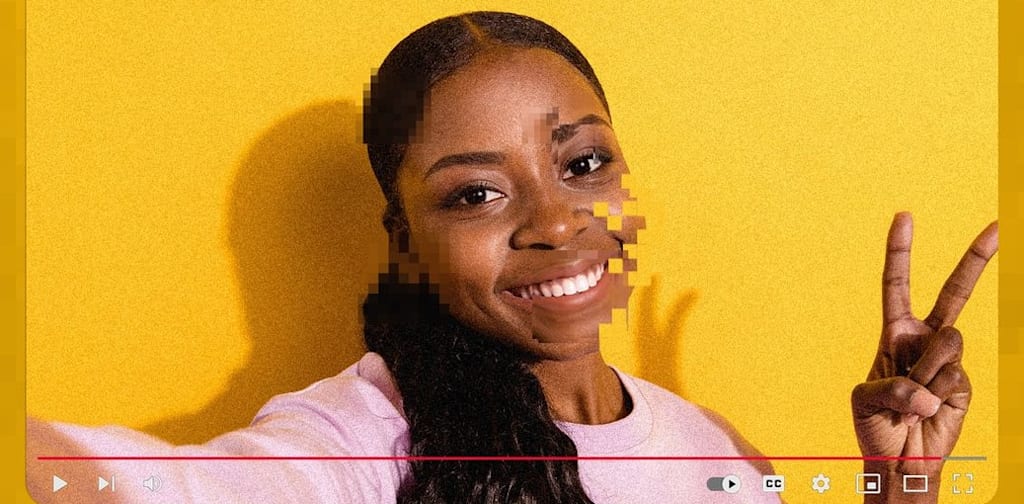
The biggest shift wasn’t automation. It was finally being able to test visual ideas before they lost their energy.
For a long time, video felt like something I admired more than something I could actually make.
I had ideas for it all the time. I could imagine pacing. I could picture the way a shot should breathe. I could tell when something needed to feel intimate, cinematic, restrained, or slightly surreal. None of that was the hard part.
The hard part was getting from the idea to a first version without turning the whole thing into a production problem.
That was always where my momentum broke.
I think that’s a familiar feeling for a lot of solo creators. The issue usually isn’t imagination. It’s friction. A video idea can feel vivid for a few minutes, maybe even a few hours, but if the distance between the idea and the first usable draft is too long, the energy starts to leak out of it.
That used to happen to me all the time.
I would think of a scene, or a mood, or a visual sequence that felt promising. Then the practical questions would show up immediately. Do I have the footage for this? Do I need to build it from scratch? Am I about to spend hours editing just to see whether the concept even works?
A lot of the time, that was enough to stop me before I had really started.
That’s why using an AI video generator changed something important for me.
Not because it removed effort.
Not because every result suddenly looked polished.
And definitely not because it replaced actual taste or judgment.
What changed was simpler than that.
It shortened the distance between the idea and the first visible version.
That ended up mattering more than I expected.
A first version does not need to be perfect to be useful. Sometimes it just needs to exist while the idea still feels alive. It needs to answer a few early questions before the original instinct cools off. Does this framing work? Is the mood right? Does the image want movement, or does it already say enough on its own?
Before AI video became part of my process, answering those questions often required too much setup. I had to commit to too much production before I knew whether the concept deserved that level of commitment in the first place.
Now the first step feels lighter.
And that has changed the way I think about making video.
I used to approach it like an editor from the very beginning. I thought about timelines, assets, structure, and all the technical pieces needed to make something functional. Now I find myself thinking more like a director at the start of the process.
I think about intent first.
What should move?
What should stay still?
Should the scene feel soft or tense?
Is the point to create a finished piece, or just to discover whether the visual direction has any life in it?
That shift may be the biggest creative change for me.
It made visual thinking easier to test.
It also made me realize that not every idea should begin the same way. Some ideas are better when they begin with text. If the concept is still loose or abstract, starting with a prompt gives you room to explore tone and motion without locking yourself into one visual too early.
But other ideas clearly work better when they begin with an image.
That was a bigger realization.
If I already had a strong still image—a portrait, a product visual, or an illustration—trying to regenerate the whole thing from text often made the result worse. The output might be close, but it would no longer feel precise. The composition would drift. The result stopped feeling like a development of the original idea and started feeling like a reinterpretation of it.
That’s when an image-to-video workflow started making much more sense to me.
Instead of asking a system to invent the scene again, I could begin with something that already held the look I wanted. The motion could build on top of that visual anchor instead of replacing it. And when you’re working alone, that kind of control matters.
Of course, that doesn’t mean image-to-video solves everything. Weak source images still lead to weak results. A cluttered frame usually stays cluttered. A flat image rarely becomes emotionally rich just because it starts moving.
Motion style matters too.
Some ideas need barely noticeable movement. Others need stronger animation to feel worth watching. And even when the result looks impressive, you still have to decide whether the motion is actually helping the image say something more clearly.
That part matters.
Because the real value of AI video, at least for me, is not automation for its own sake.
It’s earlier clarity.
I don’t need to finish a whole production process just to learn whether an idea has potential. I can test it sooner. I can reject weak directions sooner. I can see which images actually want motion and which ones were already complete as stills.
That changes the emotional side of creation too.
Traditional video production can make every attempt feel expensive, even when the cost is mostly time and focus. That pressure changes the way you experiment. You hesitate more. You overthink more.
Lanta AI video lower that pressure just enough that experimentation starts feeling normal again.
Not effortless.
Not perfect.
Just possible.
And that has real value.
Even imperfect outputs can be useful. Sometimes especially imperfect outputs. They show you where the idea is weak, where the motion is too much, or when the original concept was better in theory than in practice.
When I wanted to animate a still image I already liked instead of rebuilding the whole scene from scratch, this approach felt easier to control. It helped me focus less on recreating the image and more on whether the motion was actually adding anything meaningful.
That’s the point where AI video starts feeling genuinely useful to me.
Not when it promises instant masterpieces.
Not when it pretends craft no longer matters.
Not when it turns creativity into a button.
It becomes useful when it helps a solo creator stay close to the original spark long enough to shape it into something real.
That’s the real change I noticed.
AI video did not make me care less about the process.
It made the early part of the process less heavy.
It did not remove judgment.
It made judgment possible earlier.
And maybe that’s what I appreciate most now.
I no longer feel like every video idea has to climb over a giant wall of production before I’m allowed to find out whether it deserves to exist.
Sometimes I just need to see the first version while the idea is still warm.
That is what changed for me.
About the Creator
Enjoyed the story? Support the Creator.
Subscribe for free to receive all their stories in your feed.
Comments
There are no comments for this story
Be the first to respond and start the conversation.