
West Africa Renewable Energy Market: Clean Energy Adoption, Infrastructure Investment & Growth Outlook
How increasing investments in solar and wind power projects, supportive government policies, and rural electrification initiatives are accelerating growth in the West Africa renewable energy market.

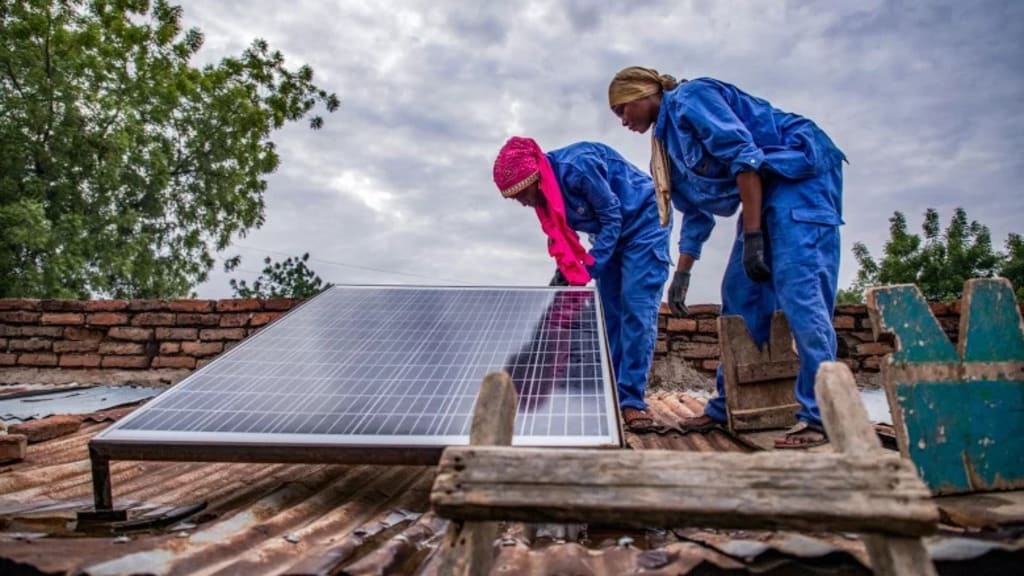
According to IMARC Group's latest research publication, West Africa renewable energy market size reached USD 6.4 Billion in 2025. Looking forward, IMARC Group expects the market to reach USD 7.7 Billion by 2034, exhibiting a growth rate (CAGR) of 2.08% during 2026-2034.
How AI is Reshaping the Future of West Africa Renewable Energy Market
- AI is supercharging solar mini-grids across West Africa, helping companies like Husk Power Systems deliver reliable power to remote villages while cutting operational costs and boosting energy access for thousands.
- Governments are teaming up with AI tools to optimize renewable grids, improving solar and wind forecasts by up to 30% and reducing waste in places pushing hard for clean energy expansion.
- Smart AI partnerships, like Atlas AI with local firms, are pinpointing the best spots for off-grid solar, speeding up rollout and bringing affordable renewable power to underserved communities faster than ever.
West Africa Renewable Energy Market Trends & Drivers:
The renewable energy market in West Africa is experiencing dynamic growth driven by abundant natural resources, particularly high solar irradiance levels that make photovoltaic systems highly effective across the region. Governments are implementing supportive policies and regional frameworks through organizations like ECOWAS to promote clean energy adoption. Rising energy demand fueled by population expansion and urbanization is pushing the development of decentralized solutions such as mini-grids and off-grid systems, which help address electricity access gaps in rural areas. International partnerships and falling technology costs are accelerating project deployment, fostering a shift toward sustainable power sources that enhance energy security while supporting broader economic objectives.
Technological advancements and policy reforms serve as key drivers for renewable energy trends in West Africa, enabling greater private sector participation and investment inflows. National energy plans prioritize solar and other clean technologies to diversify the power mix away from traditional sources. Regional integration initiatives are facilitating cross-border electricity trade and larger-scale projects, improving supply reliability and economies of scale. This environment is creating opportunities for local industries, job generation in installation and maintenance sectors, and long-term socio-economic benefits. The focus on climate resilience is further motivating stakeholders to build flexible and efficient energy infrastructure.
Market trends in West Africa's renewable energy sector highlight a transition toward innovative financing models and public-private collaborations that lower barriers to entry for new projects. Growing awareness of environmental sustainability is encouraging the integration of renewables into industrial and commercial operations. Drivers include the need for reliable power to support economic activities amid infrastructure challenges, alongside commitments to international climate goals. Capacity building and skills development programs are preparing the workforce for this evolving landscape, while advancements in storage and grid technologies are enhancing system stability. Overall, these factors position the region as an emerging hub for clean energy solutions.
West Africa Renewable Energy Industry Segmentation:
The report has segmented the market into the following categories:
Type Insights:
- Hydro
- Solar
- Wind
- Others
Country Insights:
- Nigeria
- Ghana
- Cote de Ivorie
- Cameroon
- Senegal
- Others
Competitive Landscape:
The competitive landscape of the industry has also been examined along with the profiles of the key players.
Recent News and Developments in West Africa Renewable Energy Market
- August 2025: Senegal commissions West Africa's first co-located solar-plus-storage facility in Bokhol, featuring 20 MW solar PV paired with a 10 MW/20 MWh lithium-ion battery system, enabling better grid integration and reducing reliance on diesel at a project cost of around $47 million.
- February 2026: The Regional Electricity Access and Battery Energy Storage Technology (BEST) Project advances in the West African Power Pool, deploying 205 MWh of battery storage to support up to 400 MW of planned solar capacity and deliver nearly 50% of the approved spinning reserve for enhanced frequency control and renewable integration across the region.
- April 2026: Benin strengthens its renewable push through the National Green Financing Framework, coordinating investments in clean energy solutions, incentives for private participation, and programs expanding electricity access via renewables while addressing clean cooking and grid challenges.
Note: If you require specific details, data, or insights that are not currently included in the scope of this report, we are happy to accommodate your request. As part of our customization service, we will gather and provide the additional information you need, tailored to your specific requirements. Please let us know your exact needs, and we will ensure the report is updated accordingly to meet your expectations.
About the Creator
Fatimah
Market research writer at IMARC Group, turning data into engaging stories. Passionate about trends, insights & real-world impact. Join me on Vocal!
Enjoyed the story? Support the Creator.
Subscribe for free to receive all their stories in your feed.
Comments
There are no comments for this story
Be the first to respond and start the conversation.