
West Africa Generic Drug Market: Rising Disease Burden, Generic Adoption & Growth Outlook
How affordability, patent expirations, and public health programs are driving adoption trends in the West Africa generic drug market

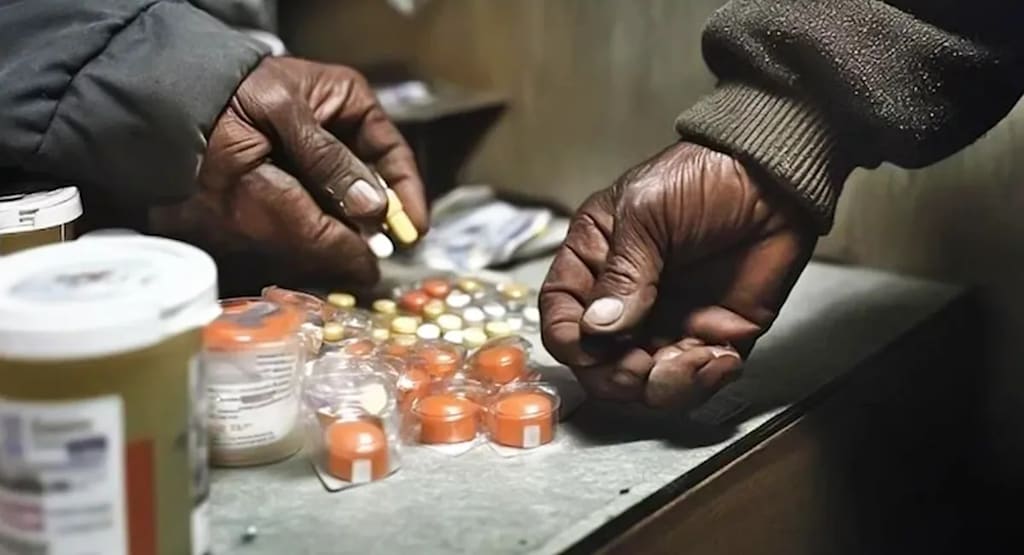
According to IMARC Group's latest research publication, West Africa generic drug market size reached USD 2.2 Billion in 2025. Looking forward, IMARC Group expects the market to reach USD 3.6 Billion by 2034, exhibiting a growth rate (CAGR) of 5.38% during 2026-2034.
How AI is Reshaping the Future of West Africa Generic Drug Market
- AI-driven drug discovery and development platforms are expediting the creation of more effective generic drugs, improving bioequivalence assessments and reducing costs.
- Governments across West Africa are adopting AI-powered healthcare schemes to improve drug distribution efficiency and monitor drug safety, enhancing patient outcomes.
- Pharmaceutical companies are leveraging AI analytics to optimize supply chain operations, ensuring steady availability of generic medications and reducing shortages.
West Africa Generic Drug Market Trends & Drivers:
The increasing prevalence of infectious diseases such as malaria, tuberculosis (TB), and acquired immune deficiency syndrome (AIDS), along with outbreaks of meningitis, polio, pandemic influenza, cholera, measles, hepatitis, tetanus, and yellow fever, is significantly driving the demand for generic drugs in West Africa. The escalation in disease burden compels governments and healthcare providers to seek cost-effective treatment options, substantially boosting generic drug consumption. This direct correlation between disease prevalence and drug demand underpins the robust growth observed in this market segment.
Governmental focus on healthcare investment to reduce mortality caused by the lack of essential drugs is a critical market driver. Various West African countries are channeling resources into healthcare infrastructure, drug procurement, and subsidization of generic medicines to improve accessibility and affordability. These initiatives mitigate drug shortages and improve public health outcomes, thereby encouraging increased adoption of generic drugs throughout the region. The strategic emphasis on healthcare funding reinforces the market's expansion trajectory.
The COVID-19 pandemic initially disrupted generic drug production due to lockdown restrictions, impairing supply chains and manufacturing activities. However, the reduction or lifting of such constraints is facilitating market recovery and growth. Enhanced regulatory compliance, adoption of advanced manufacturing techniques, and increased demand for affordable pharmaceuticals post-lockdown are rejuvenating the market dynamics. This rebound effect is helping stakeholders capitalize on emerging opportunities in the West African generic drug industry.
West Africa Generic Drug Industry Segmentation:
The report has segmented the market into the following categories:
Breakup by Segment:
- Unbranded Generics
- Branded Generics
Breakup by Therapy Area:
- Central Nervous System
- Cardiovascular
- Dermatology
- Genitourinary/Hormonal
- Respiratory
- Rheumatology
- Diabetes
- Oncology
- Others
Breakup by Drug Delivery:
- Oral
- Injectables
- Dermal/Topical
- Inhalers
Breakup by Distribution Channel:
- Retail Pharmacies
- Hospital Pharmacies
Breakup by Country:
- Nigeria
- Ghana
- Cote de Ivorie
- Cameroon
- Senegal
- Others
Competitive Landscape:
The competitive landscape of the industry has also been examined along with the profiles of the key players.
Recent News and Developments in West Africa Generic Drug Market
- October 2025: West African governments launched joint AI-enabled public health initiatives to enhance generic drug distribution, improving access to essential medicines by integrating advanced analytics in healthcare logistics.
- September 2025: A leading pharmaceutical company expanded its production facilities in Nigeria, investing in automation technologies to increase generic drug manufacturing capacity and meet the rising demand across the region.
- August 2025: Industry reports indicated notable growth in market penetration, driven by increased government subsidies and awareness campaigns promoting generic drug use among healthcare providers and patients.
Note: If you require specific details, data, or insights that are not currently included in the scope of this report, we are happy to accommodate your request. As part of our customization service, we will gather and provide the additional information you need, tailored to your specific requirements. Please let us know your exact needs, and we will ensure the report is updated accordingly to meet your expectations.
About the Creator
Fatimah
Market research writer at IMARC Group, turning data into engaging stories. Passionate about trends, insights & real-world impact. Join me on Vocal!
Enjoyed the story? Support the Creator.
Subscribe for free to receive all their stories in your feed.
Comments
There are no comments for this story
Be the first to respond and start the conversation.