
Visual AI Apps Compared: What Actually Works in 2026?
Which Visual AI Apps Actually Work in 2026?
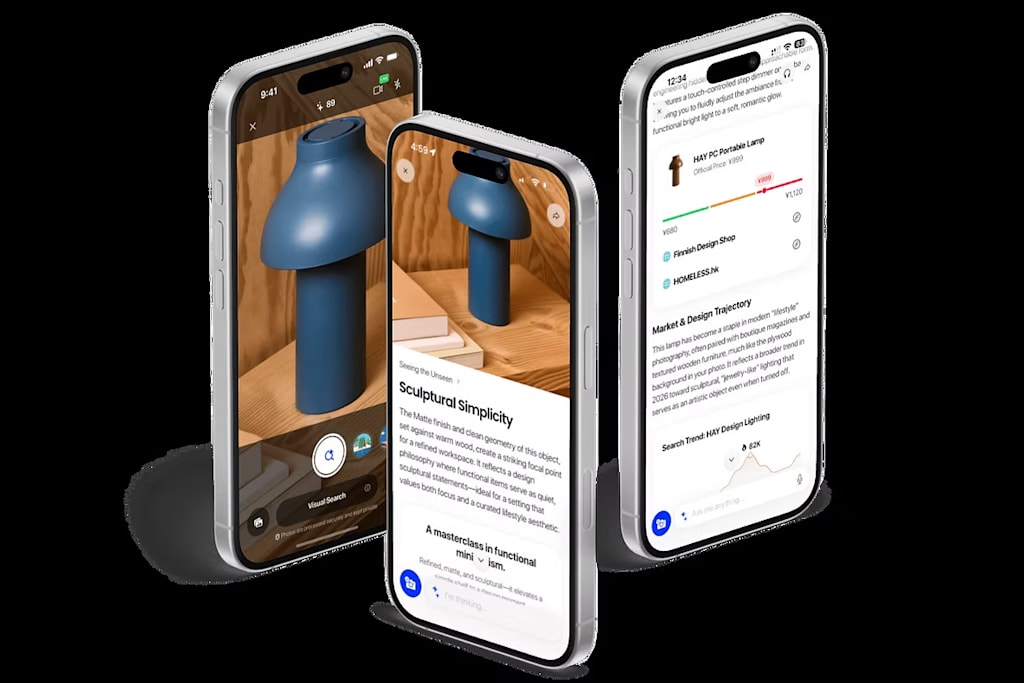
Visual AI is no longer a futuristic concept. It is already part of how people interact with the world around them. From identifying objects to understanding complex scenes, visual AI apps are changing how we search, learn, and make decisions. But with so many options available in 2026, one question keeps coming up: what actually works?
The answer is not as simple as picking the most popular app. Different tools are built for different purposes, and understanding those differences can save you a lot of time and frustration.
What People Expect from Visual AI Today
A few years ago, basic image recognition felt impressive. Now, expectations are much higher. People want more than just a label. They want meaningful answers.
When someone points their camera at something, they expect:
- Accurate identification
- Clear explanations
- Context that helps them act on the information
For example, identifying a plant is useful. Explaining whether it is safe, common, or valuable is far more helpful. This shift from recognition to understanding is what separates average apps from truly useful ones.
The Main Types of Visual AI Apps
Most visual AI tools today fall into a few clear categories.
1. Context-Aware Visual AI (Chance AI)
Tools like Chance AI focus on understanding what you are looking at, not just recognizing it. Instead of only matching images, they aim to explain objects with context.
This approach is useful when:
- You do not know what something is
- You need more than just a label
- You want quick, meaningful answers
It works well across categories like plants, products, tools, and unfamiliar objects, making it closer to a real-world assistant than a traditional search tool.
2. General Recognition Tools
Apps like Google Lens are designed for broad use. They can scan text, identify objects, and provide quick search results. These tools are fast and convenient, but they often rely on matching images rather than deeply understanding them.
They work best for common objects, landmarks, and simple queries.
3. Shopping Focused Tools
Platforms like Amazon visual search are built around buying decisions. You can scan a product and find similar items instantly.
This is useful if your goal is to purchase something. However, these tools are limited when you need explanations or non-commercial information.
4. Lifestyle and Inspiration Tools
Apps such as Pinterest Lens focus on aesthetics. They are great for fashion, home decor, and design inspiration.
The downside is that they prioritize visually similar content over accuracy or deeper understanding.
Where Most Apps Fall Short
Despite their strengths, many visual AI apps share the same limitations.
First, they often provide surface-level results. You might get a name or a list of similar images, but not much context.
Second, accuracy can drop when dealing with uncommon objects. If something is not widely recognized, results become inconsistent.
Third, they do not always understand user intent. Showing similar images is not the same as answering a question.
These gaps become obvious in real-world situations where clarity matters more than speed.
What Makes a Visual AI App Actually Useful
If you are trying to evaluate what works in 2026, a few factors stand out.
Context matters more than recognition. It is not enough to identify something. The app should explain what it is and why it matters.
Real-world usability is key. The tool should work in everyday situations, not just controlled environments.
Speed should not sacrifice clarity. Quick results are helpful, but only if they are accurate and meaningful.
Flexibility across categories is important. A strong app should handle a wide range of objects, from plants to products to random items.
Real-Life Scenarios Where Differences Matter
Consider a few everyday examples.
You see an unfamiliar gadget. A typical app might show similar products. A more advanced tool explains what it is and how it is used.
You come across a plant. One app labels it. Another tells you if it is common, useful, or something to avoid.
You notice an object online with no description. Instead of guessing keywords, you can directly understand what it is.
These small differences add up. They determine whether a tool is just interesting or genuinely helpful.
The Direction Visual AI Is Heading
Visual AI is moving toward deeper understanding. The goal is not just to recognize images but to interpret them in a way that feels natural to humans.
Future improvements will likely focus on:
- Better contextual awareness
- Higher accuracy for niche objects
- More conversational explanations
- Seamless integration into daily life
In short, visual AI is becoming less about search and more about interaction.
Final Thoughts
In 2026, visual AI apps are everywhere, but not all of them deliver the same value. Some are great for quick recognition. Others are useful for shopping or inspiration. But when it comes to real-world problem solving, the ability to provide clear and meaningful answers makes the biggest difference.
Tools like Google Lens still play an important role, especially for general use. At the same time, context-aware tools like Chance AI highlight where the technology is heading.
If your goal is simply to identify something, most apps will do the job. But if you want to truly understand what you are seeing, choosing the right type of tool makes all the difference.
About the Creator
Enjoyed the story? Support the Creator.
Subscribe for free to receive all their stories in your feed.
Comments
There are no comments for this story
Be the first to respond and start the conversation.