
Vinyl Record Market Analysis: Turntable Sales, Gen Z Interest & Forecast to 2034
How premium audio preferences, limited edition releases, and artist fan engagement are transforming the global vinyl record market outlook globally.

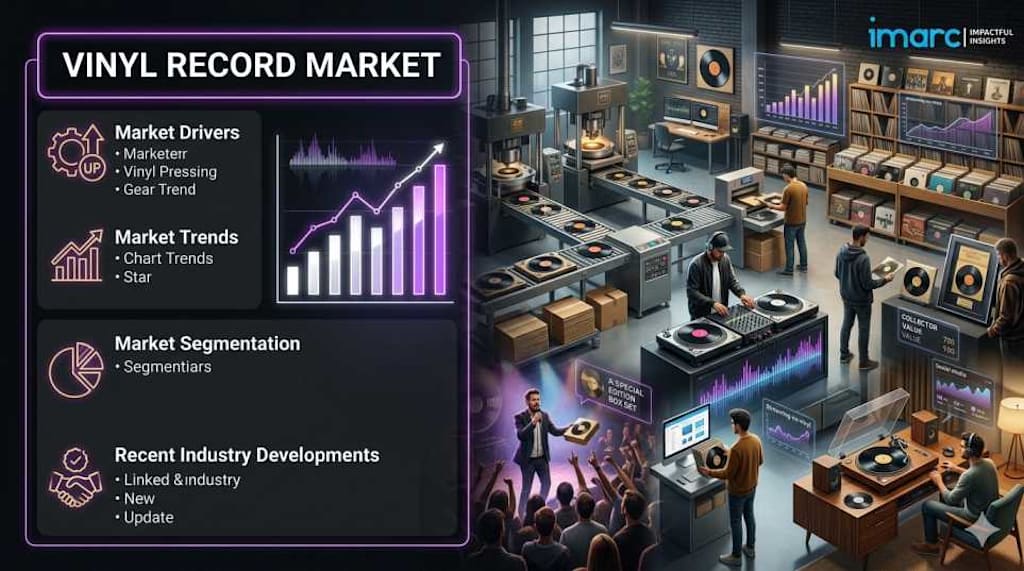
The global vinyl record market is experiencing steady growth, driven by rising nostalgia for analog sound, the increasing popularity of collectible music formats, and the tangible appeal of physical media. According to recent industry data, the market reached USD 2.1 Billion in 2025 and is expected to grow to USD 3.6 Billion by 2034, reflecting a CAGR of 6.5% between 2026 and 2034. Asia Pacific currently leads the market, accounting for the largest share in 2025, supported by the growth of independent music scenes and collector culture in the region.
Vinyl records have evolved beyond a retro trend into a multi-billion-dollar global industry. Their continued relevance is fueled by nostalgic consumer behavior, growing appreciation for analog audio quality, and the rising interest among younger audiences in tangible, collectible music formats. Independent record stores, limited-edition artist pressings, and record fairs are key contributors to both cultural and commercial demand. Major segments in the market include LP/EP records, singles, colored pressings, gatefold editions, and picture discs, with consumers prioritizing tactile experience, visual design, and exclusivity.
Key Market Drivers
1. Nostalgia and Cultural Revival
Vinyl records offer a tactile and immersive music experience that appeals to multiple generations. Older listeners revisit vinyl for its familiar warmth, while younger consumers, particularly those aged 26 to 35, are drawn to its vintage charm and analog sound quality. In the United States, the Recording Industry Association of America (RIAA) reported the sale of 43.2 million LPs and EPs in a recent year, marking consistent growth from less than one million units when the vinyl revival first began. Vinyl album sales in the U.S. have increased for 17 consecutive years, demonstrating that the format’s resurgence is sustained and culturally significant rather than a fleeting trend.
2. Advancements in Manufacturing
Improvements in vinyl pressing technology have enhanced sound quality, durability, and design options, attracting both audiophiles and casual listeners. Modern turntables and sound systems have further elevated the listening experience, while pressing plants have scaled production to meet rising demand. For instance, GZ Media aims to produce 140 million records annually, demonstrating how investment in manufacturing directly supports market expansion. Enhanced pressing capabilities have enabled record labels to experiment with special editions, colored vinyl, and picture discs, expanding the market beyond standard black records.
3. Growth of the Independent Music Scene
Independent artists and labels play a critical role in driving vinyl demand. Limited-edition pressings, exclusive releases, and artist-directed marketing strategies attract collectors and fans who value direct support for musicians. Vinyl sales in independent channels have grown rapidly, generating substantial revenue and reinforcing the format’s relevance. Record fairs, in-store events, and fan-driven initiatives have created a participatory culture that sustains both primary sales and secondary markets for collectors, making vinyl a culturally significant format.
Market Trends
1. Rise of Colored and Special Edition Pressings
Colored vinyl has emerged as a leading segment globally. Variants include transparent tints, splatter patterns, and vivid swirls, providing an aesthetic and artistic dimension that standard black vinyl cannot replicate. Record labels often release colored or picture discs as limited or exclusive editions, creating urgency among collectors. These editions are marketed not only as listening formats but also as display items, broadening their appeal to lifestyle-oriented consumers.
2. Omnichannel Retail Expansion
Vinyl records are increasingly available through multiple retail channels. Traditionally sold in specialist independent stores, they are now offered through supermarkets, hypermarkets, online platforms, and direct-to-consumer artist storefronts. This omnichannel approach has expanded the customer base, reaching casual buyers, gift purchasers, and collectors alike. Independent record stores remain critical for curated selections and community engagement, while mainstream retailers are enhancing visibility through dedicated vinyl sections and seasonal promotions.
3. Artist-Led Demand and Marketing
Contemporary musicians and labels continue to amplify vinyl’s cultural relevance. Many artists now release vinyl in parallel with digital formats, offering collector-focused editions with enhanced packaging, remastered audio, and exclusive artwork. Classic album reissues attract both long-term collectors and new fans, while artist-led promotions strengthen vinyl’s identity as a premium, intentional music format, not just a nostalgic product.
Recent Developments
March 2026: GZ Media announced plans to expand its Nashville facility, targeting increased production to meet growing North American demand from both major labels and independent artists.
October 2025: Pallas Group invested in its Sydney facility, enhancing pressing capacity to serve Asia Pacific markets, where collector culture is driving regional growth.
April 2025: European retail data revealed vinyl outselling CDs in several markets, prompting supermarkets and department stores to expand vinyl-specific shelf space and curated collections.
January 2024: Multiple independent labels in the U.S. and U.K. prioritized vinyl-first release strategies for select new artists, emphasizing physical exclusivity and partnerships with independent retailers.
Conclusion
The vinyl record market is positioned for steady, long-term growth as nostalgia, collector culture, and the appeal of analog sound continue to drive demand. Advancements in manufacturing, the rise of independent music, and the introduction of colored and special edition pressings are expanding both cultural relevance and commercial opportunity. Omnichannel retail strategies and artist-driven releases further reinforce vinyl’s popularity among diverse audiences.
With consumers valuing the tangible, aesthetic, and collectible qualities of vinyl records, the market demonstrates resilience and continued potential for expansion across regions and demographics. Industry stakeholders are responding with innovative offerings, enhanced production capacity, and strategic retail approaches to meet evolving consumer expectations.
Note:
This article provides an overview of the vinyl record market, highlighting growth drivers, trends, and recent developments. Additional research or localized insights may be required for investment evaluation or business planning. Customized data and detailed analysis can be provided upon request.
About the Creator
Suhaira Yusuf
I specialize in Consumer Insights, focusing on transforming detailed market data into strategic business solutions that accelerate growth and improve customer engagement.
Enjoyed the story? Support the Creator.
Subscribe for free to receive all their stories in your feed.
Comments
There are no comments for this story
Be the first to respond and start the conversation.