
Veterinary Biopsy Needles: The Small Tool Behind Better Cancer Care
As veterinary oncology matures, biopsy technology is quietly enabling better diagnoses across species.

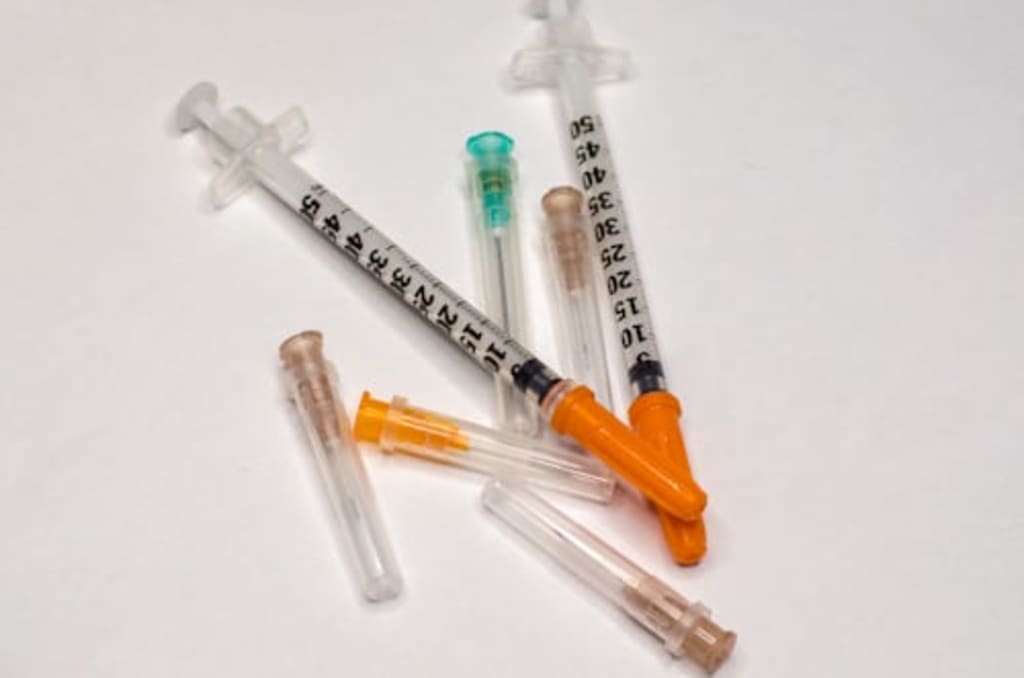
The Diagnostic Tool That's Quietly Transforming How Vets Treat Cancer
Cancer is the leading cause of death in dogs over the age of ten. It affects roughly one in four dogs at some point in their lives. Yet for much of veterinary medicine's history, a definitive cancer diagnosis required either surgery or a level of diagnostic uncertainty that most pet owners and their vets learned to live with. Biopsy needles — the prosaic, unglamorous instruments that make tissue sampling possible without opening a patient on an operating table — are changing that calculus in ways that ripple through every aspect of veterinary oncology.
The veterinary biopsy needle sector is more technically varied and commercially active than its modest profile suggests, and a detailed overview of its growth trajectory is available in this veterinary diagnostic instrumentation and biopsy market report. Understanding it requires understanding what has changed in how veterinary medicine thinks about diagnosis.
From "Wait and See" to Tissue Confirmation
The old approach to a suspicious mass in veterinary practice was often pragmatic in a frustrating way: monitor it, consider the cost of surgery, make a judgment call based on clinical appearance. Fine needle aspirates — using a syringe to extract cells rather than a core tissue sample — provided some diagnostic information but couldn't always distinguish between tumor types or provide the histological detail needed to guide treatment decisions.
Core biopsy needles changed this. Devices like the Tru-Cut style semi-automatic needle allow veterinary clinicians to extract a cylindrical tissue core from almost any accessible mass with minimal anesthesia requirements and reliable diagnostic yields. When guided by ultrasound — which has become standard in referral practices and increasingly common in general practice — these needles can reach targets that would previously have required exploratory surgery to access.
The Ultrasound Connection Is Key
Veterinary ultrasound adoption has been accelerating for two decades. The technology's falling cost curve has brought portable, high-quality machines into general practice settings that would previously have had to refer all imaging cases to specialists. That matters for the biopsy needle market because image guidance transforms a technically demanding freehand procedure into something approaching a systematic one.
Liver biopsies in cats, splenic sampling in dogs with suspected lymphoma, renal mass characterization — these procedures have moved from specialist-only territory into the range of technically competent general practitioners willing to invest in training. Colorado State University's veterinary teaching hospital, one of the premier veterinary oncology centers in North America, has documented substantially improved diagnostic accuracy for ultrasound-guided core biopsies compared to cytology alone across multiple tissue types.
What the Market Actually Looks Like
The veterinary biopsy needles market sits at an interesting intersection of human medical device supply chains and specialized veterinary applications. Many devices used in veterinary practice are adapted from human medicine — the engineering challenges of needle gauge, core notch geometry, and spring-loaded firing mechanisms are not fundamentally different between species. This means veterinary practitioners often have access to technically sophisticated devices at price points shaped by the much larger human diagnostic market.
Specialized veterinary versions exist, sized and calibrated for the anatomical realities of smaller patients like cats and exotic animals. The exotic animal segment — including zoological institutions that need tissue diagnostics for species where surgical biopsy is logistically complex or medically inadvisable — represents a niche but interesting growth area for manufacturers.
The Training Gap and What It Means
Expanding access to biopsy capability runs into a consistent limiting factor: training. The device itself is relatively affordable. The skill to use it safely and effectively — to recognize appropriate targets, to avoid vascular structures, to obtain diagnostic samples without causing complications — requires hands-on development. Veterinary schools are beginning to incorporate simulation-based procedural training into curricula, but the current cohort of practicing veterinarians learned these techniques, if at all, through apprenticeship and trial.
That training gap is both a constraint on market growth and an opportunity. Companies and continuing education providers that can credibly accelerate skill acquisition are filling a real need. The instrument is only as useful as the clinician wielding it, and right now, there are more good needles than there are veterinarians fully confident in using them.
About the Creator
Marvin M. Gibsonv
Marketing enthusiast and Digital Marketing Executive sharing practical tips on SEO, content creation, social media marketing, and online growth. Learn, grow, and stay ahead of digital trends.
Enjoyed the story? Support the Creator.
Subscribe for free to receive all their stories in your feed.
Comments
There are no comments for this story
Be the first to respond and start the conversation.