
United States Virtual Reality Gaming Market: A New Dimension of Entertainment Is Rising
The United States Virtual Reality Gaming Market is experiencing rapid growth, driven by rising demand for immersive gaming experiences and advancements in VR technology.

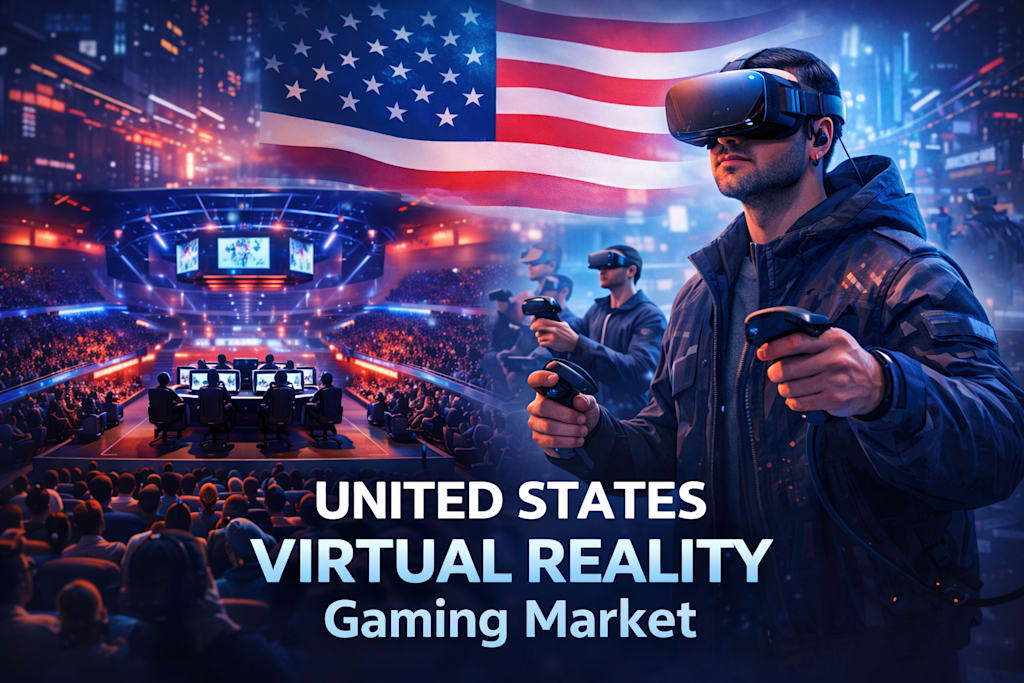
The way we play games is changing faster than ever․ Games now go beyond screens and controllers‚ extending into engaging digital worlds that draw in more and more players․ The United States Virtual Reality Gaming Market is at the helm of this transformation‚ influencing the future of entertainment‚ interaction‚ and experiences in an engaging digital world․
VR gaming‚ according to IMARC Group‚ was worth USD 15․5 Billion in 2025 and is projected to grow at a CAGR of 19․40% during the forecast period (2026-2034) to reach USD 76․5 Billion by 2034‚ which means that the segment is no longer experimental and is becoming mainstream․
Gaming That Feels Real: The Rise of Virtual Reality
Game play used to be about buttons and controllers‚ screens and imagination․ Virtual reality takes game play out of the box․
Instead of watching a game‚ in VR‚ players feel as if they are actually in the game‚ using VR headsets‚ motion sensors‚ and spatial audio․ Players can fight futuristic war-style battles‚ explore fantasy worlds or race through the streets of a city․
This is seen particularly in the United States‚ which has one of the largest gamer populations in the world and whose consumers generally embrace technology that improves their entertainment experience․
Why the U․S․ VR Gaming Market Is Growing So Fast
This growth is driven by several factors:
1․ Demand for Engaging Entertainment
Today's gamers are looking for experiences․ VR offers an emotional connection‚ realism‚ and interactivity that other media can't touch․
2․ Rapid Technological Innovation
VR gaming has become faster‚ smoother and more realistic with the improvements of 5G connectivity‚ artificial intelligence‚ cloud computing and motion tracking․
Low latency and graphical improvements have solved many early technical issues‚ making VR more accessible to the average consumer․
3․ Affordable VR Hardware
As the price of headsets and accessories decreases‚ and companies compete to make lighter‚ better-performing devices‚ VR has moved out of gaming communities and into the home․
4․ Social and Multiplayer Virtual Reality
Where once most games were singular experiences‚ VR platforms allow players to interact‚ converse and have fun in a shared presence that feels closer to life than ever before․
Beyond the Living Room: The Rise of VR Gaming Spaces
One of the most meaningful developments in the U․S․ VR game market has been the growth of location-based entertainment․
As more VR arcades and engaging gaming venues open in larger cities‚ players have more access to high end equipment without ownership‚ and venues can provide multiplayer spaces‚ more advanced motion systems and full body experiences that would be difficult to replicate at home․
This makes VR more accessible to average gamers and those using VR for the first time․
United States Virtual Reality Gaming Market Segmentation Snapshot
The US VR gaming market can be generally divided into:
- Hardware: Headsets‚ controllers‚ and motion tracking․
- Software: VR games‚ platforms‚ and applications
- Best played on PC‚ console‚ or mobile VR․
- Game Types: Action‚ adventure‚ racing‚ shooting games‚ and simulation & puzzle
This includes hardware and software‚ though mobile-based virtual reality gaming is becoming more common due to its ease of access․
Emerging trends influencing the future
The VR gaming market is fast moving‚ and several trends are expected to be meaningful:
- Integration of metaverse environments
- Using haptic feedback suits to provide physical sensations
- Growth of cross-platform VR ecosystems
- Rise of AI powered adaptive gameplay
- Increased interest in real-world simulation gaming․
These improvements are also being applied to expand the application of VR beyond gaming into training‚ education‚ fitness‚ and socializing․
Challenges Facing the Industry
Despite this growth‚ the VR gaming market still encounters difficulties:
- Initial expense of advanced VR systems
- Some users experience motion sickness
- Needing more high quality game content․
- Hardware limits of stand-alone devices
There are however new innovations to address this․
The Road Ahead
The United States VR gaming market is likely to grow rapidly in the coming years‚ and with continued growth and development‚ VR gaming is likely to soon become an essential part of a typical American household's digital entertainment experience․
By 2034‚ in-vehicle VR gaming will be as common as console and mobile games are today‚ with physical and digital spaces blending together․
What started out as a science fiction fantasy has evolved into an everyday reality for millions․
Final Thoughts
Virtual reality gaming is not just changing the way people play games․ It is changing the way people experience stories․ The way people experience competition․ The way people connect with each other․ The United States is but beginning․
About the Creator
michael matthew
I’m a market researcher passionate about understanding people, markets, and motivations. My work blends data analysis, consumer psychology, and strategic insight to help brands and businesses make informed, human-centered decisions.
Enjoyed the story? Support the Creator.
Subscribe for free to receive all their stories in your feed.
Comments
There are no comments for this story
Be the first to respond and start the conversation.