
United States Veterinary Imaging Market: Why Advanced Diagnostics Are Transforming Animal Healthcare
The United States veterinary imaging market is expanding as rising pet ownership, advanced diagnostic technologies, and growing awareness of animal health drive demand.

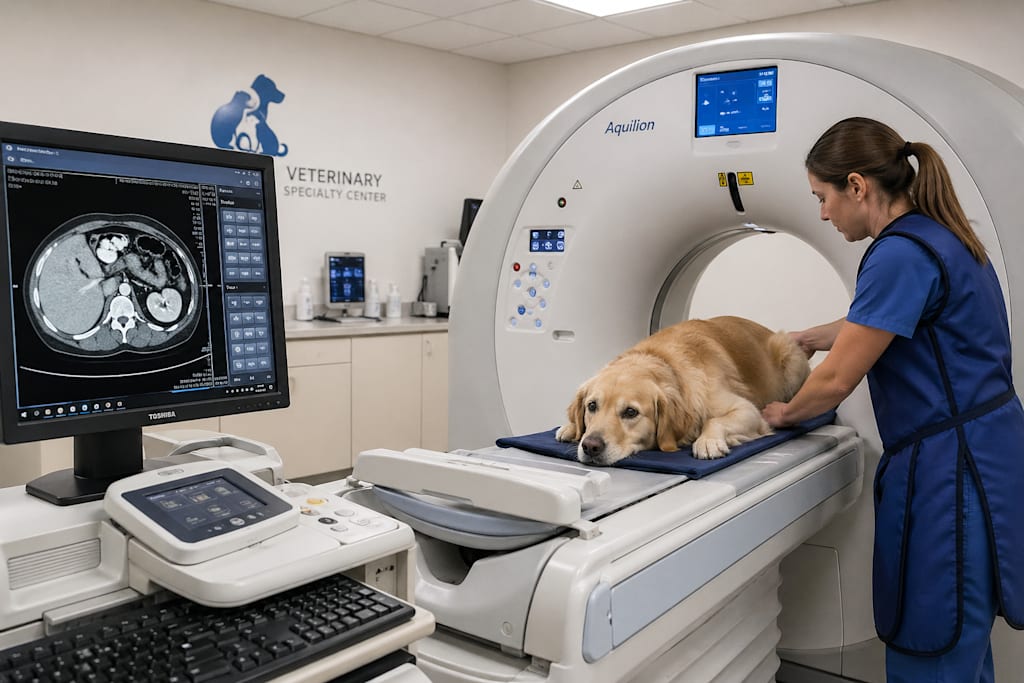
Veterinary medicine in the United States is no longer limited to physical exams and treatments; pet owners and farmers want more diagnostic tests and equipment for early diagnostic information‚ monitoring‚ and treatment of conditions․ Of these tools‚ veterinary imaging is one of the most important components of modern animal healthcare․
The IMARC Group estimated that the US veterinary imaging market was worth USD 524․2 million in 2025‚ and is projected to reach USD 877․4 million by 2034 at a CAGR of 5․71% from 2026 to 2034․
The major factor contributing to the growth is the rise in the number of pet owners and the rising trend of treating pets as family members․ The increasing healthcare expenditure of the pets is also expected to increase the demand for early and accurate diagnosis of the diseases in the coming years․ This is especially true of companion animals such as dogs and cats‚ where owners will spend considerable sums on high-quality medical care․
Non-intrusive techniques for diagnosis are another meaningful trend․ Veterinary imaging technologies such as X-ray‚ ultrasound‚ computed tomography (CT)‚ magnetic resonance imaging‚ and nuclear imaging techniques allow a condition to be diagnosed without performing a surgical procedure․ Veterinarians use these tools to assess injury‚ monitor chronic diseases‚ and to make decisions about the best course of treatment․
Increase in prevalence of chronic and age-related diseases including cardiovascular diseases‚ cancer‚ and orthopedic diseases among animals is one of the major factors anticipated to drive the growth of the veterinary diagnostics market during the forecast period․ Rise in longevity of animals owing to improved nutrition and healthcare increases the need for diagnostic monitoring․ However‚ imaging technologies have made the detection of these conditions easier‚ helping to improve the quality of life of animals․
Other advancements in technology‚ including advances in imaging systems‚ artificial intelligence‚ and image resolution‚ are also likely to have an important impact on diagnosis and efficiency․ In particular‚ advances in imaging systems‚ allowing for rapid acquisition‚ better resolution‚ and better interpretation of images‚ are providing veterinarians with tools to make faster and more accurate diagnoses‚ and are enabling new research and clinical applications․
Another driver for the imaging technologies market is the "One Health" concept‚ which recognizes the interconnection between human health‚ animal health‚ and environmental health․ As the prevalence of zoonotic diseases increases‚ the monitoring of animal health becomes more relevant‚ and imaging technologies are often used for this purpose․ However‚ a wider view is pushing investments in veterinary infrastructures and diagnostics․
The global market can be fragmented based on instruments‚ reagents‚ and other consumables․ Instruments such as imaging systems dominate the market․ The market can also be segmented based on small companion animals and large animals․ The major applications are orthopedics‚ oncology‚ cardiology‚ and neurology‚ while the major end users are veterinary hospitals‚ veterinarians' clinics‚ and veterinary reference laboratories which had already adopted imaging technologies․
The number of veterinary hospitals‚ specialty and referral clinics that are being equipped with advanced imaging systems is also increasing‚ meaning that high quality diagnostic imaging services are becoming more widely available to the veterinary profession and pet owners․ This expansion is increasingly improving access to advanced veterinary healthcare in urban and developed settings․
The United States veterinary imaging market is driven by pre-emptive diagnosis‚ accurate treatment and non-intrusive procedures which have been noted in overall human healthcare market and human medical imaging market․ Veterinary imaging helps to better outcomes without increased patient risk and recovery time which further increases its demand in the market․
In the future‚ the industry is expected to benefit from advances in technology‚ the rising popularity of pets and increased understanding of animal health․ With advances in veterinary medicine becoming more data driven and advanced‚ imaging modalities are expected to play a key role in promoting animal health care․
About the Creator
michael matthew
I’m a market researcher passionate about understanding people, markets, and motivations. My work blends data analysis, consumer psychology, and strategic insight to help brands and businesses make informed, human-centered decisions.
Enjoyed the story? Support the Creator.
Subscribe for free to receive all their stories in your feed.
Comments
There are no comments for this story
Be the first to respond and start the conversation.