
United States Rechargeable Battery Market to Reach USD 66.72 Billion by 2034 Amid EV and Energy Storage Boom
The United States rechargeable battery market is expanding rapidly as electric vehicle adoption, renewable energy storage projects, and advancements in lithium-ion technologies drive long-term industry growth.

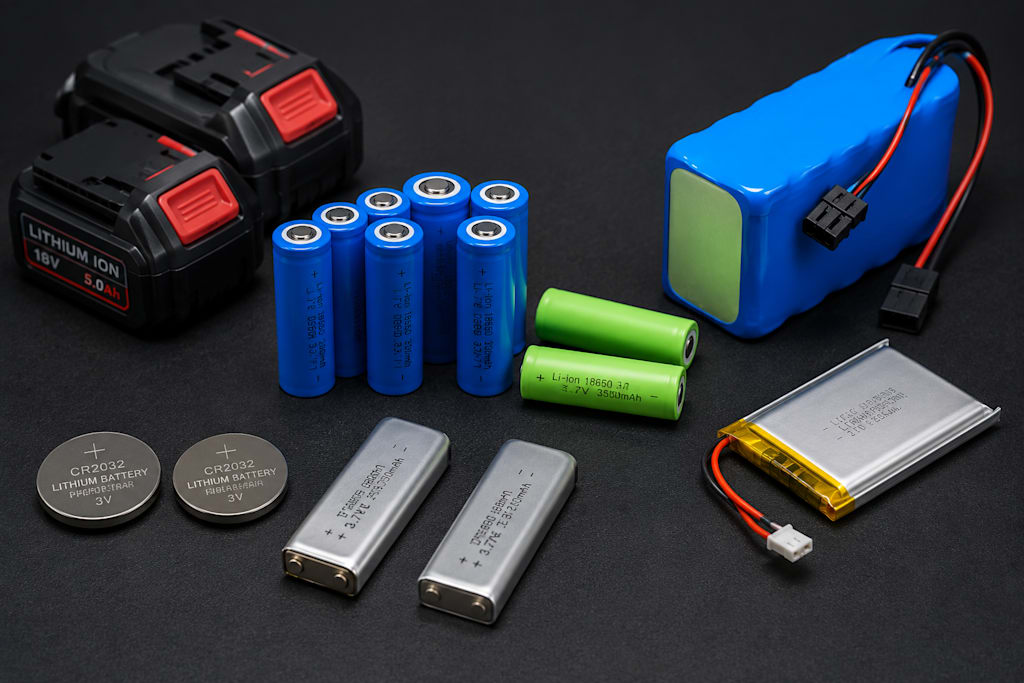
The accelerating electrification of transport, the ongoing deployment of renewable energy systems, and a burgeoning demand for mobile electronics are fueling a dramatic expansion of the rechargeable battery market in the United States. With a growing number of industries and consumers opting for clean energy solutions, rechargeable batteries have evolved into an indispensable element supporting the country's shift toward a greener, more energy-efficient future.
According to IMARC Group, the market size for rechargeable batteries in the United States was valued at USD 35.40 billion in 2025, and it is predicted to grow to USD 66.72 billion by 2034, at a CAGR of 7.30% during 2026-2034.
A primary contributor to this market growth is the rapidly increasing adoption of electric vehicles (EVs) throughout the United States. Growing government incentives, expanding charging networks, and a rise in consumer awareness regarding sustainable mobility are providing significant impetus to the demand for advanced rechargeable battery technologies. Applications for automobiles accounted for the largest market share in 2025, holding a substantial 35% of the market, a testament to the sector's growing reliance on sophisticated battery systems.
Another significant factor contributing to the market's expansion is the booming expansion of grid-scale energy storage systems. In tandem with the increased deployment of renewable energy sources like solar and wind power, utility companies are increasingly investing in battery storage technologies to enhance grid stability, manage peak electricity demand, and ensure a consistent power supply.
A dominant trend within the market is the continued prevalence of lithium-ion batteries, which captured a 60% market share in 2025. These batteries' excellent energy density, extended lifespan, rapid charging capabilities, and decreasing production costs have made them the preferred choice for electric vehicles, energy storage systems, and consumer electronics alike.
The escalating use of rechargeable batteries in consumer electronics is also driving market growth. Smartphones, laptops, tablets, wearable devices, and cordless tools continue to fuel the demand for compact, efficient, and long-lasting battery solutions. The 1300-2700 mAh capacity segment secured the largest market share in 2025, driven by its ubiquitous use in portable electronic gadgets.
Categorically, the market is segmented into battery types: Li-ion batteries, lead-acid batteries, NiMH batteries, NiCd batteries, and others. Lithium-ion technology remains the market leader, fueled by continuous advancements in battery chemistry and manufacturing.
Based on application, the market encompasses consumer electronics, industrial applications, automobile applications, defense, and others, with automotive applications dominating due to the accelerated electrification of vehicles across the nation.
Geographically, the Southern United States commanded the largest market share in 2025, accounting for 35% of the total market. States like Georgia, Tennessee, Kentucky, and North Carolina are witnessing substantial investments in battery manufacturing facilities and supply chain infrastructure, solidifying the region's position as a key hub for battery production.
The emphasis on domestic battery production and supply chain localization is another emerging trend in the industry. Federal incentives and private sector investments are spurring the expansion of manufacturing capacity, reducing dependence on foreign components and bolstering energy security.
Ongoing advancements in next-generation battery technologies are also contributing to market growth. Improvements in energy density, charging speed, safety performance, and nascent research in solid-state batteries are poised to open new avenues of opportunity in automotive, industrial, and energy storage applications.
However, challenges such as raw material scarcity, high manufacturing costs, intense global competition, and the need for workforce development are expected to impact market expansion. Addressing these challenges will be critical to ensuring long-term competitiveness and supply chain resilience.
The dynamic nature of the United States rechargeable battery market is inextricably linked to its pivotal role in enabling electrification, integrating renewable energy sources, and fostering technological innovation. As industries increasingly embrace battery-powered solutions, rechargeable batteries are emerging as a foundational pillar supporting the nation's clean energy transition.
In the years ahead, the market is projected to experience sustained growth, driven by the continued adoption of EVs, the expanded deployment of renewable energy storage systems, government incentives for manufacturing, and ongoing technological advancements in battery performance and sustainability. These factors are expected to generate significant growth opportunities throughout the forecast period.
About the Creator
michael matthew
I’m a market researcher passionate about understanding people, markets, and motivations. My work blends data analysis, consumer psychology, and strategic insight to help brands and businesses make informed, human-centered decisions.
Enjoyed the story? Support the Creator.
Subscribe for free to receive all their stories in your feed.
Comments
There are no comments for this story
Be the first to respond and start the conversation.