
United States Cellulose Acetate Market: The Quiet Rise of a Sustainable Plastic Alternative
From fashion and eyewear to medical devices, this plant-based material is reshaping how industries think about plastic

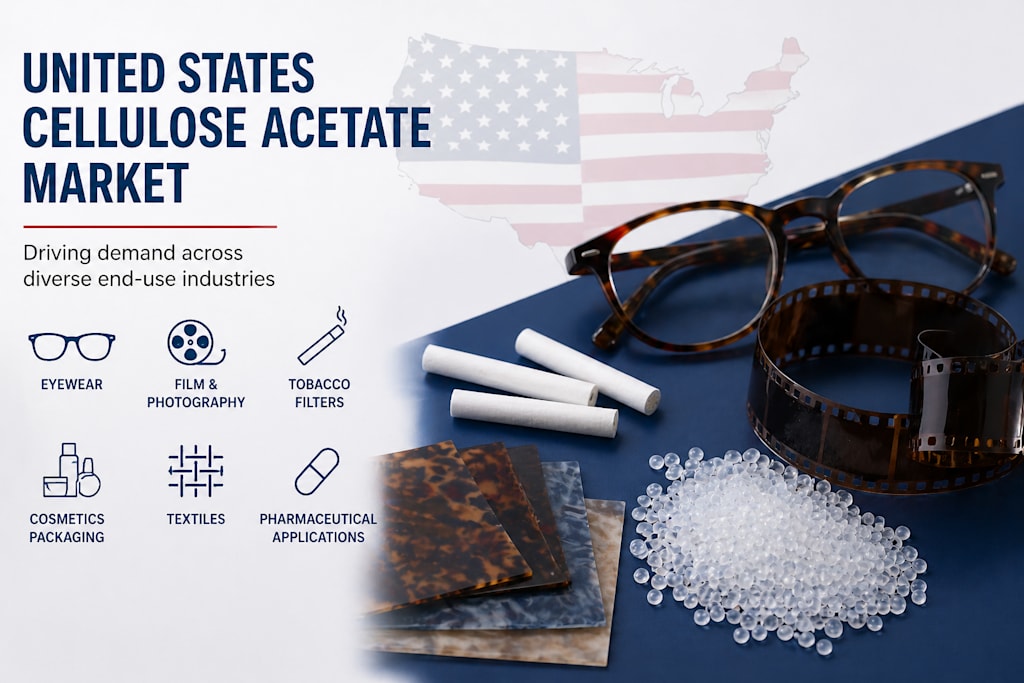
Think about the things you use every day․
Your sunglasses․ A piece of clothing with silky luster․ Even something as small as a cigarette filter or a medical device․
Chances are‚ many of these contain a material you've probably never heard of: cellulose acetate․
It's not glamorous‚ and it often doesn't get any attention․ But throughout the United States‚ this plant-based material is quietly and surely becoming a popular part of sustainability efforts․
A Material Born from Nature
Unlike most plastics‚ cellulose acetate is produced from a natural raw material‚ wood pulp․
That alone makes it different․
As the world continues to search for ways to decrease its reliance on petroleum-derived products‚ there has been a growing focus on materials derived from renewable resources such as cellulose acetate․
It is plant-based but resembles plastic․
The Market Was Steadily Growing Behind the Scenes
Although of little interest in its home market in the United States‚ the cellulose acetate market is growing steadily․
It was predicted in 2025‚ it would be worth approximately USD 1․8 billion‚ and by 2034‚ its price would grow to approximately USD 2․8 billion at a moderate pace․
This isn't explosive growth; it's something more sustainable․
And that stability often signals long-term relevance․
Why This Material Is Gaining Attention
1․ The Push for Sustainable Alternatives
At the same time‚ due to concerns about plastic pollution‚ the industries are considering alternatives to plastic products․
Cellulose acetate is biodegradable in certain environments‚ and is derived from renewable resources‚ making it an attractive option․
2․ Changing Consumer Preferences
These days‚ consumers care about what is in the products they're buying․
From clothing to packaging‚ in order to meet the needs of consumers with a focus on sustainability‚ brands are turning to bio-based materials like cellulose acetate․
3․ Tightening Government Regulations
In the United States‚ there are increasingly more regulations and limitations on single-use plastics and environmental impact․
Such policies have led companies to consider alternatives‚ including cellulose acetate‚ as a replacement․
4․ Advancements in Manufacturing
New technology is making cellulose acetate cheaper and more efficient to manufacture․
These processes and improvements to recycling technologies are also allowing for wider industrial adoption․
Source of Cellulose Acetate
One of the most interesting things about this stuff is how flexible it can be․
- But it also pops up in the most unlikely places․
- Cigarette filters (still the largest application)
- Textiles‚ especially those made of silk-like fabrics
- Frames‚ combining strength and aesthetics․
- Packaging films and coatings
- Medical devices‚ with its non-toxic properties․
Because of its combination of strength‚ flexibility and sustainability‚ the material has been used in a variety of industries․
The Changing Styles and Designs
The U․S․ fashion industry has been slower to embrace these approaches․
Instead‚ more designers have used materials that are as luxurious in texture and appearance‚ but with a smaller footprint․
The use of cellulose acetate fibers as a silk substitute is more common now due to performance and environmental factors․
It's a rare combination‚ and one that cannot be ignored․
- The Challenges Nobody Ever Talks About
- However‚ cellulose acetate does have its disadvantages․
- However‚ production comes with high costs․
- Raw material prices can fluctuate․
- It competes with other bio-based and synthetic materials․
- Demand from customary markets‚ including cigarette filters‚ is declining․
However‚ these challenges have affected the market with companies now innovating and diversifying their products․
A Role in the Bigger Sustainability Picture
What makes cellulose acetate really interesting is that it fits into a larger story․
The U․S․ also needs to create a system of alternatives that are compatible with one another․
It uses bioplastics‚ recycled materials‚ and plastics made from plants․
Cellulose acetate‚ in particular‚ is readily available‚ adaptable‚ and somewhat well-known to plastic materials manufacturers․
Looking Ahead: Quiet Growth‚ Big Impact
The cellulose acetate market in the United States is not expected to be disrupted․
- It’s about steady integration․
As industries attempt to produce more sustainable alternatives‚ cellulose acetate will likely remain hidden in the background to most people within everyday products․
- And maybe that's the point․
The best innovations are not those that shout "look at me" most but are the ones that fit and flow․
Final Thoughts
You may never have consciously thought of cellulose acetate․
But it is already an indispensable part of your life and its importance is growing․
In a world where people are searching for innovative‚ sustainable solutions‚ let this unassuming plant-based polymer be a reminder that sometimes an underdog can pack a punch․
About the Creator
michael matthew
I’m a market researcher passionate about understanding people, markets, and motivations. My work blends data analysis, consumer psychology, and strategic insight to help brands and businesses make informed, human-centered decisions.
Enjoyed the story? Support the Creator.
Subscribe for free to receive all their stories in your feed.
Comments
There are no comments for this story
Be the first to respond and start the conversation.