
United States Bioplastics Market: How Sustainable Materials Are Redefining the Future of Plastic
From eco-conscious consumers to strict regulations, here’s why bioplastics are rapidly transforming industries across the U.S.

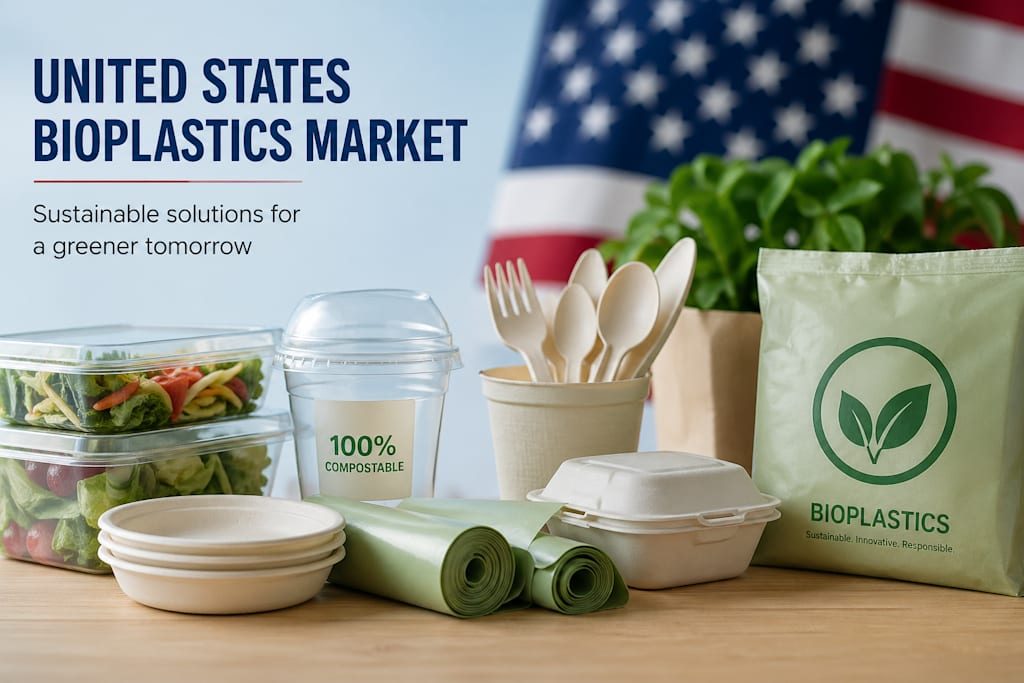
Look at the world around you․
The coffee cup in your hand‚ the packaging that your most recent online order came in‚ the container for your lunch: Plastic is everywhere․ For decades‚ it has been one of the most convenient materials humans have ever created․
And one of the most problematic․
Now‚ across the United States‚ something quietly is starting to change․ A new kind of material is coming to the rescue․ Not to replace plastic‚ but to rethink it․
It’s called bioplastics․
A Problem Too Big to Ignore
The trouble is that‚ while they're cheap‚ tough and incredibly versatile‚ plastics don't biodegrade so they build up in the environment and pollute it for centuries․
Landfills are piling up‚ with millions more ending up in the oceans‚ and consumers have become more aware of its impact․
This is exactly what has driven the growth of the United States bioplastics business․
A Market on the Verge of Transformation
Originally a niche concept‚ it is rapidly becoming a major industry․
The U․S․ bioplastics market was valued at around USD 4․4 billion in 2025‚ and Future Market Insights predicts that it will grow at a rapid CAGR of 17+% to USD 19․1 billion by 2034․
That kind of growth reflects not just business opportunity‚ but a change in the prevailing mindset․
Consumers have shifted focus from products to responsible products․
So‚ What Exactly Are Bioplastics?
Bioplastics are made from renewable sources‚ such as corn‚ sugarcane‚ other agricultural residues‚ or algae․
Some bio-based plastics are also biodegradable‚ so that they can be broken down into natural materials‚ whereas others have the same permanence as existing materials but a lower environmental impact․
In brief‚ they want to offer the benefits of plastic without the long-term pitfalls․
Why the Shift Is Happening Now
1․ Consumers Are Driving Change
Today‚ consumers care more about and are more likely to buy brands that are aligned with their values both in-store and online․
Companies are responding by turning to sustainable packaging‚ with bioplastics at the center of this shift․
2․ Regulation From The Government
Regulations on single-use plastic have become stronger at a national level․
Other states‚ including California‚ are also mandating recyclable and compostable products‚ creating a business incentive for transition to bioplastics․
3․ Technology Is Catching Up
The performance of early bioplastics became one of the most common criticisms․
Though not yet as strong‚ thermally stable‚ or inexpensive as regular plastics‚ this may change․
- Improvements to materials like polylactic acid (PLA) and
- polyhydroxyalkanoates (PHA)‚ amongst others‚ have improved the
- durability and commercial viability of bioplastics․
4․ Businesses See Competitive Advantage
Now‚ however‚ sustainability is more than an ethical issue‚ it's also a brand․
Sustainable materials allow companies to build brand trust‚ distinguish themselves in a crowded marketplace‚ and prepare for the future․
Where Bioplastics Are Making the Biggest Impact
One of the most stunning things about bioplastics is how much they are being used․
- Packaging: The main area of application is packaging‚ especially in flexible and rigid containers․
- Agriculture: Biodegradable mulch films and plant pots that decompose naturally
- Consumer goods: such as cutlery‚ cases for electronic goods‚ and containers
- Textiles: Sustainable fibers for clothing and home products
- Automotive: lightweight‚ eco-friendly componentry․
The overwhelming majority in this category is packaging‚ which is also the plastic waste that is most easily visible․
Not all bioplastics are the same
Not all bioplastics are biodegradable‚ contrary to popular belief․
They’re not․
Some are designed to biodegrade‚ while others are more resilient but derived from renewable sources․ Both types have different uses․
The diversity is‚ in fact‚ the strength of the market‚ as bioplastics can be used for many applications in various industries․
Challenges Still on the Table
Even with the momentum‚ the transition is not smooth․
Bioplastics can still be more expensive than plastic‚ and composting and recycling systems are not fully developed everywhere․ An active debate exists about sourcing raw materials․
These are challenges that need to be faced‚ however․
Looking Ahead: A Different Kind of Plastic Economy
The solution to plastics in the United States is not to eliminate them‚ but to transform them․
Bioplastics are leading this change․
As technology improves and costs decrease‚ along with regulatory pressures‚ these materials are expected to move to the mainstream․
And when that happens‚ the plastic you use every day may look the same‚ but it won't act the same in the environment․
Final Thoughts
Plastic has‚ in many ways‚ changed the modern world․
Today‚ the United States is remaking plastic itself․
Bioplastics represent not just a new material but a new era where convenience and sustainability do not have to be at odds․
And if current trends continue‚ this quiet revolution may well completely transform the future of manufacturing‚ packaging‚ and everyday life․
About the Creator
michael matthew
I’m a market researcher passionate about understanding people, markets, and motivations. My work blends data analysis, consumer psychology, and strategic insight to help brands and businesses make informed, human-centered decisions.
Enjoyed the story? Support the Creator.
Subscribe for free to receive all their stories in your feed.
Comments
There are no comments for this story
Be the first to respond and start the conversation.