
Understanding the Process of Building a Modern Website
Tech

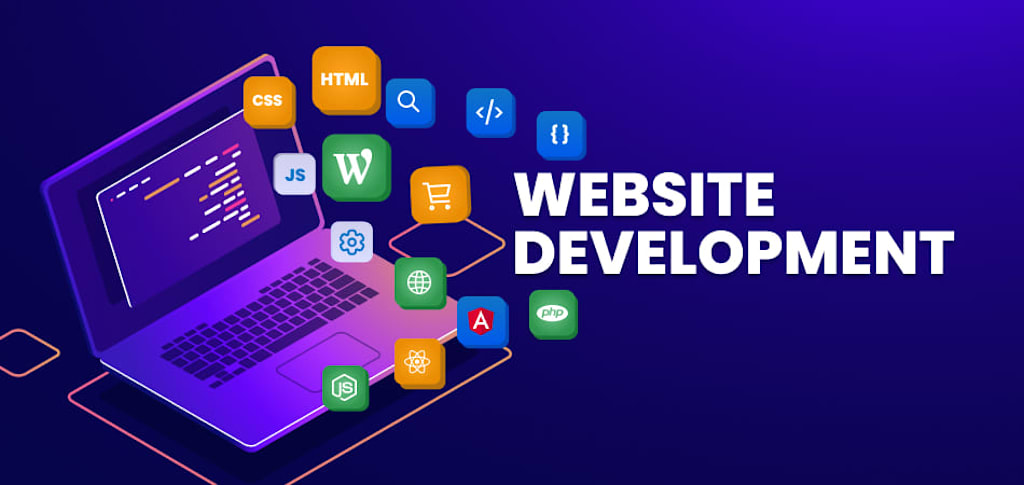
Website development today involves much more than simply putting text and images online. A successful website combines strategy, design, technology, and ongoing maintenance to deliver a smooth experience for users. Whether the goal is to build an online store, launch a blog, or create a professional business presence, every website follows a series of important stages before it goes live.
One of the first and most important steps is planning. Before designers or developers begin their work, it is necessary to understand the purpose of the website. Some websites are designed to sell products, while others focus on sharing information, building communities, or showcasing creative work. Defining clear objectives helps shape every decision made later in the process.
Understanding the target audience is equally important. A website built for teenagers will look and function differently from one designed for corporate professionals. Researching user behavior, preferences, and expectations can help create content and layouts that are more engaging and useful. During the planning phase, businesses often analyze competitors to identify strengths, weaknesses, and opportunities in the market.
Another essential part of planning is creating a sitemap. A sitemap acts as the blueprint of the website and outlines how pages will connect with one another. It ensures that visitors can easily navigate through the site without confusion. Proper organization also improves user satisfaction and can support better visibility in search engines.
Once the planning stage is complete, attention shifts toward design and user experience. Visual appearance plays a major role in how visitors perceive a website. A clean and modern design helps build trust, while a cluttered or outdated layout may cause users to leave quickly. Designers typically begin with wireframes, which are simple visual sketches that show where different elements will appear on the page.
Color schemes, typography, and spacing all contribute to the overall experience. Choosing the right fonts improves readability, while balanced colors help create a professional appearance. Designers also focus on consistency so that every page feels connected to the same brand identity.
In recent years, mobile responsiveness has become one of the most important aspects of web design. Since many users browse websites through smartphones and tablets, websites must adapt smoothly to different screen sizes. A responsive design ensures that content remains accessible and visually appealing across all devices.
After the design phase comes development, where the website is transformed into a working digital platform. Front-end developers build the visual side of the website using technologies such as HTML, CSS, and JavaScript. These tools control structure, styling, animations, and interactive elements that users engage with directly.
Back-end development focuses on the server side of the website. This includes managing databases, handling user accounts, processing forms, and storing information securely. Popular technologies used in back-end systems include Node.js, Python, PHP, and Ruby frameworks. Together, front-end and back-end systems allow websites to function efficiently and reliably.
The field of Website development continues to evolve as businesses demand faster, safer, and more user-friendly digital experiences. Developers now pay close attention to performance optimization, page speed, and cybersecurity because users expect websites to load quickly and protect their personal information.
Testing is another crucial part of the process. Before launching a website, developers carefully examine it for broken links, technical bugs, and compatibility issues. Testing across multiple browsers and devices helps ensure a consistent experience for all visitors. Even small errors can affect user trust and overall performance.
Once testing is complete, the website is ready for launch. Choosing a reliable hosting provider is important because hosting affects speed, uptime, and security. Businesses also select a domain name that is memorable and relevant to their brand or content.
However, launching a website is not the end of the journey. Ongoing maintenance is necessary to keep the website secure and up to date. Regular updates, fresh content, and security patches help maintain performance and reduce vulnerabilities. Website owners also use analytics tools to monitor visitor behavior, traffic sources, and engagement levels. These insights can help identify areas for improvement over time.
Building a successful website requires a balance of creativity, technical skills, and strategic thinking. From planning and design to development and maintenance, each stage contributes to the final user experience. As technology continues to advance, websites will remain an essential part of communication, business, and digital growth for individuals and organizations around the world.
About the Creator
Enjoyed the story? Support the Creator.
Subscribe for free to receive all their stories in your feed.
Comments
There are no comments for this story
Be the first to respond and start the conversation.