
Understanding Pool Chlorine Tablets and Their Role in Pool Maintenance
Lifestyle
Introduction
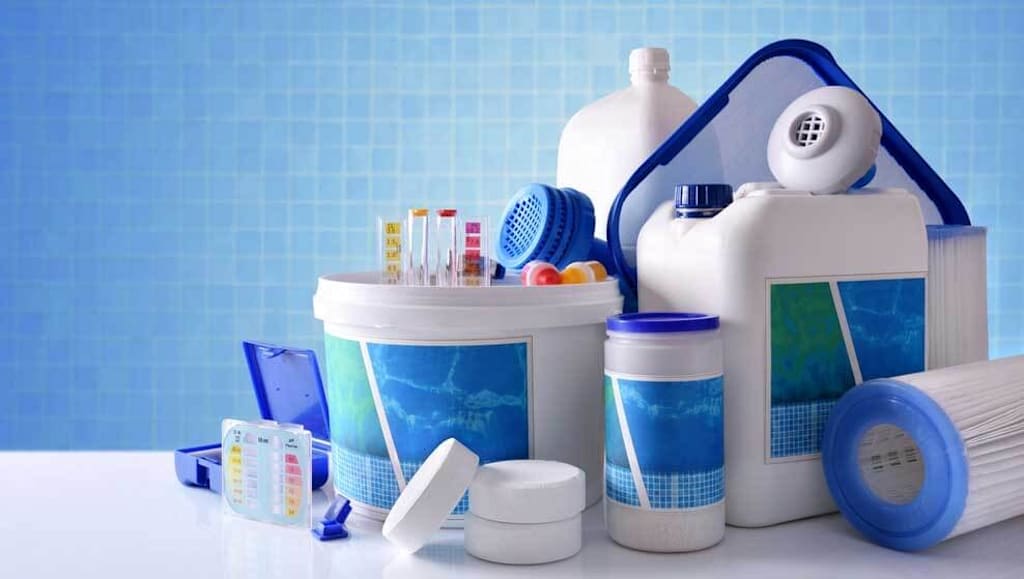
There are a number of different reasons why swimming pools must be swept and maintained regularly to ensure that they do not become unclean and unhealthy. There are various different types of pool water sanitizing chlorine tablets and they're among the most popular and best sanitizing products for most swimming pools. These tablets are to control naturally occurring bacteria, algae, and other contaminants that exist in a pool. Chlorine Tablets will ensure proper pool maintenance when used in a pool of your own or in large pool locations (like a recreation center pool). Understanding exactly what the chlorine tablets do and how to use them properly will ensure proper pool maintenance.
This article provides all the information on how to use chlorine tablets, what benefits do they offer to water safety and different types of chlorine tablets, as well as some of the considerations when purchasing chlorine tablets and being responsible for their use.
The Basics of Pool Chlorine Tablets
Tablets filled with chlorine are solid chemical substances that are intended to release chlorine over a period of time when placed in the pool. They are a common product due to their consistent and controlled sanitizing application of pools. When looking up details on the maintenance products, one of the most commonly asked questions by many owners is: where can I buy pool chlorine tablets online, particularly when they are comparing the items, their availability and prices among all suppliers?
Tablets of chlorine are usually dropped into floating dispensers, into skimmer baskets or automatic chlorinators. When the tablets break apart in the water, they pour out the chlorine, thus promoting the balance of sanitation level in the water. Waters with inadequate levels of chlorine could rapidly become murky and unsafe for children to dive into.
A commonly used tablet is the combination of trichloroisocyanuric acids containing stabilized chlorine. Stabilized chlorine consists of cyanuric acid which reduces the rate of destruction of chlorine by sunlight. This is particularly beneficial for pools that are located outside.
Significance of Chlorine for Pool Hygiene
Swimming pools are constantly contaminated by an infinite number of contaminants, which include dirt, body oils and sweat, contaminants from insects and microorganisms. Pools can give rise to the growth of bacteria and algae if they are not properly sanitized. Chlorine disinfects by reacting with the organic matter in the water, and then oxidizing harmful microorganisms in the water.
There are two dominating advantages of chlorine: the overall protection it provides and the round-the-clock availability of chlorine. After entering the pool, chlorine keeps the pool from becoming cloudy or hazy and it also acts as a preventative measure to keep waterborne diseases away from the pool. Swim areas and pools that are used by many people, or that may be used by officials, are particularly important for best practices related to sanitation.
But it is also essential to maintain the proper chlorine level. Too high a chlorine residue may lead to skin and eye irritating residue remaining and too low a concentration may not achieve effective disinfection. Pool Chemistry testing and adjustment is then required on a regular basis to provide safe swimming conditions.
Types of Chlorine Tablets
The amount of chlorine in chlorine tablets is not uniform.By performing a variety of water treatments, chlorine may vary in quantity, depending on the size of the pool and maintenance program.
1. Stabilized Chlorine Tablets
The Tablets below are the most common ones used in outdoor swimming pools. They include cyanuric acid that covers the chlorine upon UV rays. The chlorine level in water may need to be increased several times per day in conditions of abundant sunshine, whereas the stabilized tablets are useful in sunny conditions because sunlight can quickly degrade the amount of chlorine in the water.
2. Unstabilized Chlorine Tablets
Unstabilized tablets come without cyanuric acid and are better suited for an indoor pool with little exposure to sunlight. There is no stabiliser in the product, so it may take more care monitoring chlorine levels.
3. Multi-Function Tablets
There are chlorine tablets which have more than one purpose, such as fisheries sanitary, clarifiers and algae control. While these products may make maintenance easier, they must be monitored and used appropriately to prevent chemical balance problems. Chlorine tablets can also come in different sizes. Three inch tablets are popular in larger pools as these dissolve more slowly and may be appropriate for pools or spas that are smaller.
Chlorine Role in Maintaining Safe Swimming Conditions
Not only should pool water be visually clear, but it should also be clear as well because it should keep the swimmer healthy. Chlorine keeps pools safe by simply reducing growth of any microorganisms that could be present in untreated water. If managed with chlorination, algae growth can be prevented and bacteria can be controlled and bacterial or other contaminants can help to reduce odors.
If used correctly, chlorine does much more than sanitate, it also contributes to an optimum water balance. In addition to proper filtration and routine cleaning, it guarantees a better, safer and smarter swimming experience. Some chlorine pool products are capable of helping maintain the desired chlorine content (usually one to three parts per million) for most pools.
Keep in mind, however, that chlorine disinfectant is not the only chemical disinfectant that will be required for the pool. PH, alkalinity and calcium hardness of the water also should be checked regularly. If the chlorine level is low, insufficient chlorine efficiency may cause damage to pool surfaces and/or pool equipment.
Safe Handling and Storage of Chlorine Tablets
Chlorine tablets are effective but should always be handled carefully as they contain the concentrated chemicals. Inadequate precautions during direct contact can lead to irritation of your skin, eyes and respiratory system.
When handling chlorine tablets, pool owners should:
- Use of protective gloves is required as needed
- Tablets should be stored in a cool, dry and ventilated space
- Avoid contact between children/pets and chemicals
- Don't combine chlorine products with other chemicals
- Carefully read the manufacturer's instructions.
The improper storage can cause chemical reactions, particularly chlorine and moisture or incompatible materials. Products should be kept in containers that tightly close to maintain product stability and minimize safety issues.
Environmental Considerations in Pool Maintenance
With heightened concern for the environment, more and more pool owners are also turning their mind to how pool chemicals affect the environment. When improperly discharged to natural waters or storm drains, chlorine can impact the environment. Reducing unnecessary chemical use and responsible disposal of chemicals are part of responsible pool maintenance.
Efficient filtration systems, pool covers, and regular cleaning can minimize debris and contamination, thus lowering chlorine usage. Other pool owners are interested in alternate systems such as saltwater chlorination or ultra-violet pool sanitation to decrease the amount of overall chemical usage.
However, chlorine is still one of the most popular and convenient ways to disinfect, because of its efficiency and simplicity. It is about using an appropriate amount of the product and using it responsibly, not too much.
About the Creator
Enjoyed the story? Support the Creator.
Subscribe for free to receive all their stories in your feed.
Comments
There are no comments for this story
Be the first to respond and start the conversation.