
UAE Textile Recycling Market Report 2026–2034 | Circular Economy Trends Driving Growth
How Sustainability Initiatives, Circular Economy Practices, and Rising Textile Waste Management Awareness Are Driving Market Growth.

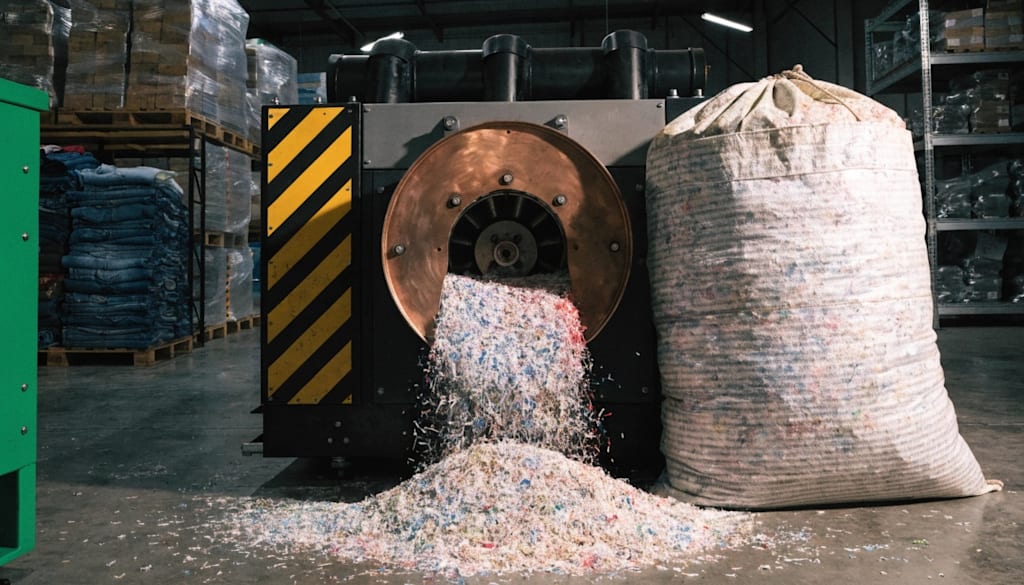
Market Overview
The textile recycling market in the UAE is witnessing steady growth, driven by increasing environmental awareness, rising textile waste generation, and growing adoption of sustainable waste management practices. Textile recycling involves the collection, sorting, processing, and reuse of textile waste materials to reduce landfill waste, conserve natural resources, and support circular economy initiatives.
The UAE textile recycling market size reached USD 27.1 Million in 2025 and is projected to grow significantly, reaching approximately USD 38.2 Million by 2034. This reflects a compound annual growth rate (CAGR) of 3.78% during 2026–2034.
This growth is primarily driven by increasing focus on sustainable fashion, government initiatives promoting recycling and waste reduction, and rising consumer preference for eco-friendly textile products.
As sustainability priorities continue to evolve, the market is becoming more technology-driven, environmentally conscious, and aligned with circular economy goals.
Analyze Market Potential with Expert Insights — Download the Sample
Key Drivers Fueling Market Growth
Rising Focus on Sustainable Waste Management
Increasing awareness regarding environmental conservation and waste reduction is significantly boosting the adoption of textile recycling solutions across the UAE.
Growth of Sustainable Fashion and Eco-Friendly Consumer Trends
Consumers and fashion brands are increasingly adopting recycled textiles and sustainable production practices to minimize environmental impact.
Government Support for Circular Economy Initiatives
Government-led sustainability programs, recycling policies, and waste management initiatives are encouraging investments in textile recycling infrastructure and technologies.
Role of Technology and Innovation
Advanced Textile Sorting and Recycling Technologies
Manufacturers and recycling companies are increasingly adopting automated sorting systems, chemical recycling methods, and fiber recovery technologies to improve recycling efficiency.
Development of Sustainable Textile Processing Methods
Innovations in low-energy recycling processes and eco-friendly textile treatment solutions are supporting sustainable textile manufacturing practices.
Digital Traceability and Circular Supply Chains
Digital platforms and smart supply chain systems are improving transparency, traceability, and management of recycled textile materials.
UAE Textile Recycling Industry Trends & Drivers
The market is being reshaped by increasing demand for recycled cotton, polyester, nylon fibers, and sustainable textile materials across apparel and industrial applications.
Additionally, growing partnerships between fashion brands, recycling firms, and sustainability organizations are positively influencing market expansion.
Companies are also focusing on textile collection programs, recycling awareness campaigns, and eco-friendly product development to strengthen competitiveness and environmental responsibility.
The increasing adoption of circular economy principles and sustainable manufacturing strategies is further supporting the UAE textile recycling industry outlook.
UAE Textile Recycling Market Segmentation
Product Type Insights:
- Cotton Recycling
- Wool Recycling
- Polyester and Polyester Fiber Recycling
- Nylon and Nylon Fiber Recycling
- Others
Textile Waste Insights:
- Pre-consumer textiles
- Post-consumer textiles
End Use Insights:
- Apparel
- Industrial
- Home Furnishings
- Others
Regional Insights:
- Dubai
- Abu Dhabi
- Sharjah
- Others
- Competitive Landscape
The UAE textile recycling market is highly competitive, with the presence of recycling companies, waste management firms, sustainable textile manufacturers, and environmental solution providers.
Competition is driven by recycling efficiency, technological innovation, sustainability initiatives, material quality, and operational scalability. Companies are increasingly focusing on advanced recycling technologies, strategic collaborations, and circular economy solutions to strengthen market position.
Market Outlook
The UAE textile recycling market is expected to witness steady growth through 2034, supported by rising sustainability awareness, increasing textile waste generation, and expansion of eco-friendly manufacturing practices.
As demand for sustainable textiles and circular economy solutions continues to rise, companies will need to focus on innovation, recycling infrastructure development, and environmentally responsible production strategies.
In the coming years, the market will continue to evolve—becoming more technology-enabled, sustainability-focused, and aligned with the UAE’s long-term environmental and green economy goals.
About the Creator
Jackleen Jackleen
Hi, I’m Jackleen Jackleen, a passionate content writer who loves creating clear, engaging, and value-driven content. I enjoy turning ideas into impactful stories that connect with readers.
Enjoyed the story? Support the Creator.
Subscribe for free to receive all their stories in your feed.
Comments
There are no comments for this story
Be the first to respond and start the conversation.