
Trump Says China Has Not Approved Nvidia H200 Deal as Both Sides Push AI Chip Trade Stalemate
US approved sale of 75000 H200 chips to ten Chinese firms but Beijing holds back to prioritize domestic development amid ongoing export control negotiations

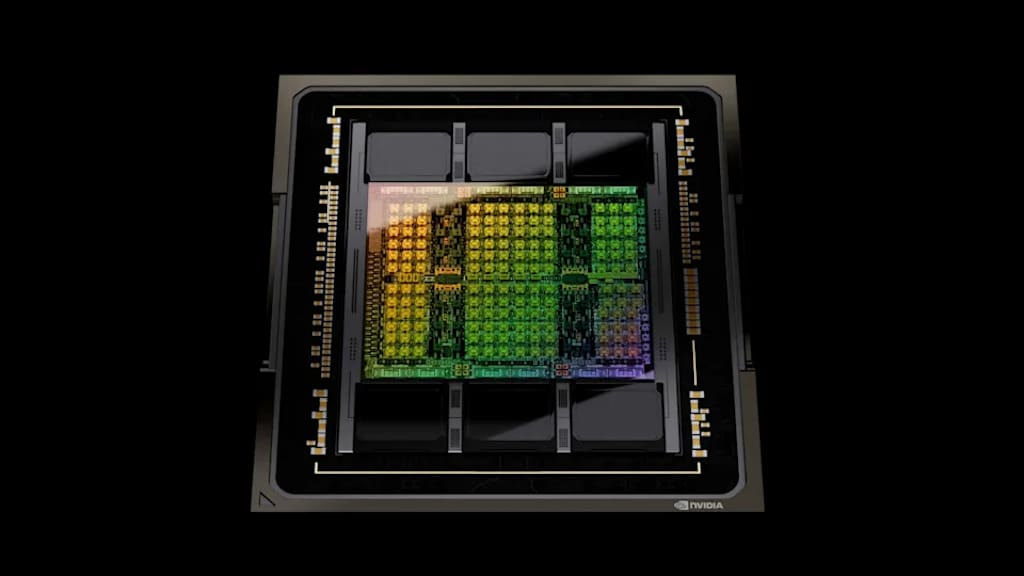
Read Time 6 minutes Tags Nvidia AI Chips Export Controls US China Trade Semiconductor Policy H200 AI Geopolitics If you aren t caught up on the situation US President Donald Trump alongside representatives from Micron Qualcomm and Nvidia all boarded Air Force One a few days ago to take a trip out to China and nurse the rocky trade relationship between the two countries From that trip America was hoping to trade some AI chips with China but not quite enough for it to take the lead in the AI space race Either way it might not have gotten past China s officials yet The US approved the sale of Nvidia s second best AI chip the H200 to 10 Chinese firms yesterday This would total 75000 units each As reported by Bloomberg Trump said on Friday that China has not yet approved this deal from its end because they chose not to they want to develop their own What Trump said about the deal One Stalled approval Despite this declaration Trump does say that the conversation came up and he reckons something could happen on that Trump has not yet elaborated on what this means what could happen or how those talks went However Trump has reportedly been chatting to Chinese President Xi Jinping about what guardrails could be implemented on this tech going forward When asked what kind of guardrails these would be Trump reportedly said Standard guardrails that we talk about all the time Two Context of prior approvals Notably China reportedly approved the import of H200 GPUs just a few months ago but the US government put caps on how many could be sent to the region It s been a rather tumultuous time for the two entities with both banning unbanning taxing and untaxing the AI chips The US approval this week covers 75000 units for ten Chinese firms but Chinese regulatory sign off is still pending Without that approval Nvidia cannot ship the chips Industry and company positions One Nvidia s stance Nvidia s CEO Jensen Huang has historically been very pro trade when it comes to AI tech and China When Nvidia effectively left the Chinese market due to import bans imposed late last year Huang argued it s important to be mindful that what harms China could oftentimes also harm America Just last month Huang bemoaned this market drop and argued the US should export AI like crazy to China It s naturally within the interest of Nvidia to sell its AI tech to whoever will take it as it owes the growth of AI for it becoming the world s first 5 trillion company after all Though the company says its share in China is zero today Two US government rationale The US wants to allow some sales to maintain revenue and influence while preventing China from accessing chips that could accelerate frontier AI development The H200 is a downgraded variant compared to the H100 and B200 series but still provides substantial training and inference capability Exporting some AI chips would be beneficial to the US too as it can claim taxes on that tech But all parties seem to be aware that China cannot over rely on American AI technology Huang said last year that we don t have to worry about the Chinese military using AI chips because they simply can t rely on it Three China s strategic calculus Trump said China has not approved the deal because they want to develop their own This aligns with Beijing s push for semiconductor self sufficiency through initiatives like the National Integrated Circuit Industry Investment Fund and subsidies for domestic GPU makers including Biren Huawei and Moore Threads Approving large imports of US chips would undercut domestic firms and reduce urgency for local development Beijing likely views controlled access as leverage in negotiations while buying time for domestic alternatives to mature Where the stalemate sits One No clear resolution And so the US and China and by extension Nvidia seem to be at a stalemate Whether or not Trump s big trip will see any returns on American investment is anyone s guess but he seems pretty positive about it anyway The trip included meetings with Micron and Qualcomm representatives suggesting the US is seeking broader agreements on memory and mobile chips beyond AI accelerators But no public commitments have emerged Two Guardrails remain vague The notion of standard guardrails suggests ongoing discussion about end use restrictions auditing and compliance mechanisms The US wants assurances that chips are not diverted to military applications or advanced AI labs that could bypass export controls China resists invasive verification that it views as interference Without agreed monitoring the US is unlikely to expand approvals beyond current levels Implications for the AI and semiconductor markets One Nvidia revenue and strategy If the deal remains blocked Nvidia loses a near term revenue stream in China and must rely on domestic US and allied market demand The company has already adapted by designing China specific chips like the H20 but those face tighter performance caps and uncertain demand Zero market share today as Huang noted means Nvidia has little to lose by waiting but prolonged absence cedes ground to domestic competitors Two US export control credibility The case tests whether the US can calibrate controls to allow commercial sales without enabling strategic competitors If China approves the deal under US conditions it validates the guardrail approach If not it suggests export controls are accelerating decoupling Three Domestic Chinese AI development Delaying US chip imports creates short term friction for Chinese AI labs but strengthens incentives to optimize software for domestic hardware and to improve chip design The longer the stalemate lasts the more viable domestic alternatives become Four Broader trade signal The episode reflects a broader pattern where AI chips are treated as both commercial products and strategic assets Negotiations will likely continue to be transactional and subject to shifts in US domestic politics and China s technology priorities For Nvidia investors the key watch item is whether Chinese approval arrives before domestic alternatives capture market share For policymakers the question is whether partial trade preserves influence or prolongs dependency For Chinese AI firms the calculation is whether to wait for US chips or commit to domestic ecosystems now Do you think the US should allow more AI chip sales to China under strict guardrails or is a hard decoupling the only viable long term strategy Share your view in the comments
About the Creator
Enjoyed the story? Support the Creator.
Subscribe for free to receive all their stories in your feed.
Comments
There are no comments for this story
Be the first to respond and start the conversation.