
Truck Bedliners Market Is on Track to Hit $5 Billion by 2035
Spray-on coatings, digital retail, and EV trucks are reshaping a quietly growing accessory market.
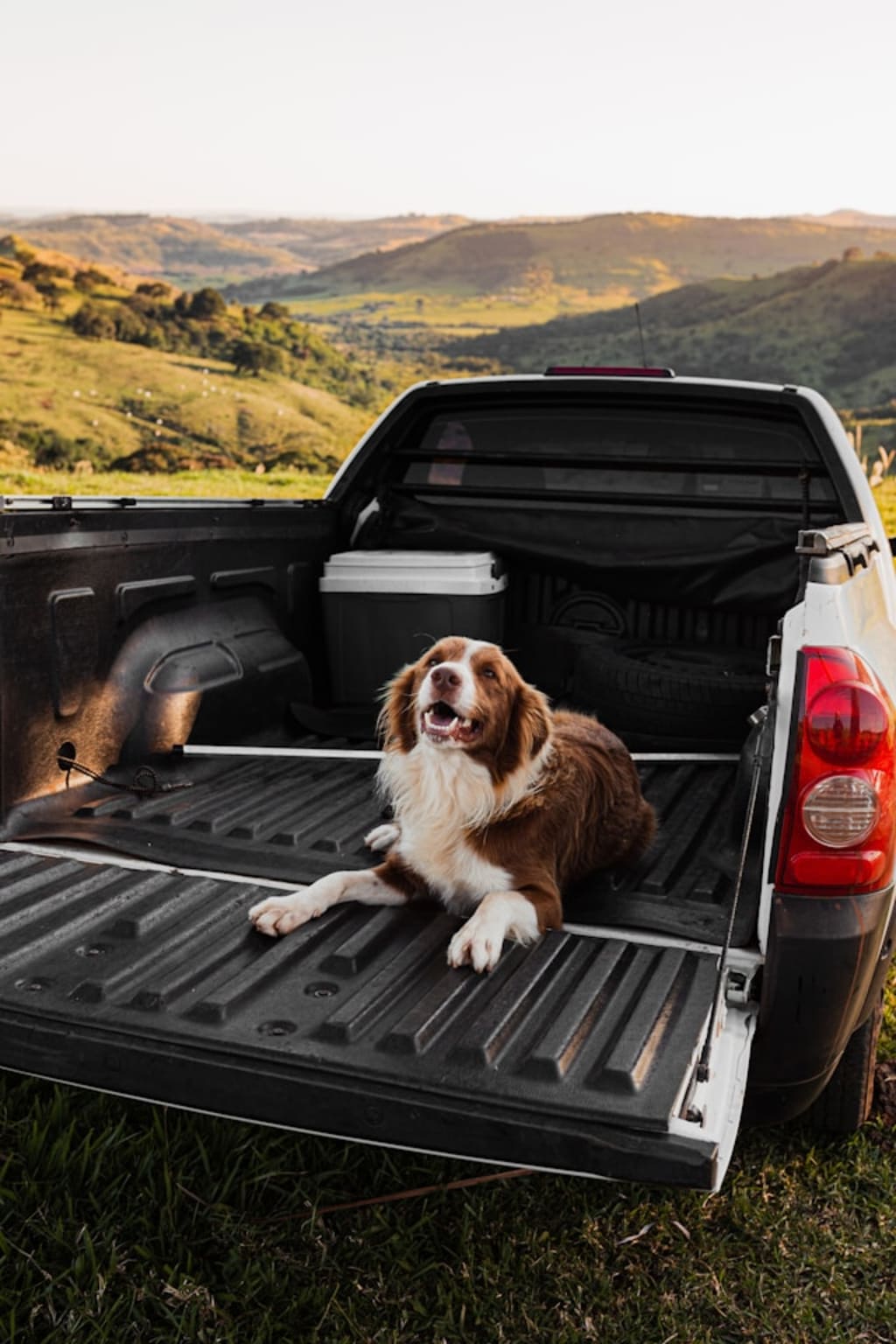
The Humble Truck Bed Is Quietly Building a $5 Billion Industry
The Ford F-150 has been America's best-selling vehicle for over four decades. But most of the money flowing around it isn't in the truck — it's in what goes inside. A thin layer of polyurea coating sprayed onto a cargo bed, a molded plastic liner snapped into place, a rubber mat rolled across bare metal. These simple accessories are collectively shaping a Truck Bedliners Market size projected to grow from USD 2.9 billion in 2025 to USD 5.0 billion by 2035, advancing at a 5.7% compound annual rate that outpaces much of the broader automotive accessories sector. Detailed figures and segmentation data are available in this truck bedliners industry overview.
What makes this market unusual is its structural independence from new vehicle sales. Truck owners buy bedliners independently, often months or years after the original purchase. That creates a recurring purchase cycle anchored to vehicle ownership, not production volumes. When the new-truck market cools — as it periodically does — bedliner demand barely flinches.
Spray-On Coatings Are Pulling Away from the Pack
Not all bedliners are built the same, and the market is splitting along performance lines. Spray-on polyurea and polyurethane coatings held 48.9% of the product segment in 2025, a dominant share driven by one core advantage: chemical bonding. When a professional applicator sprays polyurea onto a bare metal surface, the coating fuses at a molecular level, sealing out moisture and debris completely. Drop-in plastic liners, by contrast, trap water and grit between the liner and the bed floor, accelerating the corrosion they are supposed to prevent.
Burtin Coatings, one of the professional-grade suppliers in this segment, reports that its System 14 spray formulation achieves theoretical coverage of 1,600 square feet per drum set at 100 mil dry film thickness — an efficiency figure that matters commercially because it reduces material waste per vehicle and keeps professional spray services cost-competitive. That economics argument is winning over fleet managers at both commercial and government levels, where corrosion prevention is a budget calculation, not a preference.
North America Leads, But the World Is Catching Up
North America currently accounts for 38.8% of global Truck Bedliners Market share, translating to roughly USD 1.1 billion in 2025. The dominance reflects decades of deeply embedded pickup truck culture — the United States alone registers millions of light-duty trucks annually — and an aftermarket accessories ecosystem that reliably converts truck buyers into accessories buyers. Light-duty pickup trucks are the category backbone, representing 74.2% of the truck-type segment.
But the geography of growth is shifting. Asia-Pacific, with its expanding commercial logistics fleets and rising light-truck penetration in markets like Thailand, Australia, and India, is recording accelerating demand that industry analysts expect to narrow the regional gap through the 2030s. In Australia particularly, ute ownership has surged alongside construction sector activity, creating an aftermarket appetite that closely mirrors the American pattern from two decades ago.
Digital Tools Are Changing How Buyers Choose
An acquisition in July 2024 signaled something important about where this market is heading. RealTruck, one of the major online distributors of truck accessories, purchased Protex — a company specializing in web-based 3D product configuration and augmented reality visualization. The purchase compressed the traditional gap between browsing and buying. A truck owner can now visualize a specific bedliner color, texture, and fit on their exact vehicle model before placing an order.
That shift matters because it accelerates the purchase decision and widens the buyer pool beyond hands-on truck enthusiasts. Casual truck owners who might have skipped the upgrade are now more easily converted when the product feels tangible and personalized before it arrives. According to an analysis of the Truck Bedliners Market size and share trends, the aftermarket segment already commands 69.5% of total application revenue — and digitally enabled retail is a key driver keeping that figure elevated.
What the Next Decade Looks Like
The industry is moving toward more specialized solutions. Hybrid bedliner systems combining spray coatings with removable mat layers are appearing across OEM accessory packages, giving manufacturers a way to compete with the aftermarket on day one of a truck's life. Electric pickup trucks, including the Rivian R1T and the upcoming Ford F-150 Lightning variants, are bringing new design constraints — composite or aluminum beds that require adhesion chemistry designed for non-ferrous substrates. Suppliers who crack that formulation early will have a significant advantage as EV pickup volumes climb through the late 2020s. The bedliner business has always followed the truck wherever it goes, and the truck is going somewhere new.
About the Creator
Mark K. Belton
I’m Mark K. Belton, 26 years old, currently working as a Digital Marketing Intern. I have a strong interest in digital marketing and have been developing my skills in SEO, social media marketing, content creation, and online campaign
Enjoyed the story? Support the Creator.
Subscribe for free to receive all their stories in your feed.
Comments
There are no comments for this story
Be the first to respond and start the conversation.