
Tooling Market Trends: Sustainability Focus, Eco-Friendly Tooling & Industry Growth
How sustainability initiatives, eco-friendly materials, and energy-efficient production processes are influencing tooling design and manufacturing strategies in response to evolving environmental regulations

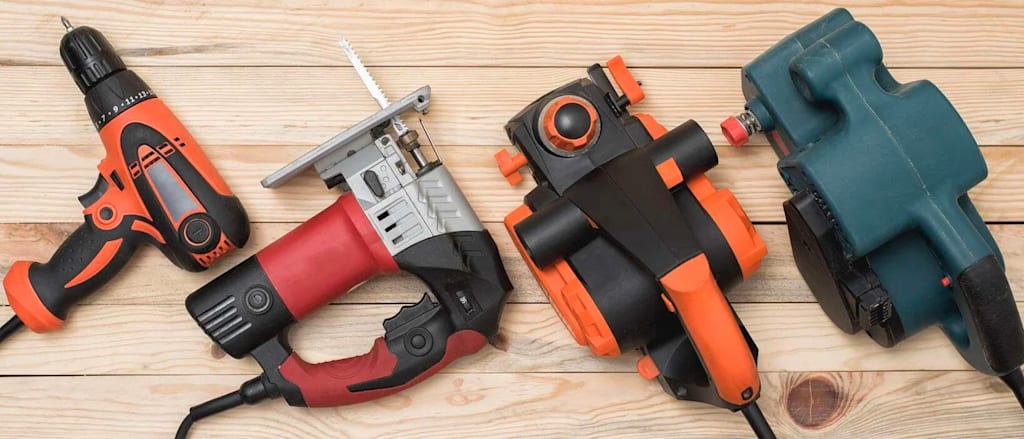
The global tooling industry is undergoing a significant transformation, evolving from conventional mechanical processes into a digitally integrated and technology-driven sector. Tooling systems including dies, molds, jigs, and cutting tools form a critical foundation for manufacturing across industries such as automotive, aerospace, electronics, and medical devices.
According to IMARC Group’s latest data, the global tooling market size was valued at USD 290.6 Billion in 2025. Looking forward, IMARC Group estimates the market to reach USD 501.4 Billion by 2034, exhibiting a CAGR of 6.20% during 2026–2034.
Tooling plays a central role in converting product designs into finished components with high precision and consistency. As industries increasingly demand complex and lightweight structures such as electric vehicle battery housings and advanced aerospace components the need for high-performance tooling solutions is expanding.
Modern tooling has evolved into a sophisticated segment supported by advancements in materials science, automation, and digital monitoring technologies. High-speed steel (HSS), carbide tools, and ceramic-based cutting systems are being developed to handle advanced materials while improving durability and reducing waste. Additionally, the integration of IoT-enabled sensors into tooling systems allows real-time monitoring of tool wear and performance, enhancing operational efficiency across manufacturing processes.
Download Now: Free "Tooling Market" Market Intelligence Report
Tooling Market Growth Drivers:
- Accelerated Transition to Electric Vehicles (EVs)
The global shift toward electric mobility is a major factor influencing tooling demand. Electric vehicles require different manufacturing processes compared to traditional internal combustion engine vehicles, leading to the need for specialized molds, dies, and casting systems.
For example, the increasing adoption of large-scale casting techniques for aluminum vehicle structures has significantly raised demand for high-capacity tooling systems. Automotive tooling investments related to these processes are expected to expand steadily as manufacturers scale EV production.
Battery systems, electric drivetrains, and lightweight vehicle components involve complex geometries that require precise and durable tooling solutions. As a result, manufacturers are investing in advanced tooling capable of maintaining accuracy and consistency under high production volumes.
- Integration of Industry 4.0 and Smart Manufacturing
The adoption of digital manufacturing technologies is reshaping tooling operations. Industry 4.0 concepts, including automation, artificial intelligence, and real-time data analytics, are being integrated into modern production environments.
Smart tooling systems equipped with sensors can monitor variables such as temperature, vibration, and wear. This data is transmitted to digital platforms, enabling predictive maintenance and reducing unplanned downtime.
By 2025, digital technologies are expected to account for a significant share of manufacturing investments as companies focus on improving efficiency and minimizing operational disruptions. The ability to monitor tool performance in real time also helps optimize usage, extending tool life and reducing replacement costs.
- Resurgence in Aerospace and Defense Production
Increased investment in aerospace and defense sectors is driving demand for high-precision tooling solutions. Aircraft manufacturing requires specialized tools capable of machining advanced materials such as titanium alloys and carbon-fiber composites.
These materials are known for their strength and resistance to heat, making them difficult to process using conventional tools. As a result, manufacturers rely on carbide and diamond-coated cutting tools designed to maintain performance under extreme conditions.
The growing backlog of commercial aircraft orders, along with rising defense expenditures, is supporting demand for advanced machining systems, including multi-axis platforms. These applications require high-performance tooling that ensures precision, durability, and consistent quality output.
Tooling Market Trends:
- Rising Adoption of Additive Manufacturing (3D Printing)
Additive manufacturing is becoming an important component of modern tooling processes. The combination of traditional machining with 3D printing, often referred to as hybrid manufacturing, allows for the creation of complex tooling components that were previously difficult to produce.
This approach is particularly useful in developing molds with internal cooling channels, which improve heat management and reduce production cycle times. In some cases, additive manufacturing techniques can reduce manufacturing lead times significantly, enabling faster product development and prototyping.
The use of 3D printing in tooling is also supporting lightweight design and material efficiency, contributing to overall production optimization.
- Sustainability and Green Tooling Practices
Environmental considerations are influencing tooling production and usage. Manufacturers are increasingly focusing on reducing material waste and adopting sustainable practices such as recycling and reconditioning of tool materials.
Processes like dry machining and minimum quantity lubrication (MQL) are gaining attention as they reduce the use of traditional coolants and minimize environmental impact. Additionally, recycled materials such as tungsten carbide are being used in tool production without compromising performance standards.
Government initiatives in several regions are supporting sustainable manufacturing practices by encouraging investments in energy-efficient technologies and environmentally responsible production methods.
- Demand for High-Precision Modular and Custom Tooling
The trend toward flexible manufacturing and mass customization is driving demand for modular tooling systems. These systems allow manufacturers to replace or adjust specific components of a tool rather than replacing the entire unit.
This flexibility reduces downtime and lowers inventory costs while enabling faster adaptation to changing production requirements. Modular tooling is particularly beneficial for small and medium-sized enterprises that manage diverse production batches.
Advanced machining systems, including five-axis platforms, are also gaining adoption as they allow complex components to be produced in a single setup. This reduces errors associated with multiple handling stages and improves overall production accuracy.
Recent News and Developments:
- March 2026: A European precision engineering group implemented an AI-driven toolpath optimization system, resulting in reduced tool wear and improved efficiency across aerospace manufacturing operations.
- January 2026: The Chinese government expanded its industrial modernization initiative focused on upgrading high-end tooling capabilities, supporting domestic manufacturers through financial incentives and policy measures.
- February 2025: AMETEK Inc. completed the acquisition of Kern Microtechnik to strengthen its presence in ultra-precision machining and inspection technologies for medical and semiconductor applications.
Note: If you require specific details, data, or insights that are not currently included in the scope of this report, we are happy to accommodate your request. As part of our customization service, we will gather and provide the additional information you need, tailored to your specific requirements. Please let us know your exact needs, and we will ensure the report is updated accordingly to meet your expectations.
About the Creator
Andrew Sullivan
Hello, I’m Andrew Sullivan. I have over 9+ years of experience as a market research specialist.
Enjoyed the story? Support the Creator.
Subscribe for free to receive all their stories in your feed.
Comments
There are no comments for this story
Be the first to respond and start the conversation.