
Tomato Seed Market Trends: Organic Farming Shift, Heirloom Demand & Industry Forecast to 2034
How shifting consumer preferences toward organic produce, non-GMO seeds, and sustainable agriculture practices are influencing innovation and demand in the tomato seed industry

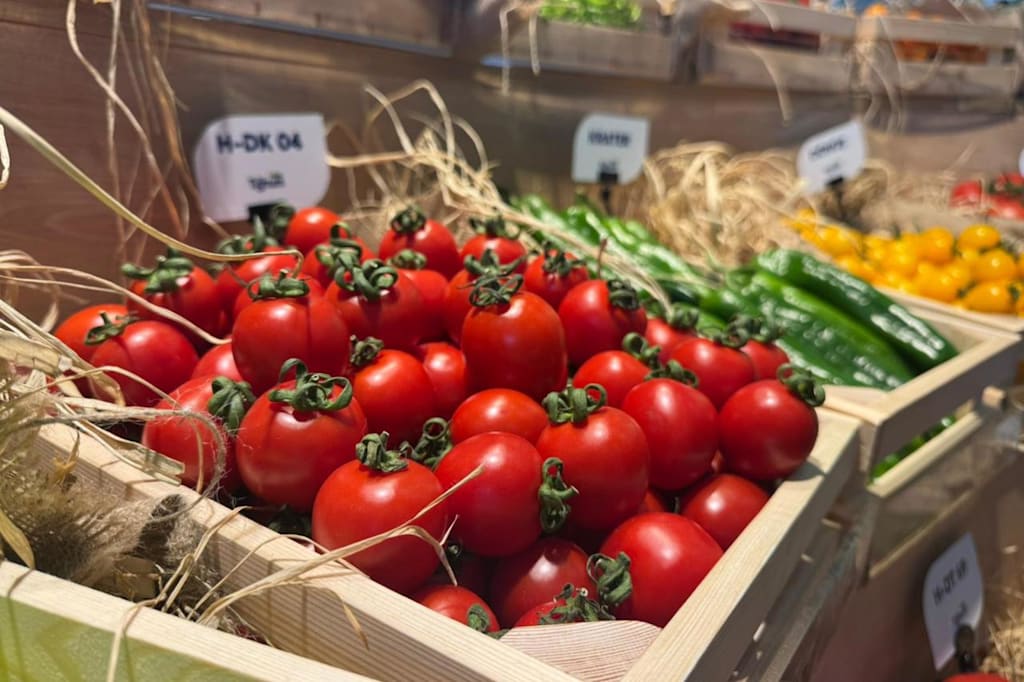
The global demand for high-yield, disease-resistant crops is intensifying, positioning the tomato seed industry as a vital pillar of modern agriculture. Driven by the expansion of the food processing sector and a shift toward protected cultivation, the market is evolving to meet both commercial productivity needs and consumer preferences for specialized varieties like cherry and heirloom tomatoes. According to IMARC Group’s latest data, The global tomato seed market size was valued at USD 1.2 Billion in 2025. Looking forward, IMARC Group estimates the market to reach USD 1.9 Billion by 2033, exhibiting a CAGR of 5.8% from 2026-2033.
Tomato seeds now represent a high-value agricultural segment, characterized by a significant transition from farm-saved seeds to professionally bred hybrids. Large-scale commercial growers are increasingly investing in seeds that offer climate resilience and better transportability for the global supply chain. The market is also seeing a surge in demand for "functional" tomatoes—varieties bred specifically for higher lycopene or vitamin content. Key segments include hybrid seeds, which command the majority of the market share due to superior yield potential, and open-field cultivation, which remains the primary method of production globally.
Tomato Seed Market Growth Drivers:
- Surging Demand for Processed Tomato Products
The global appetite for convenient, shelf-stable food products like ketchup, pasta sauces, and canned purees is a primary engine for seed market growth. Food processing giants require specific tomato varieties with high solid content (Brix levels) and uniform ripening to ensure industrial efficiency. Currently, the processed tomato segment consumes millions of tons of raw produce annually, necessitating specialized hybrid seeds that can withstand mechanical harvesting. As urban populations grow and dietary habits shift toward Mediterranean and Western cuisines, the demand for these high-performance seeds continues to scale alongside the $190 billion global tomato processing industry.
- Technological Advancements in Hybrid Breeding
Farmers are rapidly moving away from traditional open-pollinated seeds toward advanced hybrids to secure their investments against volatile environmental conditions. Modern breeding techniques have introduced varieties that are resistant to devastating pathogens like Fusarium wilt and Tomato Yellow Leaf Curl Virus (TYLCV), which can otherwise wipe out 80% of a harvest. These hybrid seeds allow for higher planting densities and significantly better yields per hectare compared to conventional types. With agricultural land becoming a limited resource, the ability to produce more fruit on less land through superior genetics has become a non-negotiable requirement for commercial agribusinesses.
- Expansion of Greenhouse and Protected Cultivation
The shift from traditional open-field farming to controlled environment agriculture (CEA) is revolutionizing seed demand, particularly in North America and Europe. Greenhouses and high-tech vertical farms now account for over 25% of fresh tomato output in several developed regions. These environments require specialized "indeterminate" seed varieties that can grow continuously and produce high-quality fruit year-round. This move toward protected cultivation is supported by government subsidies in various countries aimed at enhancing food security and reducing water usage.
Tomato Seed Market Trends:
- Rise of Specialty and "Flavor-First" Varieties
There is a notable consumer-driven trend toward "snacking" tomatoes, such as cherry, grape, and cocktail varieties, which offer higher profit margins for growers. Retailers are dedicating more shelf space to these premium options as health-conscious consumers seek out nutrient-dense, flavorful snacks. Statistics show that the cherry tomato seed segment alone is witnessing a significant valuation spike, as these varieties are often priced 30-50% higher than standard round tomatoes. This trend is forcing seed companies to pivot their R&D efforts toward flavor profiles, aromatic compounds, and vibrant colors rather than just yield and shelf life.
- Sustainability and Organic Seed Adoption
Environmental concerns are reshaping the industry, with a growing number of growers seeking organic-certified seeds to comply with stringent "farm-to-fork" regulations in regions like the European Union. Consumers are increasingly willing to pay a premium for produce grown without synthetic pesticides, leading to a rise in demand for seeds with "built-in" pest resistance. Furthermore, seed coating technologies are evolving to include bio-stimulants and organic fungicides, which improve germination rates while adhering to eco-friendly standards.
- Digital in Seed Performance Tracking
The integration of data analytics and "Smart Farming" is allowing growers to track the performance of specific seed batches with unprecedented precision. By using IoT sensors and satellite imagery, farmers can now correlate yield outcomes directly to seed genetics under specific soil and weather conditions. This "traceability" trend is highly valued by large-scale agricultural cooperatives, as it helps in selecting the most resilient seeds for future seasons. Consequently, seed companies are becoming data partners, providing not just the physical product but also digital growth protocols to ensure that the genetic potential of the tomato seed is fully realized in the field.
Recent News and Developments in Tomato Seed Market
- January 2026: The Asia and Pacific Seed Association (APSA) and the World Vegetable Center launched the "Accelerating Success" project, a collaborative initiative designed to provide seed companies with faster access to climate-resilient and disease-resistant tomato breeding lines.
- September 2025: A major global agri-tech leader announced the commercial release of a new "Heat-Shield" tomato hybrid specifically engineered to maintain high fruit-set rates in temperatures exceeding 35°C, targeting farmers in tropical and sub-tropical zones.
- June 2025: Leading European seed breeders unveiled a series of "Long Shelf Life" (LSL) cherry tomato varieties that can remain fresh for up to 21 days without refrigeration, aiming to reduce post-harvest waste in the retail supply chain.
Note: If you require specific details, data, or insights that are not currently included in the scope of this report, we are happy to accommodate your request. As part of our customization service, we will gather and provide the additional information you need, tailored to your specific requirements. Please let us know your exact needs, and we will ensure the report is updated accordingly to meet your expectations.
About the Creator
Andrew Sullivan
Hello, I’m Andrew Sullivan. I have over 9+ years of experience as a market research specialist.
Enjoyed the story? Support the Creator.
Subscribe for free to receive all their stories in your feed.
Comments
There are no comments for this story
Be the first to respond and start the conversation.