
The Valuation Vortex: Why the OpenAI IPO Frenzy Signals the End of AI’s Romantic Era
The digital wild west is closing its gates. As search interest splits between enterprise hardware upgrades and Wall Street speculation, artificial intelligence is officially growing up.

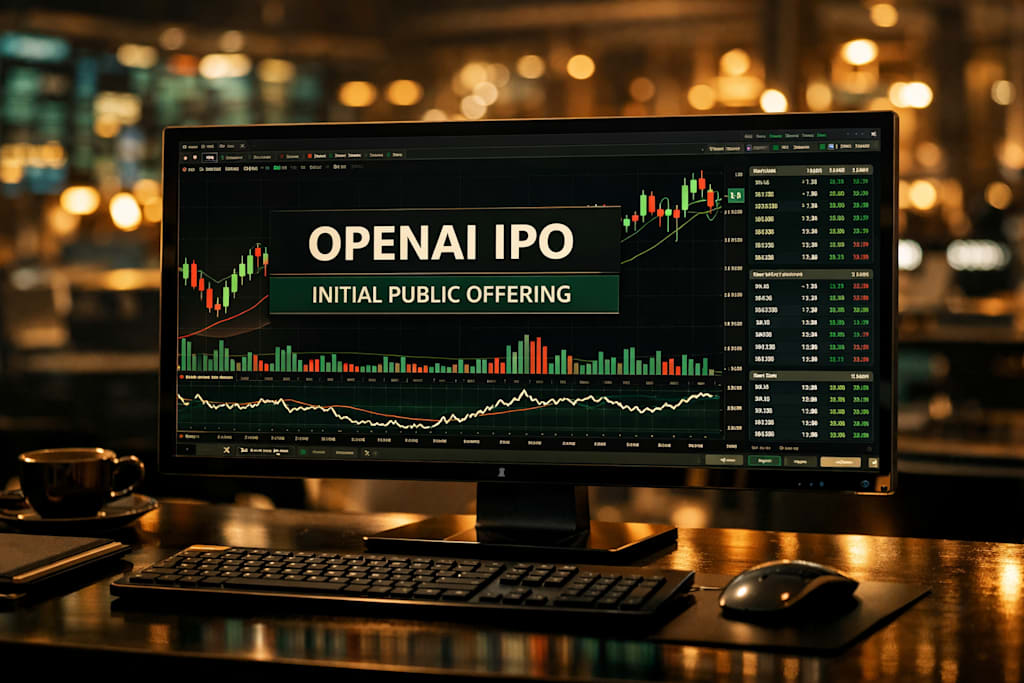
For the last several seasons, the global narrative surrounding artificial intelligence operated on pure, unadulterated speculative romance. Technology conferences and venture capital boards focused almost exclusively on the magic of the interface—celebrating the strange, immediate novelty of software that could generate cinematic video clips from a text prompt or mimic human conversation with eerie accuracy. Investors threw unbacked capital at lightweight application wrappers, operating on the assumption that viral consumer adoption would somehow automatically translate into long-term corporate compliance and sustainable cash flow.
Yet, as we navigate through June 2026, that romantic insulation has officially evaporated.
The global technology ecosystem has hit a wall of macroeconomic reality, transitioning sharply from a phase of consumer curiosity to an era of hard corporate valuation. This major shift is vividly cataloged by a sudden 200% explosion in global search interest for the "OpenAI IPO," moving in lockstep with a steady 250% sustained surge for operating system integrations like Siri AI. When combined with an intense 250% spike in queries for premium, tier-structured corporate access like "Google AI Plus," the trajectory of the market becomes unmistakable. The public is no longer interested in trying out free, experimental tools; they are preparing for the massive financial financialization and commercial consolidation of the entire sector.
The Commercial Consolidation and the Death of "Free"
To grasp the depth of this economic pivot, one must look at the structural exhaustion occurring within the consumer application market. For nearly three years, users have been overwhelmed by a chaotic flood of free beta tools, independent startups, and niche feature platforms. However, maintaining these massive infrastructure models requires staggering computational costs, and the era of endless venture capital subsidies has come to a close.
This shifting environment explains why generic consumer search metrics like "free ai" are experiencing a noticeable 9% decline.
Users are discovering that unpaid, surface-level applications lack the context window, data privacy guarantees, and architectural stability needed to perform genuine, high-value economic labor. Instead, the global workforce is consolidating its attention around premium, paid ecosystems like Google AI Plus and specialized enterprise engines like Jenni AI and Gamma AI. Professionals are no longer looking for digital toys; they are treating advanced software as a standard utility bill, willingly paying a monthly premium for secure, uninterrupted, and deeply integrated computational horsepower.
Wall Street's Arrival and the Hardware Lock-In
As the technological landscape matures, the focus of the tech sector is splitting into two highly distinct institutional battlefronts:
- The Financialization of the Core: The massive 200% leap in OpenAI IPO tracking signifies that the primary metric of success has shifted from user acquisition numbers to public market readiness, liquidity requirements, and rigid regulatory compliance audits.
- The OS-Level Hardware Monopoly: The continued, intense 250% momentum behind Siri AI highlights that the future of daily human-computer interaction will not take place inside isolated browser tabs, but through background algorithms hardwired directly into personal consumer devices.
The Reality Era of Digital Labor
The sudden global convergence toward institutional IPO speculation and paid operating system architectures proves that the initial hype cycle of artificial intelligence has reached its natural conclusion. The illusion that a small, independent web wrapper could indefinitely disrupt the global technology sector without massive capital, physical hardware control, and a clear path to monetization has been thoroughly dismantled.
The long-term sovereignty of this technical landscape will not be claimed by the flashiest prompt engine, but by the conglomerates that can successfully clear Wall Street's financial hurdles while anchoring their systems natively within the physical devices we carry every day. As the market purges speculative fluff in favor of premium subscriptions and public listings, the industry is proving that true utility cannot be sustained on novelty alone—it requires structural discipline, verified economic value, and systemic integration into the fabric of global business.
Are you ready to see OpenAI go public on Wall Street, or do you think an IPO will ruin the company's research focus? Have you already started moving away from free tools toward premium, paid AI subscriptions? Let's dissect the financial metrics and share your professional workflow experiences in the comments section below.
Engaged by this raw, capital-focused dispatch from the frontlines of the technology market? If you are determined to stay miles ahead of the crowd on the corporate power struggles, stock market realignments, and infrastructure movements transforming our global economy this week, show your support by leaving a Like, Sharing this analysis with your investment network, and hitting Follow for more unfiltered intelligence!
About the Creator
AI Lens
Exploring the profound intersection of human nature, philosophy, and the future of artificial intelligence. Writing about our evolving digital world.
Enjoyed the story? Support the Creator.
Subscribe for free to receive all their stories in your feed.
Comments
There are no comments for this story
Be the first to respond and start the conversation.