
The United States Sleep Apnea Devices Market will show steady growth, driven by rising diagnosis rates and technological advancement․
United States sleep apnea devices market size reached USD 2,210.8 Million in 2025. Looking forward, IMARC Group expects the market to reach USD 3,526.7 Million by 2034, exhibiting a growth rate (CAGR) of 5.33% during 2026-2034.

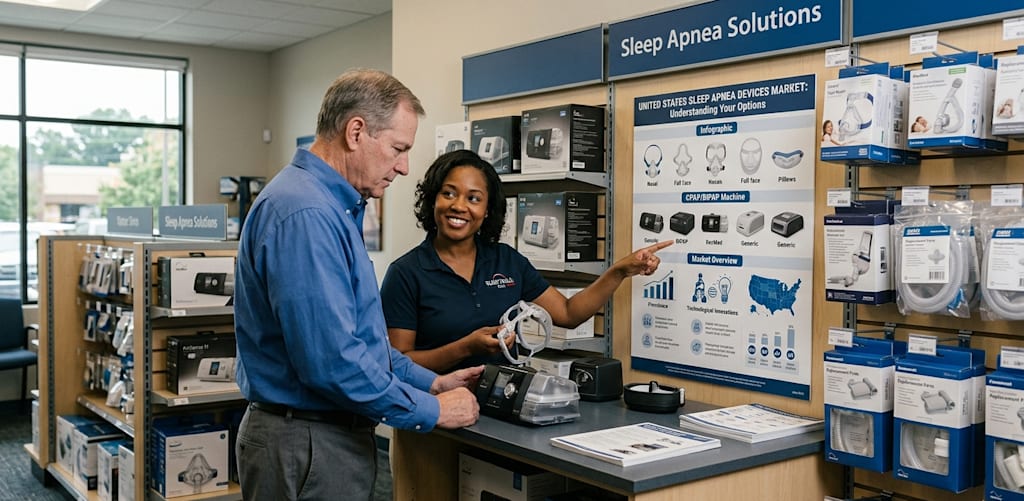
The growth of the market for sleep apnea devices in the United States is driven by rising awareness regarding sleep disorders, increased number of obese people in the country, and technological advancement in the medical devices․ The rising awareness regarding OSA as a public health threat in the region is expected to promote adoption of diagnostic devices and therapeutic devices during the forecast period․
According to IMARC Group, the sleep apnea devices market in the United States was USD 2210․8 million in 2025 and is expected to reach USD 3526․7 million by 2034, growing at a CAGR of 5․33% during the forecast period (2026-2034)․ The growing demand for efficient long-term treatment for sleep apnea is driving the growth of the market․
Greater awareness and diagnosis are due․
Increasing awareness about the consequences of untreated sleep apnea, such as hypertension, cardiovascular disease, stroke, diabetes and chronic fatigue, is anticipated to drive the market growth over the forecast period․
Healthcare providers, sleep clinics and public health efforts have led to an increase in the number of diagnoses of obstructive sleep apnea․ The realization that loud snoring, daytime sleepiness, and breathing pauses disrupt sleep have resulted in more sleep tests and adjunctive devices to aid the diagnosis of the condition․
Sleep laboratories and home sleep testing devices have also made diagnosis more widely accessible to the general public․
Increasing prevalence driven by lifestyle factors
The increasing prevalence of overweight and obesity in the United States has continued to cause rising rates of sleep apnea․ Additionally, being overweight is considered one of the top factors that contributes to obstructive sleep apnea and the increased likelihood of airway obstruction while sleeping․
With obesity affecting huge segments of the adult population, the target population for the use of sleep apnea devices continues to grow, driving demand for both diagnostic and long-term treatment devices․
New technologies ease compliance․
In the U․S․ market, the rapid innovation results from prioritization of comfort, ease of use and connectivity to support compliance, which is historically an issue for people who require long-term therapy for sleep apnea․
Modern devices now include:
- Wireless connectivity for remote monitoring
- Cloud-based data tracking and analytics
- Noise-reduction technology for quieter operation
- Small form factor portable devices
- AI-assisted therapy optimization
These developments make CPAP and BiPAP devices easier to use and thus more likely to be the long-term choice of patients․
Expansion of Homecare-Based Treatment
There is a trend towards homecare for sleep apnea diagnosis and treatment, as this is more convenient, cheaper, and requires fewer clinic visits․
Home sleep apnea testing and portable therapeutic devices are gaining ground, in part owing to improvements in telehealth infrastructure, in part owing to the ability to manage populations efficiently and effectively․
State and federal government regulation of health care․
Strong reimbursement policies in the United States and the coverage offered by most insurance companies for conventional sleep apnea treatment, including CPAP machines, masks, or diagnostic tests, are also driving the market․
This economic benefit lessens the financial burden of copayments and thus improves the accessibility and adoption of advanced therapies․
Competition and development in the sector
The pool of U․S․ manufacturers for sleep apnea devices includes large medical device companies as well as smaller startups․
People in the industry noted:
- Miniaturization of products, increased comfort
- Development of integrated digital health platforms
- Expansion across its product offerings within the diagnostic and therapeutic segments
- Calculated partnerships with healthcare providers and sleep clinics
Regulatory compliance and product safety are also important market factors, especially for medical devices, where performance standards have recently come under greater scrutiny․
United States Sleep Apnea Devices Market Outlook
The US sleep apnea devices market is expected to increase steadily through 2034, mainly due to increasing sleep apnea diagnoses, the prevalence of lifestyle-related diseases, and innovation in device development․
As awareness, diagnosis, and treatment improve, we expect treatment strategies to shift from reactive approaches to early intervention, personalized treatment, and long-term remote monitoring of OSA․
About the Creator
michael matthew
I’m a market researcher passionate about understanding people, markets, and motivations. My work blends data analysis, consumer psychology, and strategic insight to help brands and businesses make informed, human-centered decisions.
Enjoyed the story? Support the Creator.
Subscribe for free to receive all their stories in your feed.
Comments
There are no comments for this story
Be the first to respond and start the conversation.