
The RTX 5070 Ti and the Architecture of AI-Powered Gaming Desktops
As modern gaming rigs evolve, next-generation silicon shifts from raw rasterization to heavy algorithmic frame synthesis and local intelligence.

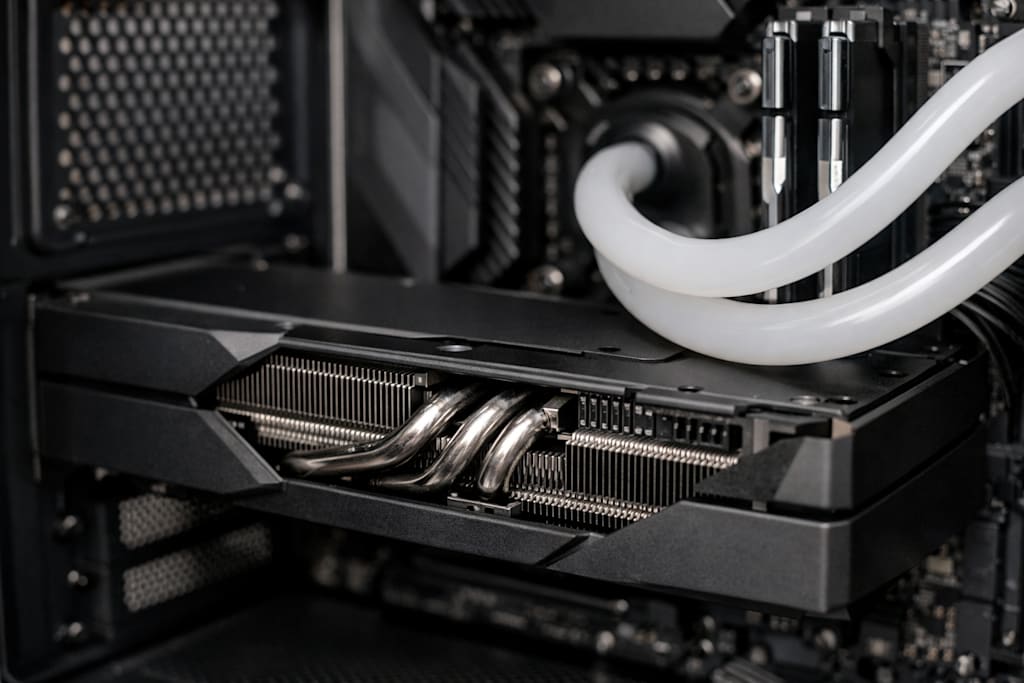
For the past decade, the performance pipeline of premium gaming desktops was measured almost exclusively by raw, brute-force hardware capabilities. Enthusiasts and system builders evaluated graphics hardware based on specialized transistor counts, memory bandwidth, and thermal dissipation limits. The goal was simple: push as many native pixels as possible through sheer hardware power.
However, as market data from mid-June 2026 demonstrates, that legacy hardware thesis has been permanently rewritten. The modern gaming desktop is no longer just a rendering engine; it is a highly specialized local computing node.
Global search tracking shows a massive, vertical 3,050% Breakout explosion in search volume for high-end systems featuring the "yeyian gaming desktop phoenix iron mesh amd ryzen 7 9800x3d geforce rtx 5070 ti ai powered" configuration. This surge in baseline market interest points directly to a crucial industry shift: consumers are demanding desktop architectures where raw silicon and advanced software algorithms are completely integrated.
The Silicon Evolution: Decoding the RTX 5070 Ti Blueprint
The massive interest surrounding this specific desktop configuration highlights the arrival of next-generation graphics infrastructure. The inclusion of the highly anticipated GeForce RTX 5070 Ti paired with the AMD Ryzen 7 9800X3D represents the sweet spot of modern gaming architecture.
Unlike previous GPU generations that relied purely on linear clock speed bumps, this new architecture leverages advanced algorithmic processing to generate performance out of thin air. Through highly optimized neural frame reconstruction, advanced ray-reconstruction pipelines, and local tensor cores, the system does not manually calculate every single photon or polygon. Instead, it utilizes predictive machine learning models trained on supercomputers to predict, upscale, and smooth out visual elements in real time.
This technical approach directly resolves the traditional performance penalty associated with path tracing and complex global illumination. By offloading rendering work to dedicated algorithmic pipelines, gaming setups can deliver blistering frame rates at ultra-high resolutions while consuming significantly less power per frame than older brute-force rendering methods.
Local Compute and the Rise of Desktop Integration
Parallel market indicators show that while the internet remains highly focused on giant cloud frameworks—with Google's "gemini ai" anchoring absolute baseline search visibility at 100%—there is a major trend toward running models locally on personal hardware.
Modern PC power users are no longer using their graphics cards solely to run heavy video game titles. The massive onboard tensor memory of units like the RTX 5070 Ti allows developers, creators, and enthusiasts to run local large language models (LLMs), operate high-velocity stable diffusion instances, and execute automated developer environments directly on their desktops without sending sensitive data to external cloud networks.
By housing an advanced processing setup inside an optimized chassis like the Phoenix Iron Mesh, users secure an independent local workstation that remains completely immune to cloud subscription fees, network lag, or third-party data privacy concerns.
The Future of Desktop Hardware: Intelligent Workstations
The momentum behind this massive hardware trend proves that the boundary separating gaming systems from professional workstations has completely dissolved. The next phase of desktop design will be driven by localized system optimization.
For hardware manufacturers, system builders, and software developers, the strategy moving forward must prioritize holistic system harmony. It is no longer enough to offer fast individual components; the future belongs to smart, highly integrated desktop systems that can seamlessly shift from generating real-time cinematic gaming worlds to executing complex data processing workflows on the fly.
Are you planning to upgrade to the new RTX 5070 Ti generation, or do you believe cloud-based computing will eventually make high-end local gaming desktops obsolete? Share your technical thoughts, hardware setups, and frame-rate analysis in the comments section below.
Determined to stay ahead of the curve on cutting-edge computer hardware breakthroughs, GPU benchmarks, and global technology trends? Support our digital platform by leaving a Like, Sharing this breakdown with your hardware community, and hitting Follow for unfiltered technical intelligence.
About the Creator
AI Lens
Exploring the profound intersection of human nature, philosophy, and the future of artificial intelligence. Writing about our evolving digital world.
Enjoyed the story? Support the Creator.
Subscribe for free to receive all their stories in your feed.
Comments
There are no comments for this story
Be the first to respond and start the conversation.