
The Rise of Mobile-First Entertainment Platforms
How smartphones are reshaping how we play, watch, and connect anytime, anywhere.

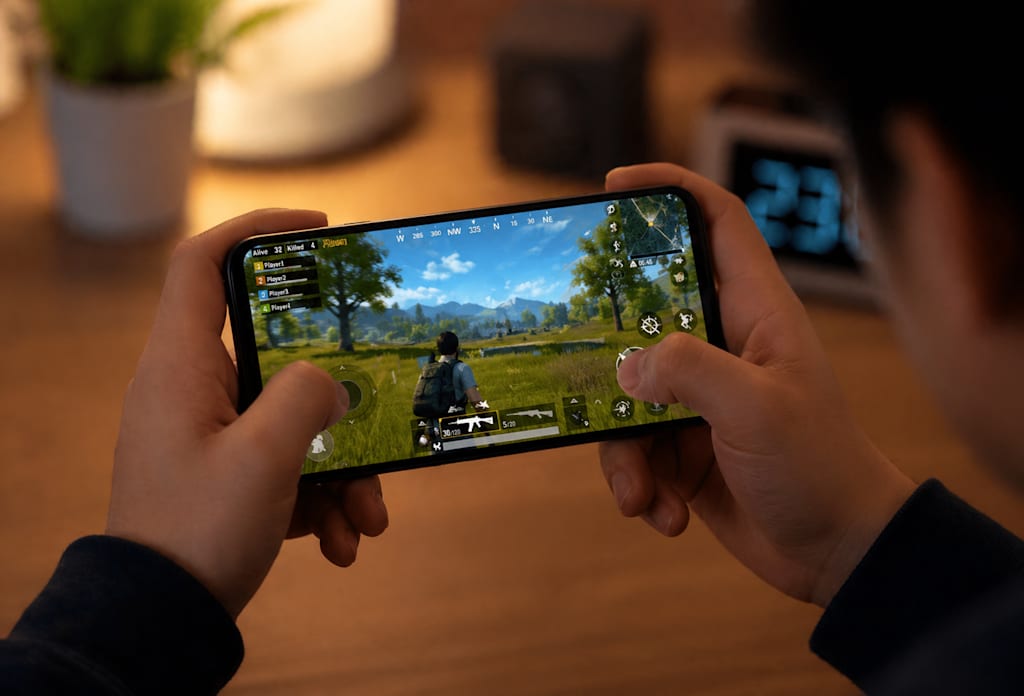
How Smartphones Are Redefining How the World Consumes Content
The process of consuming entertainment is completely transformed now. Just a few years back, an ideal setup would be a big TV screen or desktop computer. Now, the first thing that comes into billions of consumers' minds when consuming entertainment is their mobile phones.
It is not just about providing entertainment on mobile phones but about creating entertainment platforms that cater specifically to mobile devices.
What Is a Mobile-First Entertainment Platform?
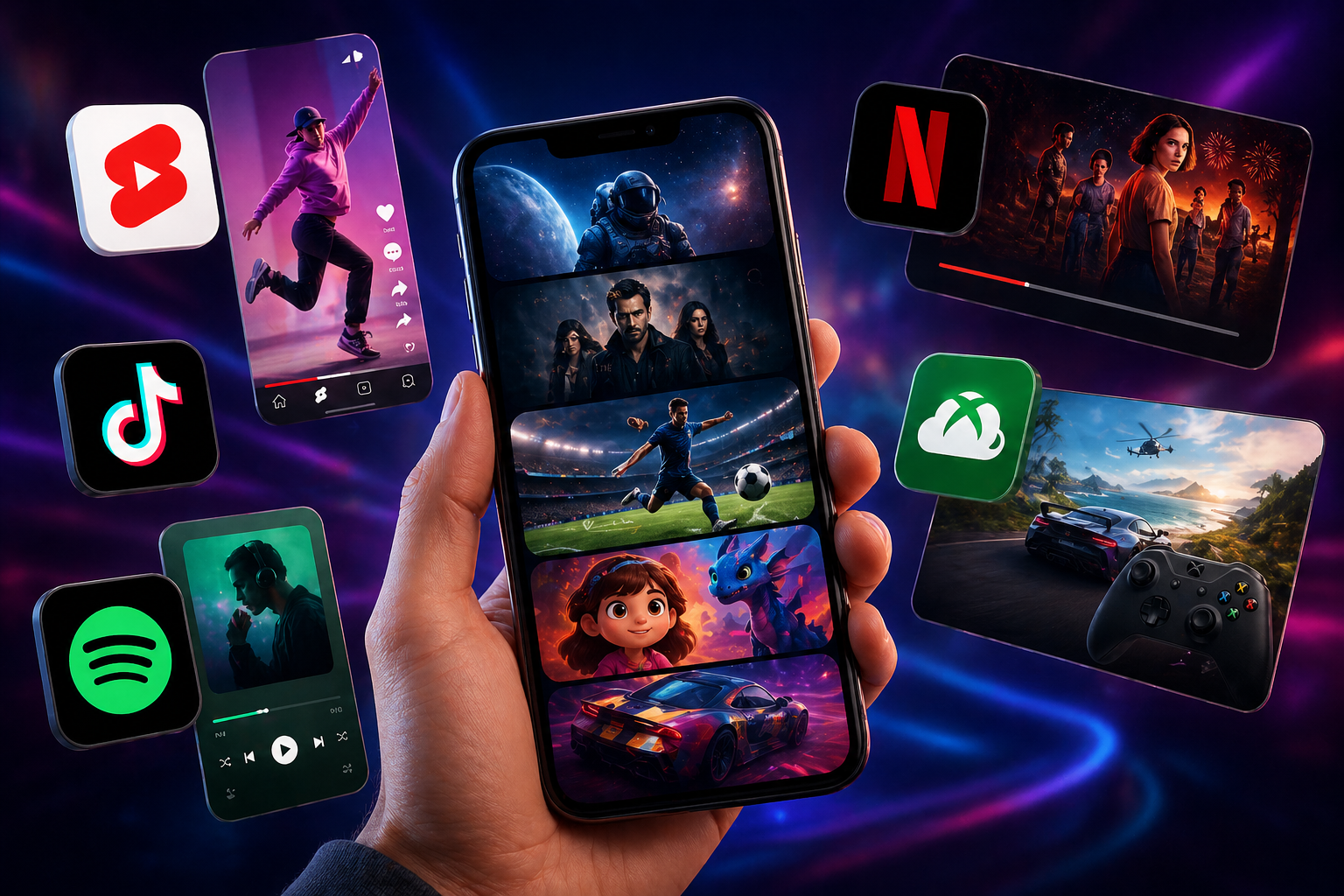
Mobile entertainment platforms are those that cater specifically to mobile phone use, which is more than just an additional feature. It involves simple and smooth touchscreen controls, a vertical user interface, quick loading times, lightweight content, and features designed for mobility.
Some examples include YouTube Shorts, Netflix Mobile, Spotify, TikTok, or even mobile cloud gaming. They aren’t just desktop applications reduced in size to fit into the mobile screen; they’re mobile applications designed specifically for mobiles.
Why Mobile-First Has Become the Industry Standard
There have been several trends that have led to this evolution:
Rapid smartphone adoption rates: In 2024, there are over 6.8 billion smartphone users around the world. In the developing regions of South Asia, Southeast Asia, and Sub-Saharan Africa, the smartphone remains the single internet-enabled device owned by an individual.
Changing user behavior: Studies reveal that users on average spend more than four hours each day on their phones. A large chunk of this usage involves entertainment including video streaming, music listening, and mobile gaming.
Increased mobile speeds and 5G: Enhanced mobile speeds have overcome one of the biggest bottlenecks in terms of consuming rich media content over a mobile network.
Ease of access through app stores: The app store ecosystem has made it extremely convenient for entertainment organizations to deploy their services.
The Business Case for Going Mobile-First
For businesses, the business sense becomes apparent immediately. First off, mobile advertising makes up the lion's share of overall digital marketing budgets. Secondly, mobile customers become progressively more profitable the better the platform's UX is tuned to their needs.
Platforms that offer a seamless mobile-first interactive platform experience enjoy higher session time on average, as well as greater rates of return visits and in-app purchases than those that consider mobile an inferior medium to cater to.
Also, mobile-first platforms benefit from having access to native features available exclusively on mobile devices such as push notifications, fingerprint authentication, offline access, and device-native sharing options.
Content Formats That Thrive in Mobile-First Environments
All content formats do not carry equal weight on the mobile device. The platforms that succeed in the mobile-first era have discovered their formula for success:
The king of short-form videos continues to reign supreme. So popular was TikTok’s vertical video format that YouTube created Shorts and Instagram created Reels, competing video products with the same format.
Podcasts or audio content is perfect for the mobile environment it can run in the background while you commute, work out, or even clean house.
Mobile games now surpass console and desktop PC games in total revenues. Casual, hyper-casual, and mid-core games have brought gaming to everyone who wasn’t already a gamer.
Live interactive content shopping, streaming, and crowd engagement is growing exponentially in Asia and starting to take off around the world.
Challenges Platforms Must Overcome
However, even with all these advantages, mobile entertainment does come with its fair share of challenges.
With screen fatigue and attention competition, platforms need to constantly battle to keep their users engaged. Users are spending less time in each session as more apps vie for the same amount of time.
Monetization is an additional challenge, especially when dealing with mobile platforms where app store revenue-sharing policies and ad blocking tendencies become key considerations.
Accessibility is of paramount importance when creating any kind of mobile entertainment service.
The Road Ahead
The trend is clear. With the evolution of augmented reality, artificial intelligence-powered content personalization, and more advanced mobile technology, entertainment platforms are becoming more immersive and personalized.
Entertainment platforms that prioritize mobile first are not just reacting to consumer trends; they’re positioning themselves right at the heart of the way that future generations will interact with culture.
The bottom line for all parties involved couldn’t be clearer. If you’re not developing a mobile-first entertainment platform, you’ve fallen behind.
About the Creator
David Lawid
David - a random writer sharing simple thoughts and interesting ideas.
Enjoyed the story? Support the Creator.
Subscribe for free to receive all their stories in your feed.
Comments
There are no comments for this story
Be the first to respond and start the conversation.