
The Next Frontier of Generative AI: Why Image-to-Video Tools Are Surging Right Now
From Seedance 2.0 to Higgsfield AI, recent search data reveals a massive shift in how creators and researchers are approaching dynamic AI video generation and content humanization.

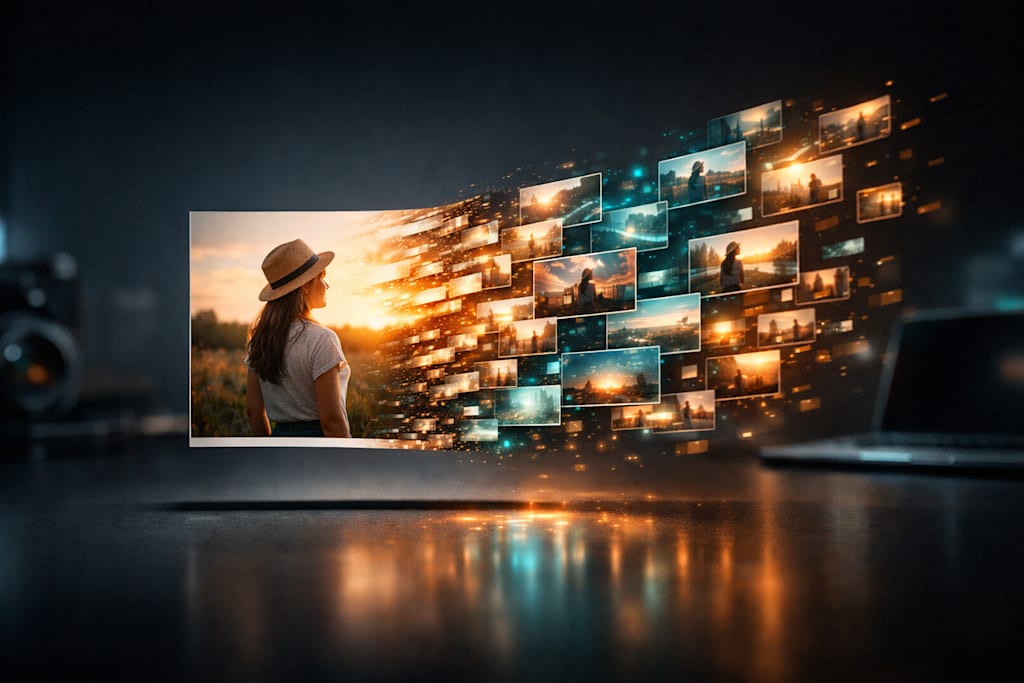
The artificial intelligence landscape is shifting at breakneck speed, and if current search trends are any indication, the next major bottleneck in content creation has just been shattered. Recent global search data highlights a massive pivot away from static AI image generation toward dynamic, fluid AI video generators—specifically, tools that convert existing images into high-fidelity video.
For researchers, developers, and digital creators, understanding this trajectory is critical. Here is a deep dive into the AI trends currently dominating search engines and what they signal for the future of the industry.
The Breakout of Image-to-Video AI
While text-to-video models like OpenAI’s Sora have dominated headlines for months, user intent tells a different story. Searches for "image to video AI" have surged by 60%, outpacing general video generation queries.
This indicates a maturing market. Creators no longer just want AI to generate video from scratch; they want precise control. By uploading a reference image—whether it’s a character design, a product prototype, or a lifestyle photo—creators are using image-to-video AI to maintain consistency in branding and style, a persistent challenge in purely prompt-driven generation.
The Rise of Specialized Contenders: Seedance 2.0 and Higgsfield AI
As the demand for video grows, users are actively seeking alternatives to mainstream, often restricted platforms. The data shows staggering search increases for specific, emerging tools:
- Seedance 2.0: Seeing a 140% increase in search interest, this tool is rapidly gaining traction as a go-to for high-quality motion synthesis.
- Higgsfield AI: With a 90% spike for "higgsfield ai free," it is clear that cost-accessible, high-tier video generation is a primary driver for the broader public.
These surges reflect a familiar tech pattern: as foundational technology (AI video) becomes understood, users hunt for the most efficient, cost-effective, and specialized applications to integrate into their workflows.
The Parallel Demand for AI Humanizers
A fascinating corollary to the video generation boom is the simultaneous 60% spike in searches for "AI humanizer" tools. As generative AI floods the internet with synthetic content, the counter-industry is booming. Content creators are using AI humanizers to rewrite AI-generated scripts, captions, and metadata so they bypass AI detectors and maintain an authentic, human-like tone. For SEO specialists and researchers, this highlights a dual ecosystem: one built on generation, the other on obfuscation and refinement.
Workflow Integration: From Figma AI to Final Video
The data also reveals how AI is embedding itself into professional pipelines. "Figma AI" saw an 80% search increase, showing that AI-assisted UI/UX design is peaking. When paired with the video generation trends, a clear workflow emerges: professionals are designing interfaces and assets in tools like Figma, exporting them, and immediately animating them via image-to-video AI.
The Bottom Line
The current search trajectory is unambiguous: the future of generative AI is kinetic. Static images and basic text prompts are giving way to controlled, image-driven video ecosystems supported by humanization tools. For tech enthusiasts and professionals, now is the time to master image-to-video workflows, as this technology is rapidly moving from experimental novelty to foundational industry standard.
In light of this massive surge in image to video technology, several critical questions come to the surface. As these tools become more accessible, how will the definition of a digital creator change in the near future? Will traditional video editing software become completely obsolete, or will it adapt to embrace these automated workflows? Moreover, as the line between artificial generation and real cinema continues to blur, how can audiences remain confident in the authenticity of the visual media they consume daily? This rapid evolution forces us to rethink the very nature of visual storytelling and digital trust. If you found these insights valuable and want to stay updated on the latest breakthroughs in artificial intelligence and tech trends, make sure to like this article and follow my profile for more in-depth analyses.
About the Creator
AI Lens
Exploring the profound intersection of human nature, philosophy, and the future of artificial intelligence. Writing about our evolving digital world.
Enjoyed the story? Support the Creator.
Subscribe for free to receive all their stories in your feed.
Comments
There are no comments for this story
Be the first to respond and start the conversation.