
The Nail Care Products Market Is Bigger Than Your Polish Collection
Wellness crossovers, clean formulas, and viral nail art are quietly reshaping an entire industry.

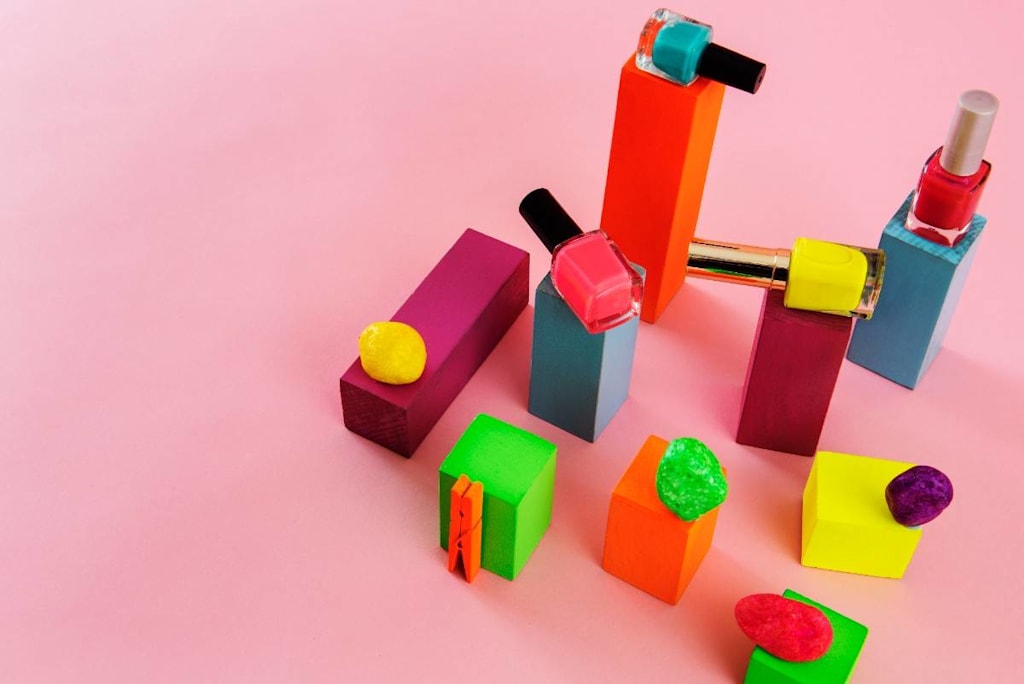
Nail Polish Is a Multi-Billion Dollar Industry — and It's Just Getting Started
The average person owns around 25 bottles of nail polish, according to beauty industry surveys — yet colour represents only a fraction of what consumers spend on their nails each year. Treatments, strengtheners, cuticle oils, gel systems, and nail tools together form a category far larger than most people picture. The Nail Care Products Market spans everything from drugstore base coats to professional UV gel systems, and it has grown with a consistency that broader beauty segments rarely match. What drives it isn't vanity alone — it's wellness thinking, self-expression, and a set of pandemic-era habits that never fully reversed. Market.us covers this segment in depth, including a free sample of the nail care industry research report with regional forecasts and competitive breakdowns.
The At-Home Habit That Outlasted the Pandemic
When salons closed in 2020, consumers who had never attempted their own gel manicure were suddenly watching removal tutorials and ordering UV lamps. Volume growth in at-home nail care that year was significant — but more consequentially, a large share of those new habits persisted long after salons reopened. Consumers who learned the basics found they preferred the cost savings, the schedule flexibility, and the creative control.
The commercial consequences were lasting. Brands that had focused almost entirely on professional salon supply pivoted toward direct-to-consumer channels. Retailers expanded nail tool and treatment sections. A new tier of semi-professional products — gel polishes, LED curing lamps, and nail prep systems priced for home use — became permanent fixtures in the beauty aisle rather than seasonal additions.
When Skincare Thinking Moved Into Nail Care
The most significant formulation shift in nail care over the past decade has been the migration of skincare standards into a category that had largely avoided that scrutiny. Consumers who read ingredient lists on their serums began applying the same lens to polish — asking about formaldehyde, toluene, and plasticisers that most buyers would not have considered a generation ago.
Brand responses have been substantive rather than cosmetic. Clean formulation claims — initially built around removing three problematic ingredients, then five, eventually ten or more — became a genuine axis of product development. Brands like Zoya and Orly built loyal followings by leading with those credentials. Nail strengtheners and cuticle treatments began incorporating peptides, biotin, and plant-derived oils drawn directly from skincare formulation practice.
Industry research on the Nail Care Products Market size reflects this shift — the fastest-growing subcategories are treatments and functional care products rather than colour alone, as consumers increasingly treat nail health as a continuation of their skincare routine.
The Nail Art Economy and Its Supply Chain
Short-form video has had an unusually direct commercial relationship with nail care. Tutorials on TikTok and Instagram Reels have made techniques previously confined to professional technicians — chrome powder, stamping plates, 3D gel sculpting, negative space designs — accessible to home users, and that accessibility has driven demand for specialist tools with no mass retail precedent.
The content-to-commerce pipeline in this category is remarkably compressed. A single viral technique can clear inventory across platforms within days. Press-on nail brands built around customisable nail art — impress, ManiMe, Static Nails — have attracted serious investment by operating directly at the intersection of trend culture and convenient application, with no salon visit required.
The Formulation Challenges Ahead
Sustainability is the next frontier. Water-based polishes, biodegradable glitter alternatives, and solvent-free removal systems are moving from indie launches toward mainstream brand development, driven by the same environmental expectations reshaping personal care broadly.
Longevity claims are also intensifying. Consumers want home products that perform at salon quality, and the brands that substantiate those claims through credible wear testing rather than aspirational copy will earn the kind of loyalty that sustains a category through trend cycles. Nail care has quietly evolved from a colour category into a care category — and that distinction is where the next decade of competition will be decided.
About the Creator
Enjoyed the story? Support the Creator.
Subscribe for free to receive all their stories in your feed.
Comments
There are no comments for this story
Be the first to respond and start the conversation.