
The Military Display Tech Inside Jets and Tanks You've Never Heard Of
Why the screens in modern combat platforms are as strategically important as the weapons they guide.

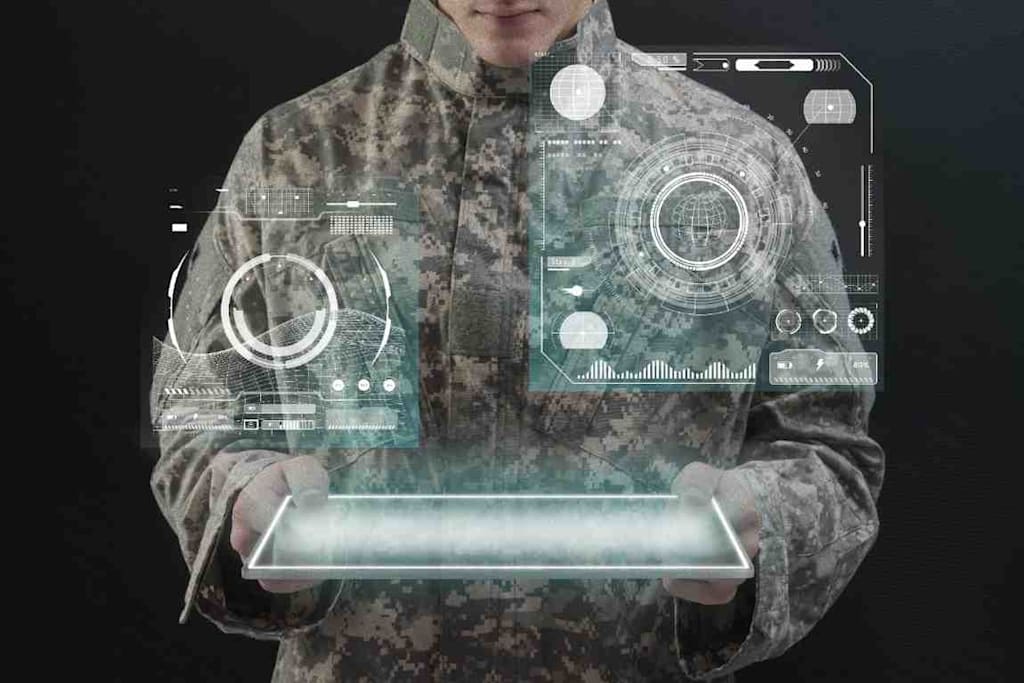
The Screens Soldiers Rely On Are More Advanced Than You Think
Walk into any modern military operations center and the first thing you notice isn't the personnel or the communications equipment — it's the walls of displays. Bright, high-contrast screens showing live drone feeds, force positions, weather overlays, and threat assessments, all updating in real time. The technology behind those screens is the Military Displays Market, and it represents one of the more quietly consequential sectors in global defense spending today.
If you work in defense procurement, aerospace, or technology investment, Market.us has published a detailed sample of their military displays research worth reviewing before drawing conclusions about where this sector is heading.
Displays Have Become Central to How Modern Militaries Fight
For most of military history, information reached commanders through maps, radio, and human messengers. Digital displays changed that permanently. Today a ground vehicle commander can see a real-time satellite overlay of their operating area, tagged with the positions of allied units and flagged threat zones, on a ruggedized touchscreen mounted inside the vehicle. A naval officer can manage damage control, weapons systems, and communications from a single integrated console.
This centralization of information into display interfaces has made the screens themselves a critical system — not a peripheral accessory. When a display fails in a civilian context, someone reboots a computer. When a display fails in a combat vehicle, the crew loses situational awareness at the moment they can least afford to.
What Makes Military Displays Technically Different
The gap between a consumer monitor and a military-grade display is wider than most people realize. It starts with environmental tolerance. Military displays must operate reliably from -46°C in Arctic deployments to over 70°C in desert environments. They must survive the vibration of tracked vehicles, the shock of weapons fire nearby, and electromagnetic interference generated by their own platform's radar systems.
Night vision goggle compatibility adds another layer of complexity. Displays used alongside NVGs must emit light at specific luminance levels and wavelengths to avoid degrading the image intensifier tubes the goggles rely on. This NVIS certification requirement applies across aviation, ground, and maritime platforms and effectively disqualifies standard commercial products from most military applications.
Sunlight readability is a further constraint. A display on the bridge of a naval vessel or in an open vehicle hatch must remain legible in direct sunlight — requiring backlighting intensities far beyond what any laptop or commercial monitor produces. Meeting all of these requirements simultaneously, in a package that can be maintained over a platform's 30-year service life, is the engineering challenge that defines this market.
Real Programs, Real Procurement
The F-35 Joint Strike Fighter's panoramic cockpit display is probably the most-cited example of where military display technology has arrived. A single curved 20x8 inch screen replaced the traditional array of separate instruments, consolidating flight data, sensor feeds, and weapons management into one adaptive interface. The helmet-mounted display extends this further, projecting targeting data directly onto the pilot's visor.
Less discussed but equally significant is the ground vehicle modernization happening across NATO armies. The U.S. Army's Optionally Manned Fighting Vehicle program, the British Army's Challenger 3 upgrade, and Germany's Puma infantry fighting vehicle all feature substantially upgraded display architectures compared to the platforms they replace. The scope of these programs — measured in units, not prototypes — represents sustained procurement demand that extends well into the next decade.
Analysts tracking the Military Displays Market note that this simultaneous modernization across aviation, ground, and naval platforms is what separates the current growth cycle from previous periods of more isolated demand.
The Direction Technology Is Heading
Augmented reality integration is the development most defense display engineers are focused on right now. Helmet-mounted systems that overlay digital information onto a soldier's natural field of view are moving from aviation-only applications into infantry and vehicle crew use cases. The engineering challenge is achieving useful display quality at acceptable size, weight, and power budgets for dismounted soldiers — a problem that is closer to being solved than the public timeline of commercial AR products might suggest.
AI-assisted interface design is the parallel trend. As unmanned systems take on more operational roles, manned platforms increasingly serve a supervisory function — and the displays in those platforms must communicate machine-generated assessments clearly enough for humans to act on them under pressure. That human factors challenge will shape display design as much as any hardware specification for the foreseeable future.
About the Creator
Enjoyed the story? Support the Creator.
Subscribe for free to receive all their stories in your feed.
Comments
There are no comments for this story
Be the first to respond and start the conversation.