
The Localized Intelligence: How Mobile OS and Video Generative AI Ended the Cloud Monopoly
The global shift toward embedded smartphone processors and instant cinematic generation is transferring computational sovereignty from corporate data centers straight to the user's pocket.

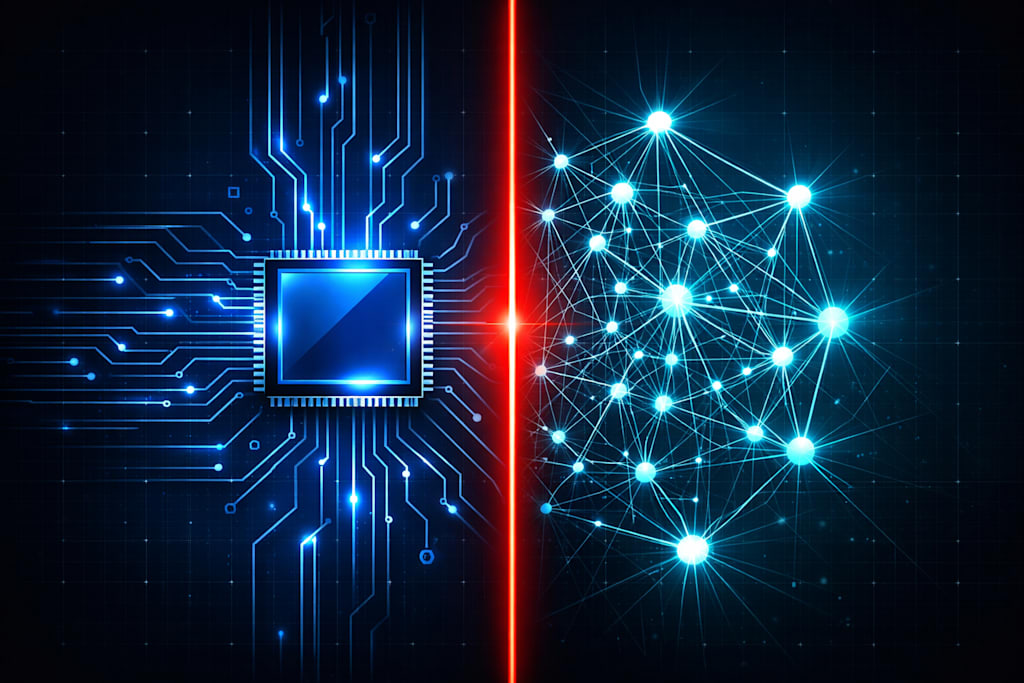
The initial era of consumer artificial intelligence was defined by a heavy reliance on the cloud. Users were tethered to massive, centralized servers, waiting for remote data centers to process prompts, generate text, or filter images. However, global search metrics from the past 24 hours signal a dramatic and structural break from this architecture.
With an explosive 3,250% surge in interest for specialized mobile intelligence features like OxygenOS 16.0, alongside a massive wave of practical tool adoption including Hailuo AI, PixVerse, and Suno, the market is clear. The digital ecosystem is aggressively moving away from corporate cloud monopolies and shifting toward localized, hyper-efficient execution platforms that run directly on consumer hardware.
The Sovereignty of the Silicon Pocket
This sudden transition is driven by a mixture of economic necessity and technological maturity. When enterprise-grade algorithmic capabilities are integrated directly into a mobile operating system's core, the traditional friction of computing disappears. Consumers are no longer searching for external web-based platforms to optimize their daily operations; instead, they are demanding that their personal devices handle complex cognitive tasks natively.
- Latency and Privacy: Local execution on modern mobile chipsets eliminates the need to transmit sensitive personal metrics to external corporate cloud servers.
- The Death of Subscriptions: Integrating advanced capabilities into the operating system level challenges the traditional subscription models of third-party utility applications.
- Contextual Ubiquity: A localized system learns directly from user behavior, schedules, and environments in real time, making corporate web platforms feel disconnected.
This shift changes the economic value of personal data. When operations happen locally on the device, the consumer regains control over their digital footprint, threatening the data-harvesting models that funded the early cloud ecosystem.
The Creative Proletariat: Instant Cinematic Generation
Simultaneously, the rise of specialized video and audio generation tools like PixVerse, Higgsfield, and Suno proves that creative production is becoming thoroughly decentralized. The creative ecosystem is transitioning from a period of high-cost professional software dominance to an era of instant, democratic creation.
The immediate popularity of automated face swapping, advanced photo layers, and generative video systems isn't just a fleeting entertainment trend. It represents the birth of a new creative class that can produce cinema-quality visual assets and studio-grade audio tracking with zero capital investment. This democratization forces traditional studios and media companies to reconsider what makes creative labor valuable when the tools for advanced production are freely available to anyone with a smartphone.
The Matrix of Decentralized Infrastructure
Ultimately, what we are witnessing is the fragmentation of the digital matrix. The centralized monopolies that dominated the early stages of generative technology are losing their grip on consumer attention. As mobile hardware becomes capable of executing complex models locally and creative tools become completely democratized, the power dynamic shifts back to the individual user.
The future of digital distribution will belong to the platforms that don't force users into artificial cloud dependencies. Instead, success will favor frameworks that quietly empower the user's personal hardware, transforming every individual smartphone from a mere consumption screen into a fully autonomous, hyper-localized node of creative and computational production.
How is the shift toward localized smartphone intelligence changing your daily content workflow? Are you ready to abandon cloud-based platforms for tools that run entirely on your personal device? Let's discuss the future of decentralized tech in the comments.
Enjoyed this structural breakdown? If you found this data-backed analysis of the changing digital landscape valuable, please hit the Like button, Share it with your professional network, and Follow my profile for more specialized tech insights!
About the Creator
AI Lens
Exploring the profound intersection of human nature, philosophy, and the future of artificial intelligence. Writing about our evolving digital world.
Enjoyed the story? Support the Creator.
Subscribe for free to receive all their stories in your feed.
Comments
There are no comments for this story
Be the first to respond and start the conversation.