
The Hidden Habit That Could Be Driving the Global Obesity Crisis
New research is drawing attention to the connection between sugary drinks, weight gain, and the daily habits of young people.

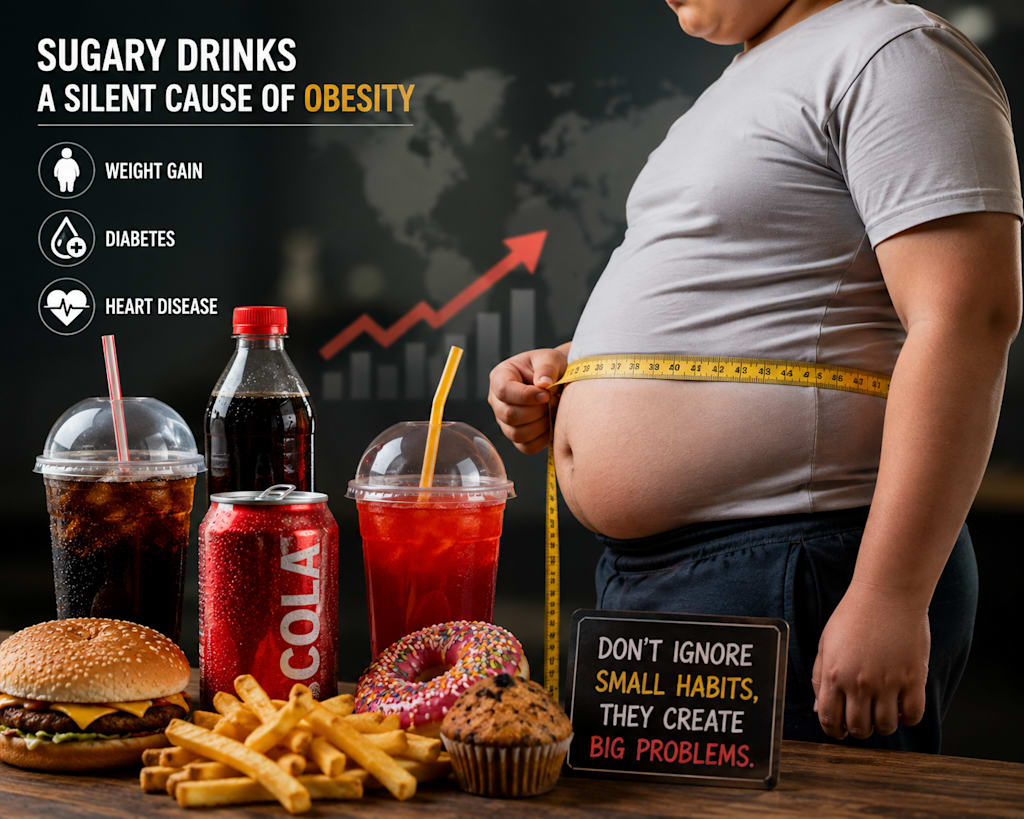
For years, people have been told that gaining weight is mainly about eating too much and exercising too little. While food choices and physical activity certainly matter, researchers are increasingly looking at another everyday habit that may quietly contribute to the growing obesity problem: drinking sugary beverages.
Obesity has become a major health concern around the world. It is associated with a higher risk of several chronic conditions, including type 2 diabetes, cardiovascular problems, and some forms of cancer. What makes the problem especially concerning is that obesity is becoming increasingly common among young people.
A recent study has drawn attention to the relationship between sugary drinks and body weight among students and young adults. Researchers examined data from more than 400,000 students attending educational institutions across 107 countries and regions. They looked specifically at how often young people consumed soft drinks and whether frequent consumption was associated with obesity.
The findings pointed toward a clear pattern: young people who regularly consumed sugary beverages were more likely to have obesity.
According to the research, drinking a sugary beverage once or more every day was associated with a significantly higher likelihood of obesity. The researchers said their findings add to previous clinical trials and studies that have already suggested a connection between sugar-sweetened drinks, weight gain, and long-term health risks.
One reason sugary drinks can be easy to overlook is that they do not always feel like a meal. A person can drink a bottle of soda in a few minutes without feeling as full as they might after eating food containing a similar number of calories. When that drink becomes a daily habit, those extra calories can gradually add up.
The issue is not limited to teenagers or students. Earlier research has also found a relationship between sugary drinks and weight gain in adults. A joint study involving researchers from Harvard University and the University of Toronto analyzed data from dozens of studies conducted over the previous decade.
That research found that sugary beverages, including soda, were associated with increases in body weight and a greater risk of chronic health problems. The researchers also reported that consuming one additional serving of soda each day was linked with gradual weight gain.
On its own, a small yearly increase may not sound alarming. But the important point is that weight gain can accumulate over time. A habit that seems harmless today can become significant after several years.
This does not mean that drinking one soft drink automatically causes someone to become obese. Body weight is influenced by many factors, including genetics, overall diet, physical activity, sleep, stress, and other lifestyle factors. However, reducing unnecessary sugary drinks can be a simple step for people who want to improve their daily habits.
The bigger lesson is that small everyday choices can have much larger effects when they are repeated for years.
A sugary drink once in a while may be very different from drinking one every day. Replacing soda with water, unsweetened tea, or another low-sugar option can reduce the amount of added sugar consumed without requiring a complete lifestyle overhaul.
For parents, schools, and communities, the findings also highlight the importance of making healthier drinks easier for young people to choose. Education can help, but the environment around young people matters too.
The obesity problem is complicated, and there is no single habit responsible for it. Still, sugary drinks are one part of the picture that individuals can often change relatively easily.
The next time you reach for a soft drink, it may be worth asking yourself a simple question: Is this something I really want, or has it simply become a habit?
Sometimes, improving your health does not begin with a dramatic transformation. It begins with one ordinary choice, repeated consistently.
About the Creator
Enjoyed the story? Support the Creator.
Subscribe for free to receive all their stories in your feed.
Comments
There are no comments for this story
Be the first to respond and start the conversation.