
The Future of the Internet: Navigating the Shift to Decentralized Web
Discover how Web 3.0, powered by AI, blockchain, and decentralization, promises a more secure, transparent, and user-centric internet for the future.

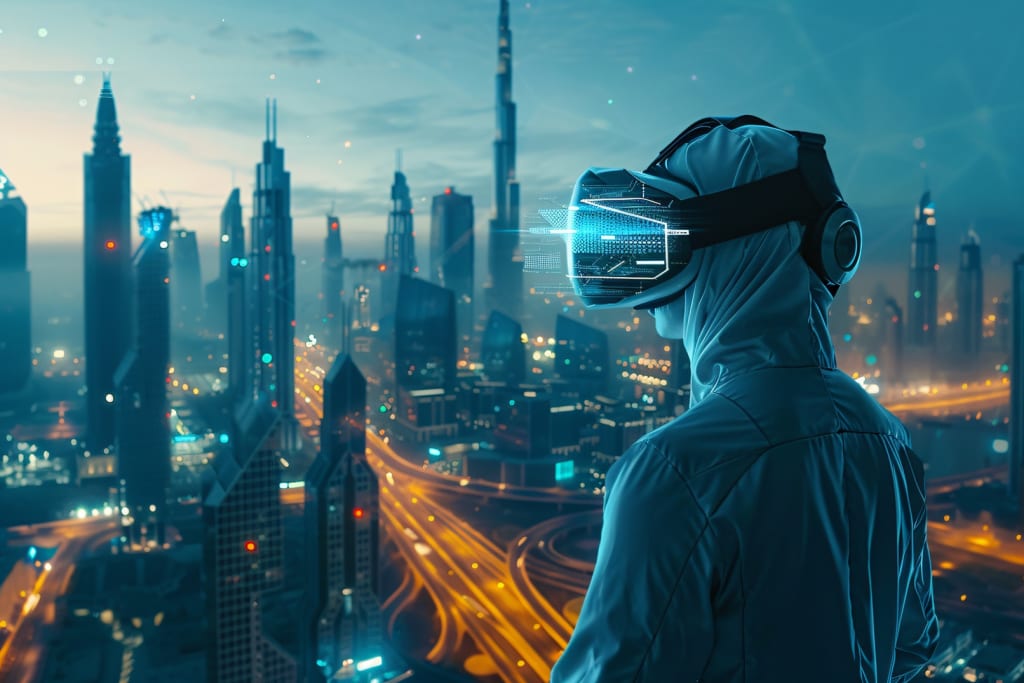
The internet has undergone a huge transformation since its initiation of Web 1.0 and Web 2.0. The first generation of the internet was Web 1.0 which provided a static and one-dimensional platform. The platform had facilitated data and information to their users mainly through text-based web pages and sites thus limiting their interactions.
Viewing and recognizing the very limitations of Web 1.0, the subsequent Web 2.0 innovated to feature dynamic and interactive web applications, and social media platforms like Facebook, and X (the former Twitter) instead. Also, this expansion has enabled users to meet with one another without the implementation of any kind of barrier. More than that, this change has also shifted people's manner of e-communication and information distribution online compared to then.
The next and present stage in this evolution is Web 3.0, the future of the internet. It's the emerging technologies and ideas set that aim for an improved web that is intelligent, decentralized, and secure. The main point is to use Web 2.0 principles but upgrade them by using new technologies such as AI, ML, and blockchain. It is also known by the name of the semantic web and decentralized web because it supports semantic data, decentralized infrastructure, and novel forms of trust. Let us dive deeper into the technologies that are used in web 3.0 development.
Key technologies shaping the future of the internet
The future of the internet i.e., web3.0, is utilizing different technologies to facilitate users with more control over their data and online interactions. Let us explore how Web 3.0 is harnessing technologies to provide multiple benefits to its users such as decentralization, interoperability, and intelligence. Read on for more details.
1. Semantic web
It is a set of principles and technologies that allows machines to comprehend the meaning of data on the web. The semantic web is a crucial technology of Web 3.0 as it improves data interoperability between systems and networks, its discovery, and reuse. Further, it makes use of common labels and rules that help machines understand and connect data from various sources in an easy manner. Overall, this helps in increasing the accuracy and efficiency of applications like search engines, recommendation systems, and chatbots.
2. Blockchain
Blockchain technology has given us a new way to keep records where we don't necessarily need a central authority to be involved. This system has transformed how we conduct transactions, making them secure, unchangeable, and clear without involving any middlemen. When coupled with Web 3.0, blockchain development is expected to cause significant disruptions in various sectors such as digital identity, decentralized finance, and healthcare record management. NFTs, Ethereum, and Bitcoins are some examples of blockchain-based applications that enable decentralized digital currency transactions using smart contract functionality.
3. Internet of Things
IoT is not really a part of Web 3.0 yet is often included as one of the various technologies that can greatly help the Web 3.0 ecosystem. It has the potential to allow newer forms of data collection, processing, and sharing in Web 3.0 that can lead to more customized and contextualized experiences for all its users. Moreover, businesses and organizations can also utilize it to increase efficiency and lower supply chain management, logistics, and smart city costs.
4. AI
Technologies like AI and ML enable one-on-one interactions and conducting operations more conveniently through improved decision-making, data analysis, and process automation. Moreover, it proposes decentralization, interoperability, and distributed ledger for a better, more secure, and transparent internet.
The Future of the Internet: What Benefits Does It Offer?
Let us get to know about the benefits of Web 3.0 and how it is simplifying the lives of common people every day.
1. Data decentralization and democratization
Thanks to Web 3.0's decentralized structure, there is now a possibility to get rid of the centralized control and possession of data. It makes it possible for people to hold and share their data or information on decentralized networks where they are the ones with the right to ownership. The application of public blockchain technologies has been ensuring the highest level of transparency, which in turn, makes it more difficult for someone to hack into your system or data.
2. Enhanced user experience and personalization
The future of the internet is designed by keeping users and consumers in center stage and therefore it facilitates better user experience and customization than Web 1.0 and Web 2.0. The decentralized and self-sovereign identity solutions of Web 3.0, in addition, give power to users to control their data, which, in turn, brings about a more safe and personalized experience. One more thing, through tailored content broadcasting and decentralized web 3.0 marketplaces, users not only get to enjoy improved control over the content they want to consume but also the products they want to purchase.
3. Improved Interoperability
The Web 3.0 interoperability solutions let different decentralized networks and protocols work together towards the best possible collaborative work. To name just a few of these solutions, we have decentralized exchanges and cross-chain communication protocols that allow users to swap trade cryptocurrencies among many different blockchains. This way of working leads to better scalability, efficiency, and innovation in the Web 3.0 environment.
Conclusion
It is easily understood that Web 3.0, still in its nascent stage, will be the next major leap for the internet. This is achieved by the fact that it gives users more control, ownership, and privacy over data by utilizing a decentralized and distributed system. Apart from its advantages, web 3.0 uses blockchain technology, as well as artificial intelligence and other significant decentralized protocols to provide customers with secure, transparent, and compatible services.
Nevertheless, to take full advantage of Web 3.0, we should achieve a few goals. This may include the complexity of the system, the huge cost of setting it up, legal and regulatory issues, and the lack of cooperation of Web 2.0 companies that currently rule the market. To break these barriers, developers can prioritize intuitive interfaces and simplified user experience. Moreover, leveraging decentralized networks can also help in lowering the costs of setting up Web 3.0 infrastructure. By getting past these challenges of Web 2.0, we shall be able to make the most of Web 3.0 and modify the ways of internet use.
About the Creator
Sam Grey
I’m Sam Grey, a passionate tech enthusiast exploring the world of emerging technologies like AR/VR, IoT, Web 3.0, and more. If you’re as passionate about tech as I am, follow me to stay informed and engaged!
Enjoyed the story? Support the Creator.
Subscribe for free to receive all their stories in your feed.
Comments
There are no comments for this story
Be the first to respond and start the conversation.