
The Edible Cosmetics Market Is Beauty Turned Inside Out
Ingestible skincare is moving from niche novelty to a fast-growing category with real clinical backing.

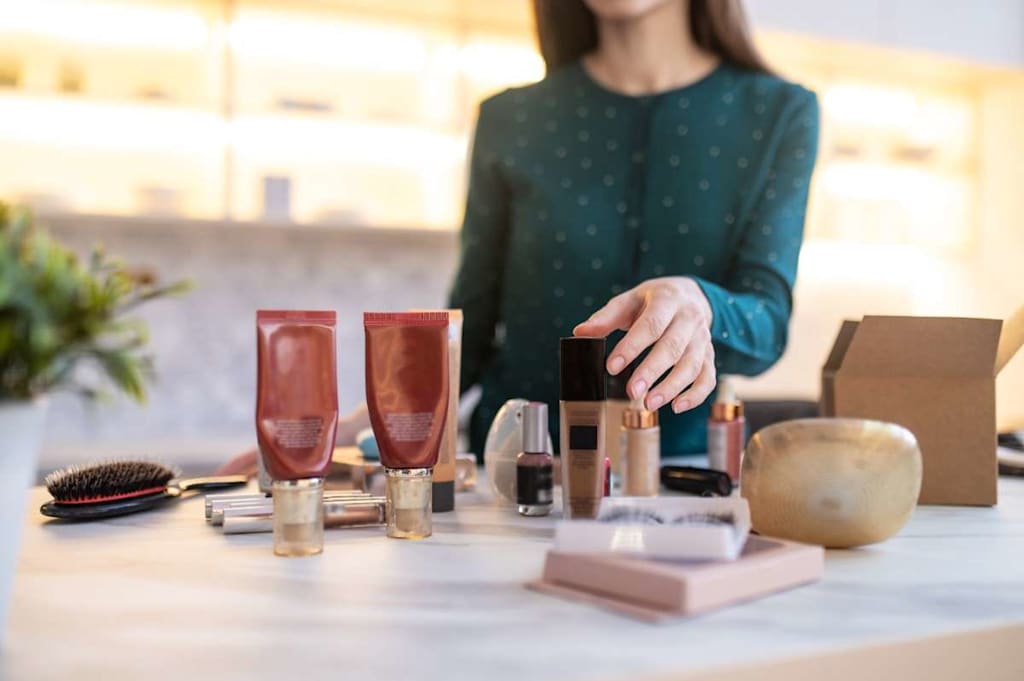
The Beauty Product You're Actually Supposed to Eat
Skincare has always worked from the outside in. But a growing body of research — and a growing number of brands — is making the case that lasting skin health works just as effectively from the inside out. Edible cosmetics, products formulated to deliver beauty benefits through consumption rather than topical application, have moved well past novelty. The edible cosmetics market is expanding as consumers connect the dots between nutrition, gut health, and visible skin outcomes in ways that weren't part of mainstream beauty conversation a decade ago.
The segment-level data behind this shift goes deeper than most trend coverage — access the full industry dataset if the numbers are relevant to your work.
Beauty From the Inside Out
The concept isn't entirely new. Collagen supplements, biotin gummies, and vitamin C capsules have existed for decades. What has changed is the sophistication of formulations, the clinical evidence behind the claims, and the consumer willingness to treat beauty as a systemic outcome rather than a surface-level one.
Today's edible cosmetics span a wide range — drinkable collagen shots, beauty-focused probiotic supplements, antioxidant powders, hyaluronic acid capsules, and functional foods explicitly positioned around skin, hair, and nail outcomes. The category sits at the intersection of nutricosmetics, functional food, and wellness, which gives it unusual distribution breadth across both pharmacy and health food retail channels.
What's driving adoption is fairly logical: consumers who already take supplements, track nutrition, and scrutinise ingredient labels on their moisturisers are a natural audience for products that extend that same thinking inward. The ingredient transparency culture that reshaped topical skincare has now arrived in the ingestible space.
The Market Data Behind the Growth
Japan has been ahead of this curve for decades. Collagen drinks and beauty supplements are mainstream consumer products across Japan, South Korea, and much of East Asia — markets where ingestible beauty was never treated as fringe. That cultural precedent matters because it provides both proof of concept and a product development template that Western brands are actively studying.
Research on the edible cosmetics market size points to Asia-Pacific maintaining its lead in share and innovation pace, while North America and Europe show the steepest growth trajectories as consumer awareness builds and clinical evidence accumulates. The premium supplement and functional food channels are where most of that Western growth is concentrating — the same consumers spending on high-quality topical skincare are showing equivalent willingness when ingestible benefit claims are backed by evidence.
Collagen as the Category Anchor
Collagen supplements remain the most commercially established segment within edible cosmetics, and the clinical literature has strengthened considerably over the past decade. A widely cited 2019 study published in the Journal of Drugs in Dermatology found statistically significant improvements in skin elasticity, hydration, and density across multiple oral collagen supplementation trials.
Brands like Vital Proteins, HUM Nutrition, and The Beauty Chef have each built substantial businesses on this foundation, approaching the category from distinct angles — sports nutrition crossover, clinical supplement positioning, and fermented whole-food formulations respectively. The fact that three meaningfully different brand identities can coexist within a single ingredient story suggests this category has room for real diversity rather than converging on one dominant format.
What Comes Next
The category's near-term trajectory will likely hinge on two things: clinical validation and format innovation. Consumers in this space are research-literate — they look for peer-reviewed evidence rather than vague wellness language. Brands that invest in genuine clinical studies will build the kind of credibility that outlasts trend cycles.
Format innovation is the other lever. Gummies, powders, shots, capsules, and functional foods each reach a different consumer occasion and distribution channel. Brands figuring out how to integrate across multiple formats — a morning powder, a midday capsule, a functional drink — are building daily habit integration that makes a beauty supplement genuinely sticky.
Edible cosmetics will not replace topical skincare. But the consumers who understand skin biology well enough to layer serums and SPF are the same ones most likely to add an ingestible layer to their routine. That overlap is what makes this category's long-term outlook look durable rather than trend-dependent.
About the Creator
Enjoyed the story? Support the Creator.
Subscribe for free to receive all their stories in your feed.
Comments
There are no comments for this story
Be the first to respond and start the conversation.