
The Diaphragm Pump Market Is Quietly Powering Industry's Next Chapter
From pharma labs to wastewater plants, this unassuming pump technology is becoming indispensable.

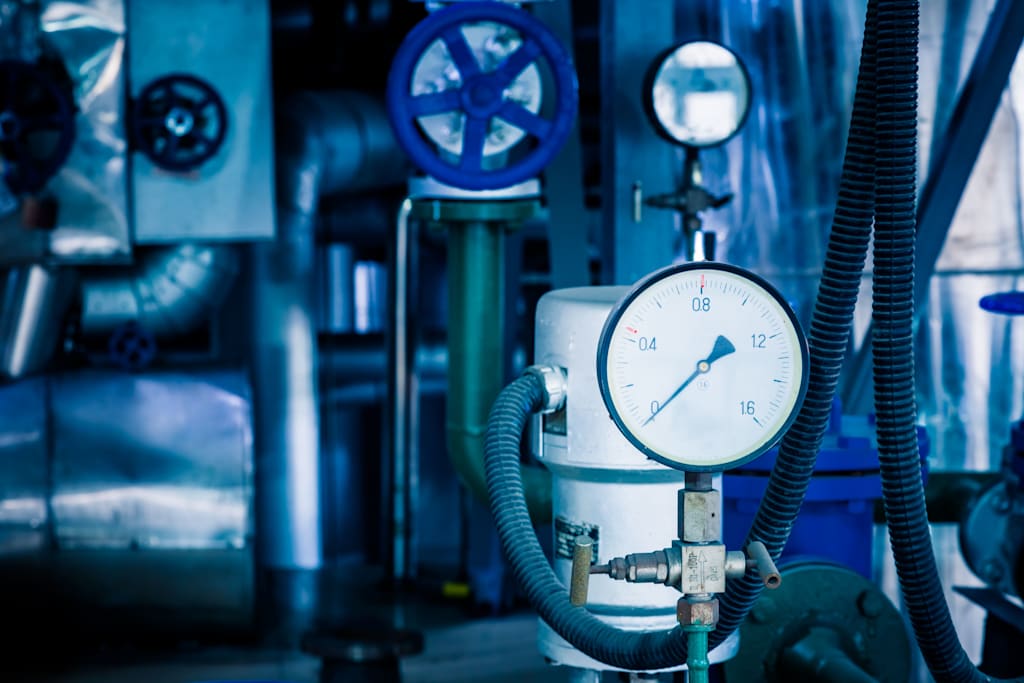
The Diaphragm Pump Market Is Quietly Powering Industry's Next Chapter
Walk into almost any chemical plant, water treatment facility, or pharmaceutical lab today, and you'll likely find a diaphragm pump working in the background. These machines rarely make headlines, but they're solving a problem that matters more than ever: moving fluids safely, precisely, and without contamination. The diaphragm pump market has become a focal point for engineers and investors tracking industrial fluid-handling technology. Demand keeps rising steadily as industries seek equipment that can handle corrosive chemicals, viscous liquids, and sensitive formulations without leaking or breaking down.
Before going further into the forces driving this growth, it's worth noting that detailed market breakdowns are available for those who want a closer look. Analysts seeking a granular view of segment data, regional forecasts, and competitive positioning can request a complimentary research sample to see how the numbers stack up.
Drivers Behind the Growth
Diaphragm pumps offer a simple advantage: they isolate the pumped fluid from moving mechanical parts using a flexible diaphragm. This makes them ideal for handling hazardous, abrasive, or high-purity substances. Pharmaceutical manufacturers, for instance, rely on these pumps to transfer sensitive compounds without risking contamination — a non-negotiable requirement under strict regulatory frameworks like the FDA's current good manufacturing practices.
Water and wastewater treatment is another major growth driver. As municipalities upgrade aging infrastructure, diaphragm pumps are increasingly chosen for their ability to handle sludge and chemical dosing reliably. A real-world example comes from desalination projects in the Middle East, where diaphragm pumps support precise chemical dosing in pretreatment systems, helping plants maintain water quality while minimizing maintenance downtime.
A Shift Toward Smarter, More Efficient Pumps
One of the more interesting trends shaping this space is the integration of digital monitoring into pump systems. Manufacturers now build diaphragm pumps with sensors that track performance metrics in real time, flagging wear before it leads to failure. This shift toward predictive maintenance is changing how plant managers approach equipment lifecycle costs. Instead of reactive repairs, facilities can schedule maintenance based on actual usage data, reducing unplanned downtime significantly.
Energy efficiency is also pushing innovation forward. Air-operated double diaphragm pumps, long valued for their simplicity, are being redesigned with more efficient air valve systems that cut compressed air consumption — a meaningful cost saving for facilities running pumps continuously.
Regional Dynamics Worth Tracking
Growth isn't evenly distributed across the globe. North America and Europe continue to lead in adoption due to stringent environmental and safety regulations governing chemical and pharmaceutical processing. Asia-Pacific is emerging as the fastest-growing region, driven largely by expanding manufacturing bases in China and India, along with increased investment in water infrastructure across Southeast Asia.
For companies evaluating expansion plans or new equipment investments, understanding these regional patterns is critical. Industry observers tracking the broader diaphragm pump market have noted that supply chain localization is becoming a priority, with manufacturers setting up regional production hubs to reduce lead times and tariff exposure.
The Role of Sustainability
Sustainability concerns are also reshaping product design. Diaphragm materials continue to evolve, with manufacturers exploring more durable, chemical-resistant polymers that extend pump lifespan and reduce replacement frequency. This matters not just for cost savings but for reducing industrial waste — an increasingly important metric as companies face pressure to report on environmental impact.
Some manufacturers are also exploring recyclable diaphragm materials, a small but telling sign of how sustainability considerations are filtering down even into component-level engineering decisions.
Looking Ahead
The diaphragm pump's appeal lies in its versatility — it can move almost anything, from corrosive acids to delicate pharmaceutical compounds, without compromising safety. As industries continue prioritizing precision, contamination control, and operational efficiency, this technology is likely to find new applications beyond its traditional strongholds.
What seems clear is that diaphragm pumps are no longer just a niche industrial component. They're becoming a quiet but essential part of how modern industries manage fluids responsibly and efficiently. As automation, digital monitoring, and sustainable materials continue to advance, the next generation of these pumps may look quite different from the rugged, mechanical workhorses currently found on plant floors — smarter, more efficient, and built for a future where precision and environmental responsibility go hand in hand.
About the Creator
Hazel Williams
Building, learning, and growing every day.
Enjoyed the story? Support the Creator.
Subscribe for free to receive all their stories in your feed.
Comments
There are no comments for this story
Be the first to respond and start the conversation.