
The Conveyor Oven Market Is Cooking Up Quiet, Steady Growth
No hype, no viral trend — just QSR expansion, automation, and energy efficiency driving demand.

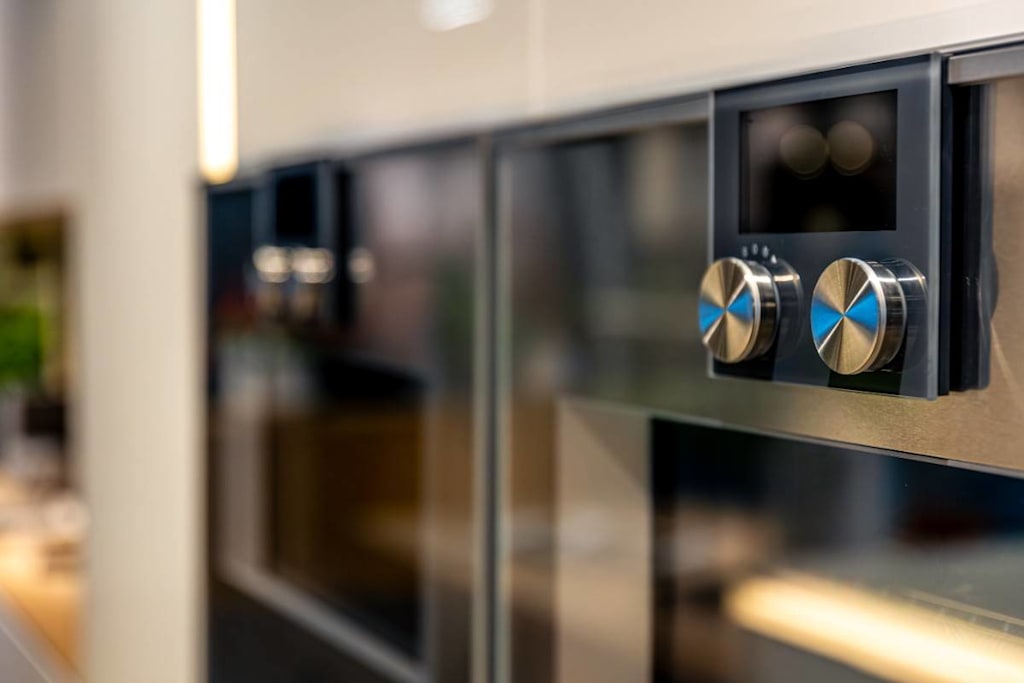
Walk into nearly any fast-food kitchen and there's a good chance a conveyor oven is doing the heavy lifting behind the counter. It's not a glamorous piece of equipment, but the conveyor oven market reflects just how essential it's become to modern foodservice. Valued at around 230.9 million dollars in 2025, the market is projected to reach roughly 316.4 million dollars by 2035, growing at a modest but consistent 3.2 percent annually. This isn't a category chasing trends. It's one built on replacement cycles, automation demand, and the simple math of feeding more people faster without sacrificing consistency.
Anyone curious about how that growth splits across oven type, power source, and end-user can request a complimentary copy of the underlying sample data to review the full numbers.
Belt Ovens Dominate Because Consistency Beats Complexity
Among the various formats, belt conveyor ovens hold the largest share at 43.28 percent in 2025, and the reason isn't complicated. These systems move food through a heated chamber at a steady, programmable pace, which means a burger chain in Ohio and one in Singapore can produce nearly identical results without relying on a skilled cook's judgment. That kind of standardization is the entire point for operators running dozens or hundreds of locations.
Electric models lead by power source too, commanding 52.10 percent of the market, largely because they offer tighter temperature control and fit more easily into urban kitchens with limited gas infrastructure. Convection heating, meanwhile, dominates by technology at 64.82 percent, since forced air circulation cooks more evenly and cuts down on the babysitting that older oven designs required.
QSRs Are the Engine Behind This Market
It's no surprise that quick-service restaurants account for the largest end-user share, at 49.27 percent. The entire business model of a QSR depends on speed and repeatability, and conveyor ovens deliver exactly that without needing a trained chef monitoring every batch. As global chains keep opening new locations, particularly across Asia Pacific and Latin America, that demand for standardized, low-labor cooking equipment isn't slowing down.
That said, growth in the broader Conveyor Oven Market isn't limited to QSRs anymore. Full-service restaurants are adopting conveyor systems to handle peak-hour volume while freeing up staff to focus on plating and service, and food processing facilities are integrating industrial-grade conveyor ovens directly into automated production lines. The same core technology is quietly expanding its footprint well beyond the drive-through window.
Energy Efficiency Has Become a Real Selling Point
One of the more concrete shifts shaping product design right now is energy performance, and the numbers are specific enough to matter. According to metos.com, conveyor ovens with stand-by mode reduce deck temperature by 25 percent, which translates into 20 to 30 percent energy savings during idle periods, a meaningful figure for any operator running ovens for ten-plus hours a day. Separately, modern systems with smart technology can cut cooking times by up to 20 percent, according to culinarydepotinc.com, which compounds into real throughput gains over a full shift.
Regulatory standards are reinforcing this shift rather than just encouraging it. Illinois building code data shows high-efficiency natural-gas conveyor ovens must clear a baking energy efficiency threshold above 42 percent to qualify for certain efficiency programs, and ovens need a conveyor width greater than 25 inches to even be eligible. That's no longer a vague sustainability talking point, it's a specific compliance bar manufacturers are designing around.
Consolidation Signals a Market That's Maturing
The clearest sign that this market has entered a more mature phase is who's buying into it. In December 2025, investment firm 26North agreed to acquire a 51 percent stake in Middleby's commercial division, a deal that reshuffled one of the sector's largest manufacturers. Just a few months earlier, in September 2025, Middleby had introduced LongWave infrared conveyor oven technology, signaling continued investment in faster, more energy-efficient cooking even as ownership structures shifted underneath it.
That kind of activity, a major acquisition paired with active product innovation from the same company, suggests this isn't a market coasting on legacy equipment. It's one where capital is still flowing toward better engineering, even if the overall growth rate looks unremarkable on paper.
What's ahead for conveyor ovens probably won't look dramatic from the outside. There's no viral product launch waiting in the wings. But between tightening energy codes, the steady global march of QSR chains into new markets, and manufacturers racing to build smarter, more efficient systems, this market is positioned to keep growing the same way it always has: quietly, steadily, and almost entirely behind the scenes of every fast meal served.
About the Creator
Enjoyed the story? Support the Creator.
Subscribe for free to receive all their stories in your feed.
Comments
There are no comments for this story
Be the first to respond and start the conversation.