
The Centuries-Old Hair Ritual the Beauty Industry Just Caught Up To
Rice water went from a kitchen byproduct to a global haircare category almost overnight.

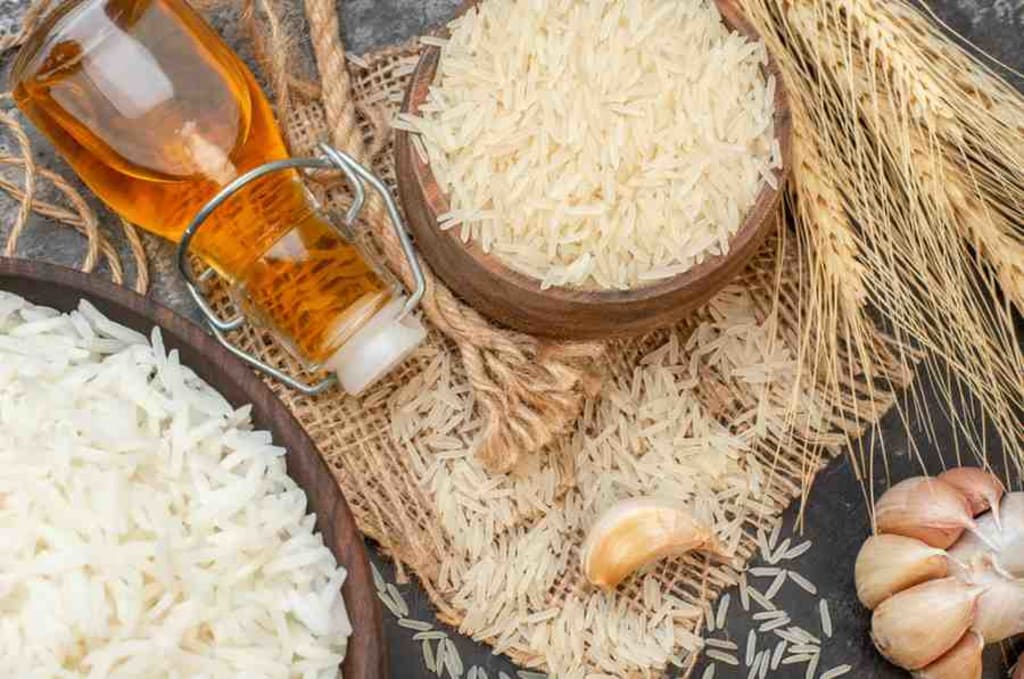
A Kitchen Staple Becomes a Beauty Standard
For generations, women in rural Japan and parts of southern China rinsed their hair with the starchy water leftover from washing rice — a practice with no marketing budget, no influencer campaign, just generational habit passed down without a single ad. That same liquid is now bottled, branded, and sold in serums, conditioners, and leave-in treatments across continents. The shift from kitchen byproduct to retail category is exactly what's driving growth in the rice water haircare products market, a segment that has expanded well beyond its cultural origins faster than most traditional beauty trends typically do.
Sales of dedicated rice water lines have grown unevenly across regions, with East Asian markets retaining the strongest base while North America has driven much of the category's recent expansion, a pattern broken down in more depth in a regional research summary on the category.
Why Rice Water, Specifically
The science behind rice water's popularity isn't purely anecdotal. Rice water contains inositol, a carbohydrate that has shown an ability to bind to damaged hair shafts and reduce surface friction, along with amino acids and trace vitamins that support hair strength. Research on Yao women in Huangluo, China — a community known for hair that frequently reaches floor length — is frequently cited in beauty media as long-term anecdotal support for the practice, even though formal clinical studies remain limited.
What's notable is that the ingredient's popularity grew almost entirely through word-of-mouth and social content rather than traditional advertising, which is part of why brands moved quickly to formalize it into shelf-stable, standardized products instead of leaving it as a DIY kitchen remedy.
From DIY Trend to Retail Shelf
The transition from homemade rice water rinses to commercial products tracks a familiar pattern in the beauty industry: a low-cost DIY trend gets validated by visible results, and brands move in to formulate a more convenient version. Fermented rice water in particular has become a premium positioning angle, with brands citing traditional fermentation methods used in Korean and Japanese beauty practices as a point of authenticity.
Major haircare brands have launched dedicated rice water lines over the past several years, and the category has expanded from a single hero product into full routines — shampoo, conditioner, mask, and leave-in spray formats are now standard across most brand launches in this space. Full-routine expansion like this typically signals a brand sees long-term category potential rather than treating an ingredient as a passing trend.
Where Growth Is Concentrated
Adoption patterns for rice water haircare follow a few clear geographic threads. East and Southeast Asian markets remain both the cultural origin point and a continued strong consumer base, while North America and parts of Europe account for much of the recent growth driving the broader rice water haircare products market forward.
Natural and clean-beauty positioning has played a significant role here. Consumers searching for simpler, traditionally rooted ingredient lists have gravitated toward rice water products because the ingredient story is easy to understand and feels less synthetic than many alternatives, even when formulations include other supporting actives beyond rice water itself.
What's Likely Next for This Category
The next phase of growth will probably center on formulation sophistication rather than ingredient awareness alone. As more brands enter the space, differentiation is shifting toward fermentation techniques, concentration levels, and combination formulas pairing rice water with complementary actives like biotin or keratin.
There's also a clear opening for brands to lean further into origin storytelling — sourcing transparency, traditional preparation methods, and cultural context are becoming meaningful differentiators as consumers grow more attentive to where beauty ingredients actually come from and how authentically a brand represents that history.
What began as an unmarketed household practice has become a legitimate, fast-growing corner of the beauty industry, and there's little indication that momentum is slowing as more consumers discover an ingredient their grandmothers could have told them about decades ago.
About the Creator
Enjoyed the story? Support the Creator.
Subscribe for free to receive all their stories in your feed.
Comments
There are no comments for this story
Be the first to respond and start the conversation.