
The Art of Palmistry in India: A Rich Tradition of Hand Reading
best palmist in India

Introduction
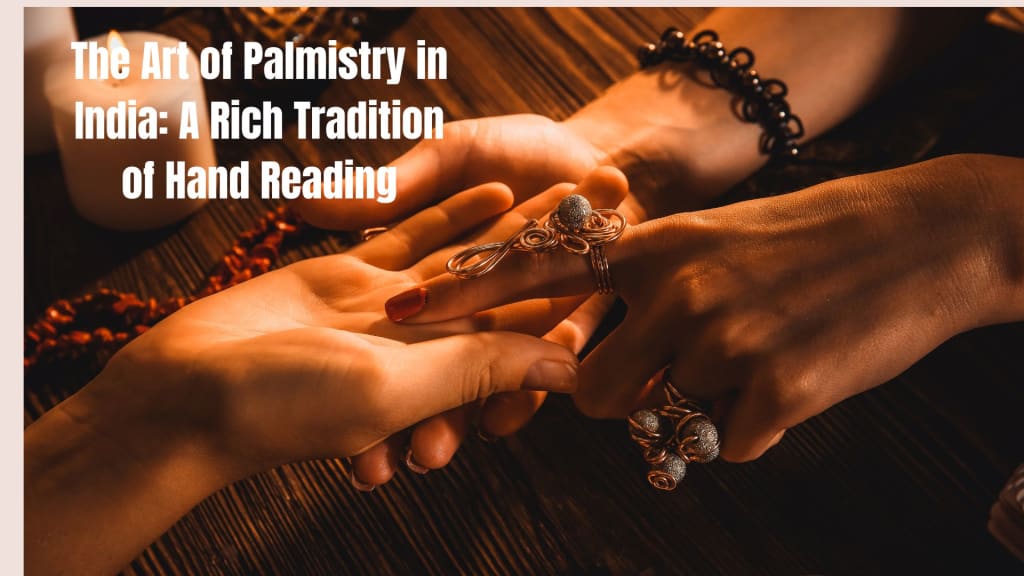
Palmistry, the ancient practice of interpreting the lines and shapes of the hands to predict an individual's future and uncover aspects of their personality, has been deeply rooted in Indian culture for centuries. Known as "Hasta Samudrika Shastra" in Sanskrit, which translates to the "Ocean of Knowledge in the Hand," Indian palmistry is a rich tradition that blends astrological principles with detailed hand analysis. This article explores the history, significance, and contemporary practice of palmistry in India.
Historical Significance
The origins of palmistry in India can be traced back to ancient texts and scriptures. The practice is mentioned in the Vedas, the oldest sacred texts of Hinduism, and is believed to have been practiced by sages and seers as a form of divination. The sage Valmiki, the author of the epic Ramayana, is said to have written a comprehensive book on palmistry, which outlined the interpretations of various hand lines and mounts.
Over time, palmistry became an integral part of Indian astrology (Jyotish Shastra) and was used alongside other forms of divination, such as horoscope reading and numerology. The principles of Indian palmistry were also influenced by the Samudrika Shastra, which is the study of body features and their correlation with an individual's destiny and personality.
Core Principles of Indian Palmistry
Indian palmistry is based on the belief that the lines and mounts on our palms are a reflection of our past karma and our future potential. The practice involves a detailed analysis of various elements of the hand:
Major Lines
1. Heart Line: Represents love, emotions, and heart health.
2. Head Line: Indicates intellect, thought processes, and mental health.
3. Life Line: Reflects physical health, vitality, and major life changes.
4. Fate Line: Associated with career, success, and life path.
Minor Lines
1. Sun Line: Signifies creativity, fame, and success.
2. Mercury Line: Indicates communication skills and business acumen.
3. Girdle of Venus: Reflects emotional intensity and sensitivity.
4. Health Line: Relates to overall health and well-being.
Mounts
1. Mount of Venus: Located at the base of the thumb, representing love and passion.
2. Mount of Jupiter: Found at the base of the index finger, symbolizing ambition and leadership.
3. Mount of Saturn: Located at the base of the middle finger, associated with discipline and responsibility.
4. Mount of Apollo: Found at the base of the ring finger, representing creativity and fame.
5. Mount of Mercury: Located at the base of the little finger, associated with communication and wit.
6. Mount of Luna: Found along the outer edge of the palm, representing intuition and imagination.
Contemporary Practice
In modern India, palmistry remains a popular practice and is often consulted for guidance on personal and professional matters. Many people seek the advice of experienced and best palmist in India before making major life decisions, such as marriage, career changes, or starting a business. Palmistry is also used to gain insights into health issues, financial prospects, and relationship compatibility.
Palmistry in Popular Culture
Palmistry continues to hold a significant place in Indian popular culture. It is often depicted in movies, television shows, and literature, reflecting the enduring fascination with this ancient art. Many television programs feature segments on palmistry, where experts provide live readings and answer viewer questions.
Learning Palmistry
If you are interested in learning palmistry then you can learn with books, online courses, and workshops. Many seasoned palmists offer training sessions and mentorship programs to help aspiring practitioners develop their skills. Key areas of study include:
• Hand Shape Analysis: Understanding the different shapes of hands and their significance.
• Line Interpretation: Learning to read and interpret the various lines on the palm.
• Mounts and Markings: Identifying and understanding the significance of mounts and other markings on the hand.
• Integration with Astrology: Combining palmistry with astrological principles for a more comprehensive reading.
Conclusion
The art of palmistry in India is a rich and diverse tradition that continues to captivate and guide people. Its blend of ancient wisdom and practical insights offers a unique perspective on human destiny and potential. Whether for personal reflection or professional guidance, palmistry remains a cherished practice in Indian culture, reflecting the enduring belief in the power of the hand to reveal the secrets of the soul.
About the Creator
Enjoyed the story? Support the Creator.
Subscribe for free to receive all their stories in your feed.
Comments