
The Arms Race of Tomorrow: AI Detection in a World of Synthetic Realities
How Advancing Technology Shapes the Battle for Truth in an Era of Digital Deception
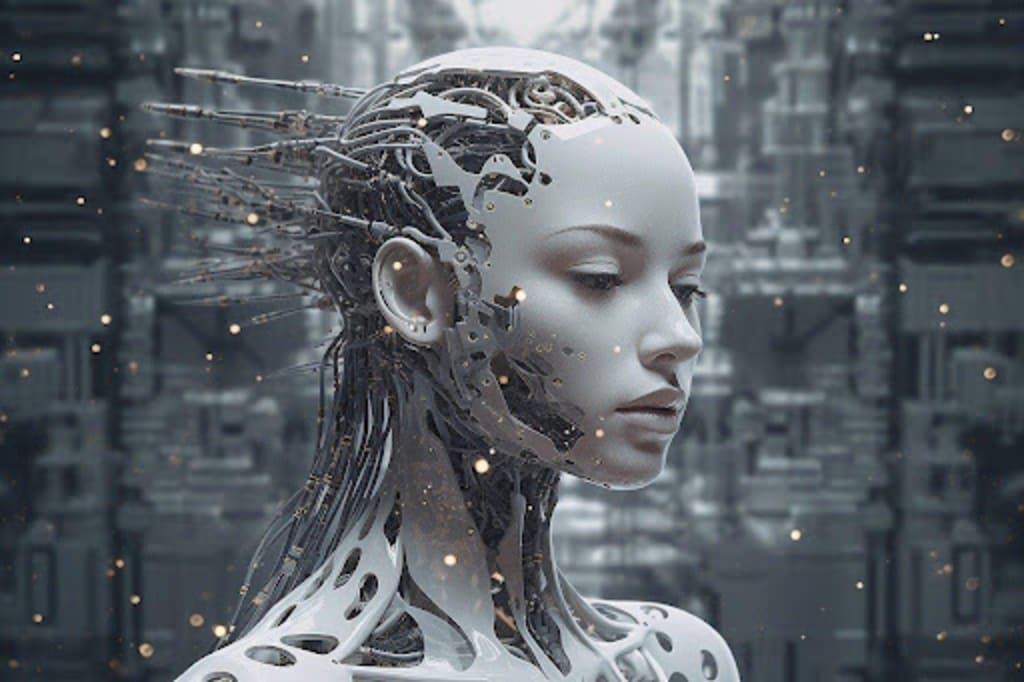
There are many large language models available for use by the average person, including the most popular one, ChatGPT. These programs are wonderful word creators that can mimic human language, but they are not without their flaws. Today, we’ll discuss this topic a bit more and introduce the concept of AI Detector tools that help offset the overabundance of AI content we’re seeing online.
The arms race of tomorrow includes creating AI technology that students all over the world found great use in. This race to have the best AI available to the masses, caused an influx in students getting bad grades because teachers were just failing these students, not realize that AI detection isn’t fool proof.
The models we use today are still learning more about our technology, language, and context of word usage. The detection software is even more new than the AI tools students use to write essays and answer homework questions. This means that we still have more work to do in the arms race of tomorrow. This new AI reality is causing us to fall prey to a synthetic reality, and no one seems to be waving their arms to slow the process down.
What is artificial intelligence?
Artificial intelligence (AI) is something we haven’t seen since watching those old science fiction films back in eh the 1980s, although there were some good films in the sci-fi genre in the 2000s years. With that said AI is something that uses machine learning to complete a program that it was built to run.
Today’s AI typically uses natural language processing, a form of machine learning, to mimic human language, behavior, and emotions. While AI isn’t emotionally intelligent, it is quickly learning the data points behind human emotions. This means it can respond to your emotions appropriately, but it will not feel your emotions because it’s a program behind a computer screen.
This is a form of technology that is currently being used for everything from helping students with their paperwork to content creators, and government agencies show wants to make things run more efficiently. This programming is easily adapted to whatever you want to create, and many people are using it to draft their version of whatever they want AI to be in their particular industry of work or life.
To sum it up, AI is an extremely intelligent and adaptable robot that lives behind a computer screen. The AI technology used today is nothing like we’ve seen before and more and more people are using it in their life without realizing it. Most recently, we’ve seen the onset of AI detectors. This is a form of AI created to help people scan a document to see if it was created by AI or not.
What are AI detectors?
These are a form of artificial intelligence that uses machine learning to analyze a piece of text or an image to see if AI created it. This tool is online and often has a page where you insert text or images into an empty box, and click a button to run the scan.
From here, within a few seconds, the program will release its findings to the user. This means that you get a percentage back citing whether or not the AI detector thinks AI created the text or image. This is not the only tool you should use when determining if a piece of content is truly derived from AI.
While a lot of these detectors get the results mostly correct, there are some that are more glitchy than others. These tools are only as good as the program used to train them and create them. This means that the more you use detection software, the more intelligent and accurate it becomes.
AI detectors are just a tool that you can use to test writers, students, and anyone else to see if the content or image they provided to you is AI manufactured. This means that you can no longer hide the AI creations from others, we all have the same access to AI tools as the next person.
What is the arms race of tomorrow?
The concept of the arms race of tomorrow regarding AI could refer to many aspects of our human lives. We are now seeing government agencies harness the power of AI to expand our military capabilities, enhance their efficiency in public agencies, and much more. We’ve seen content management firms and advertising agencies hop on board to use AI for marketing campaigns because AI is just more intelligent and faster at developing campaigns that resonate with the target audience that human being.
There are plenty of ways in which we are seeing AI take over the world, and some options are helping expand humanity. The ability to take part in this amazing advancement of technology is pretty cool. We have seen the technology expand from just AI writers to AI companionship in just a few short months of existence.
This technology is expanding faster than your mind can evolve, and that’s scary to some, and quite fascinating to others. We are here to watch it all unfold and to be a part of it. We hope that you will take a few minutes to familiarize yourself with this technology.
You can easily use AI writers like ChatGPT, the AI detectors to test random content from the internet, or even dabble with a digital companion by using an AI girlfriend application. It seems each person has a unique way of using this technology, and with it being easily accessible to all, it’s no wonder we’re quickly seeing this expansion of AI take over almost everyone’s household and lifestyle.
The options for how the average person can use AI are truly endless. There are plenty of ways you can use this technology to expand your mind and improve your life. We just hope that you will take a moment to review the options and see how each version of AI options in this arms race for a synthetic future can impact your world.
About the Creator
Enjoyed the story? Support the Creator.
Subscribe for free to receive all their stories in your feed.
Comments
There are no comments for this story
Be the first to respond and start the conversation.