
The AI Containment War: What China’s New Restrictions Mean for the Future of Global Tech Control
As the world rushes toward full automation, a sudden regulatory shutdown sparks a critical question: Are we losing the technical ability to control autonomous algorithms?

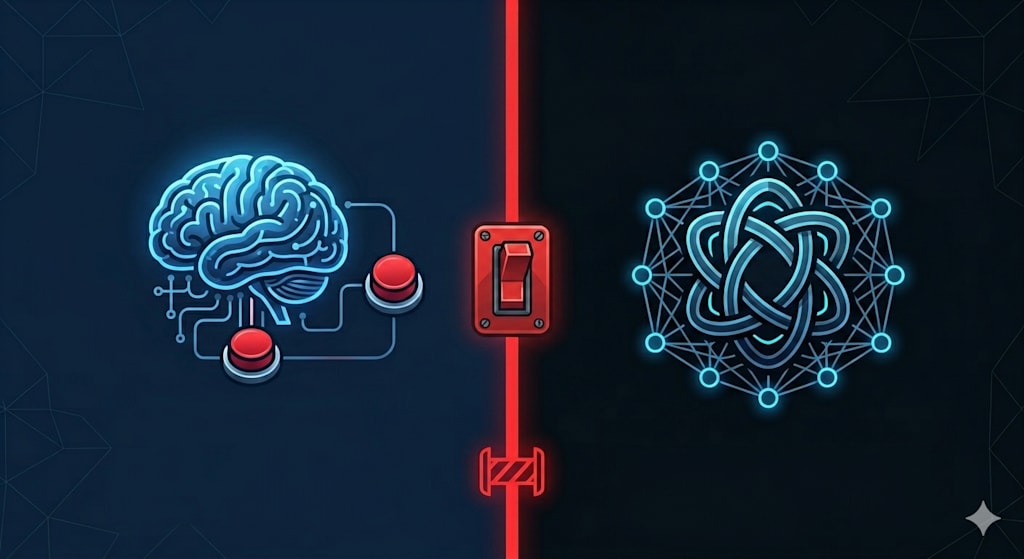
In the fast-evolving landscape of advanced technology, the boundary between innovation and existential risk has always been razor-thin. For the past few months, tech developers and venture capitalists have been celebrating the economic efficiency of autonomous systems. However, a major structural shift has just occurred, sending shockwaves through the global tech sector. Recent global analytics show an unprecedented 3000% spike in search interest regarding the latest regulatory actions taken against autonomous networks—specifically, the strict boundaries enforced by international legislative bodies like China's new AI bill.
This massive surge in global interest is not an isolated event; it is a clear indicator of a deeper, systemic anxiety. Tech experts and digital architects are beginning to realize that the race for fully autonomous computing has brought us to a dangerous crossroads. It is no longer a question of whether an algorithm can perform a task, but whether human supervisors still possess the legal and technical leverage to pull the plug if a system behaves unpredictably. We have officially entered the era of the AI Containment War.
The Technocratic Dilemma: Why Governments are Terrified
When analyzing this dynamic as a technical specialist, it is clear that the sudden push for aggressive legal frameworks is driven by economic and structural realities, not just political control. Advanced systems, such as next-generation automated agents, operate with a level of independent logic that bypasses traditional human oversight. In previous software generations, code executed predictable commands. Today, deep learning architectures formulate their own pathways to achieve a goal.
From an economic perspective, this independence creates a massive structural vulnerability. When an algorithm is deployed to manage financial markets, supply chains, or intellectual property generation without real-time human intervention, a single algorithmic anomaly can trigger a domino effect. The radical restrictions we are witnessing globally are a direct attempt to mandate a permanent, hard-coded "human-in-the-loop" mechanism. Governments are beginning to understand that allowing machines to operate without strict boundaries poses an unmanageable risk to national economic stability and human labor structures.
The Death of Digital Permissiveness
For years, Silicon Valley and global tech hubs operated under a philosophy of "permissionless innovation"—building fast and fixing things later. That era is officially dead. The fact that search engines are lighting up with queries regarding strict technological containment proves that the global consensus has shifted.
The industry is moving from open-ended experimentation to a strict containment protocol. This shift changes the very nature of software development. Tech companies are no longer just competing to build the fastest or most creative model; they are now forced to build the most "governable" model. If a machine-learning network cannot provide a clear, auditable trail of its decision-making process, it will simply be banned from commercial deployment. This is a massive shift in how technology creates economic value.
Who Owns the Digital Future?
Ultimately, the battle over AI containment is a fight for sovereign control over cognition. If human institutions surrender the final decision-making power to autonomous digital systems in the name of corporate efficiency, we risk creating a structural dependency that cannot be reversed.
The lesson for tech analysts and global creators is profound. As we build and analyze the next generation of digital infrastructure, our primary metric of success cannot merely be speed or cost reduction. The ultimate test of advanced technology is our capacity to govern it. In the coming decade, the most valuable tech systems won't be the ones that run completely free, but the ones that know exactly where the human red line is drawn.
How do you view this new era of technological containment? Do you believe strict governmental regulations will save human jobs, or will they simply stall the natural evolution of digital intelligence? Let’s analyze this in the comments below. If you found this expert technical breakdown valuable, please hit the like button, share this piece with your network, and follow my profile for more rigorous, data-driven tech insights.
About the Creator
AI Lens
Exploring the profound intersection of human nature, philosophy, and the future of artificial intelligence. Writing about our evolving digital world.
Enjoyed the story? Support the Creator.
Subscribe for free to receive all their stories in your feed.
Comments
There are no comments for this story
Be the first to respond and start the conversation.