
The $210 Billion Healthcare Shift Most People Aren’t Talking About
How biosimilars are making life-saving treatments more affordable and accessible worldwide

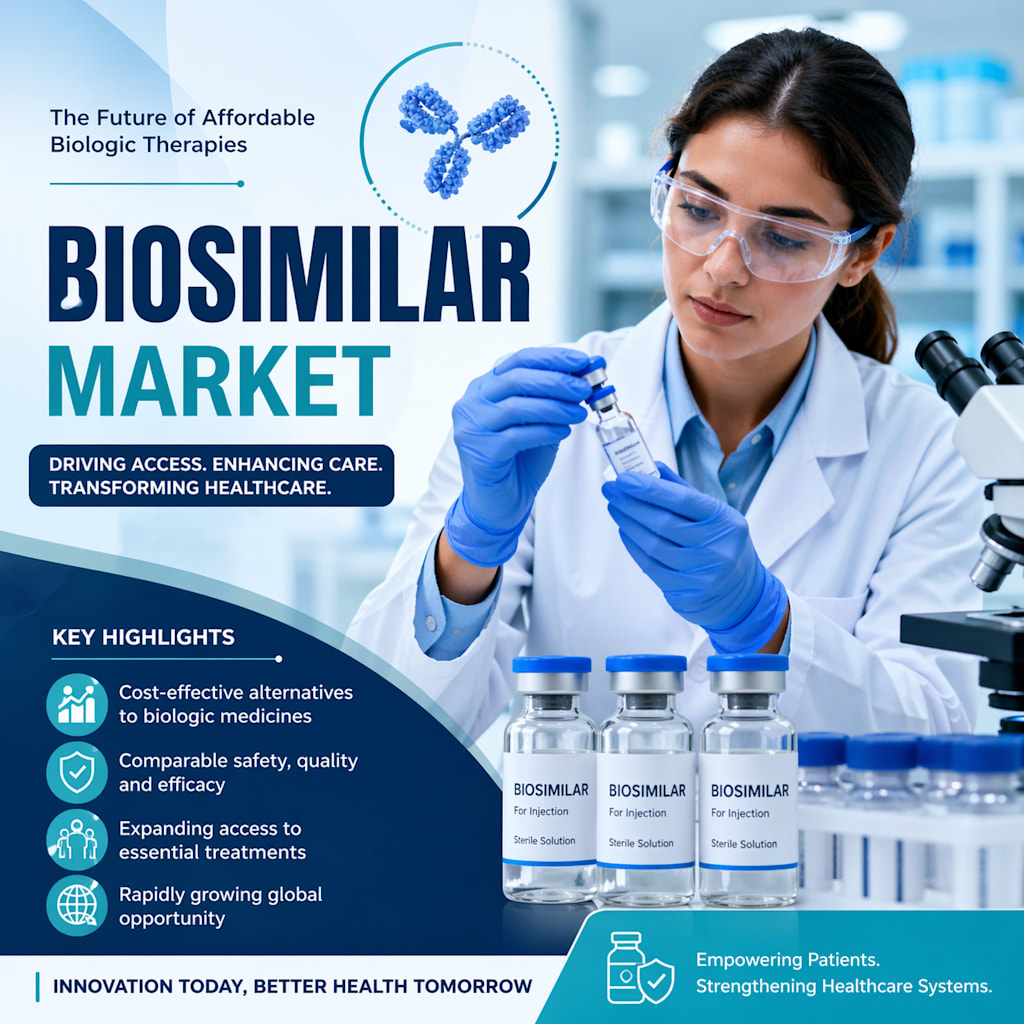
Healthcare systems everywhere are looking for ways to deliver advanced therapies without overwhelming the healthcare system with costs․
Biologic drugs have transformed the treatment of complex diseases (e․g․ cancer‚ autoimmune diseases‚ diabetes)‚ but can be expensive for patients and health systems in many countries due to their high manufacturing costs․
This is where biosimilars are quietly changing the game․
Biosimilars provide the same therapeutic effects of the original biologic drug at a considerably reduced cost‚ leading to an increased demand for biosimilars as part of a move toward greater affordability in healthcare․
A Market In Explosive Growth
The global biosimilar market size is now on the verge of expansion․
The market was valued at USD 32․9 billion in 2025 and is expected to reach USD 210․4 billion by 2034‚ at a CAGR of 22․9% during the forecast period (2025-2034)․
It is not an accident․ It is rooted in how healthcare systems have come to think about the affordability and accessibility of treatment․
Biosimilars are now regarded as an integral part of contemporary pharmacotherapy‚ instead of alternatives․
The Cost Crisis Driving Demand
One of the biggest drivers for the biosimilars market is the rising cost of healthcare globally․
It can be difficult for patients with chronic conditions such as cancer‚ rheumatoid arthritis‚ and diabetes‚ who need to take biologic medications on a long-term basis‚ to afford the drugs․
Biosimilars provide a solution․
Generics offer the same safety and efficacy at a lower price‚ which helps reduce the cost burden on patients and the healthcare system․ Generic medications are also favored by the government and insurers to help control rising health care costs․
Many people who could not afford these life-saving treatments can now access them‚ thanks to the availability of biosimilars․
Patent expirations are creating new opportunities․
Another driver of growth is the expiry of patents on blockbuster biologic drugs․
Because many of the world's best-selling biologics are approaching the end of their patent protection‚ opportunities for pharmaceutical companies to sell biosimilars have become available․
When these become economically feasible‚ competition will bring prices down․
This not only benefits patients but also drives innovation‚ as manufacturers are creating improved production methods and expanding their biosimilar product lines․
However‚ for the next decade‚ patent expiries are expected to create billions of dollars of new opportunities within the field of biosimilars․
Technology Is Making Biosimilars More Reliable
The process of making biosimilars is much more complicated than making a generic version of a small-molecule drug; the manufacturing process of biosimilars is sensitive and complex due to the use of living cells․
However‚ biotechnology is beginning to change that․
Increased manufacturing technology and analytical tools and more strong quality control measures allow companies to produce reliable‚ high-quality biosimilars on a large scale․
These developments in technology give confidence to both the professionals and the patients‚ and result in a global demand․
Increasing Acceptance by Medical Professionals and Patients
The initial reception of biosimilars was skeptical․
Changing healthcare providers' minds about prescribing these newer alternatives was a hurdle‚ and patients were also reluctant to accept them․
That perception is changing‚ however․
Now with more clinical data and the continued approval of biosimilars‚ organizations have been accepting the safety and efficacy of biosimilars over the years․
This change is being driven by a variety of educational programs‚ real world evidence‚ and patient experiences․
Europe Leads‚ But Other Regions Catching Up
Europe is currently the largest market for biosimilars․
This leadership can be attributed to strong regulation‚ early adoption‚ and the good existing healthcare infrastructure that makes implementation of cost-effective therapy easier․
However‚ other regions are quickly catching up․
The United States is a growing market‚ due to the high cost of drugs and government policies that favor the use of biosimilar medications․
Meanwhile‚ the Asia-Pacific region has experienced rapid growth‚ benefiting from access to healthcare‚ growing chronic disease burden‚ and increased investment in pharmaceutical manufacturing․
With increasing global awareness of biosimilars‚ their usage is expected to rise in both developed and developing countries․
Areas of application for biosimilars include:
There are many medical uses of biosimilars‚ with some being used more than others in practice․
Autoimmune diseases such as rheumatoid arthritis and inflammatory bowel disease form some of the largest classes of therapies for which affordability is a major concern․
Oncology is the other area where biosimilars have proven useful in reducing cancer drug costs․
Specific molecules‚ such as monoclonal antibodies such as infliximab‚ have grown in popularity due to their efficacy in chronic conditions and the increasing use of biosimilars․
Biosimilars offer the potential for improved patient outcomes and may also reduce overall health care spending․
Challenges That Still Exist
Although growth is strong‚ the biosimilars market faces numerous challenges․
Since biosimilars are complex and costly to produce‚ even small changes in the manufacturing process can affect the quality of the product․
Companies must also prove that their biosimilars are as safe and effective as the original biologics of which they are copies․
Competition with existing biologic drugs and healthcare environments where they are sold can also impede uptake of biosimilars․
While some of these problems are beginning to be solved by innovation and easing regulation‚ and as markets gain experience‚
A Highly Competitive and Rapidly Changing Industry
The biosimilars market is becoming increasingly crowded․
The technology has attracted investment from major pharmaceutical and biotechnology companies and new entrants‚ with collaborations formed‚ acquisitions made‚ and investments and products offered to gain entry into the space․
Innovation is a key differentiator․
For any company to be successful in this rapidly changing market‚ its ability to develop high quality biosimilars quickly and in compliance with regulations is essential․
Looking Ahead: A More Accessible Future for Healthcare
The future of biosimilars depends on a vision of improving accessibility and affordability of healthcare overall․
As the patents for biologics expire and the technology for biosimilars improves‚ it is likely that more biosimilars will enter the marketplace in the future․
Biosimilars are predicted to become a key treatment option for some of the world's most problematic diseases‚ such as cancer and autoimmune diseases‚ by 2034․
More importantly‚ they will help ensure that these treatments are not limited to a small segment of the population․
Final Thoughts
Biosimilars are more than a cost-saving opportunity‚ they are a building block towards a sustainable and equitable healthcare system for all․
With increasing demand along with technological advances‚ biosimilars promise to change the way advanced therapy is delivered‚ globally․
What was once considered alternative is now becoming increasingly accepted within the field of medicine․
About the Creator
Robert
Senior Market Researcher at IMARC Group, specializing in global market analysis, industry trends, and data-driven insights across diverse sectors.
Enjoyed the story? Support the Creator.
Subscribe for free to receive all their stories in your feed.
Comments
There are no comments for this story
Be the first to respond and start the conversation.