tech
Curious tech and technology from the realm of science and science fiction.
The Internet of Things: Connecting Our World in a Digital Ecosystem
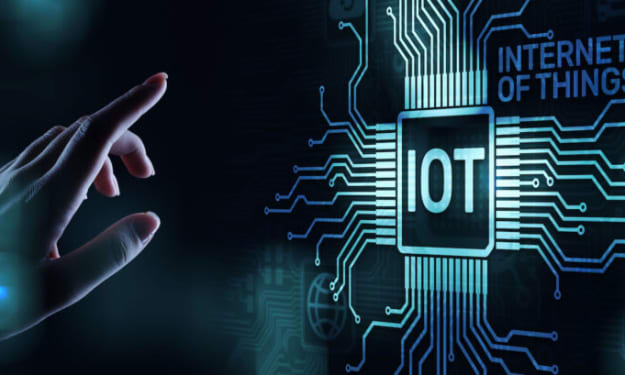
In today's interconnected world, the Internet of Things (IoT) has emerged as a revolutionary concept that promises to transform the way we live, work, and interact with technology. The IoT refers to the network of physical objects, devices, vehicles, and other items embedded with sensors, software, and connectivity, enabling them to collect and exchange data over the internet. This interconnected web of devices is connecting our world in a digital ecosystem, with profound implications for various industries and our daily lives. The IoT is rapidly expanding its reach, with estimates suggesting that by 2025, there will be more than 75 billion connected devices worldwide. From smart homes to industrial automation, healthcare to transportation, the IoT is reshaping every aspect of our lives. It offers tremendous opportunities for efficiency, convenience, and innovation, but it also presents significant challenges and risks. One of the key advantages of the IoT is its potential to enhance our daily lives through smart homes. Imagine waking up to an alarm that not only wakes you up but also adjusts the thermostat to your preferred temperature and brews your morning coffee. With interconnected devices, you can control your lights, appliances, security systems, and more, all from the convenience of your smartphone. Smart homes not only make our lives more comfortable but also promote energy efficiency and reduce waste. In the industrial sector, the IoT is revolutionizing manufacturing processes through what is known as Industry 4.0. By connecting machines, equipment, and systems, manufacturers can achieve unprecedented levels of automation, optimization, and productivity. IoT-enabled sensors can monitor machine performance, predict maintenance needs, and even facilitate self-healing systems. This leads to reduced downtime, lower costs, and increased competitiveness. Healthcare is another domain that stands to benefit greatly from the IoT. With wearable devices and smart medical implants, patients can monitor their vital signs in real-time, enabling early detection of health issues and prompt medical interventions. IoT devices can also enable remote patient monitoring, allowing healthcare providers to monitor patients' conditions from a distance and provide personalized care. This not only improves patient outcomes but also reduces the burden on healthcare systems. Transportation is being revolutionized by the IoT as well. Connected vehicles can communicate with each other and with infrastructure, leading to safer roads, reduced congestion, and optimized traffic flow. Autonomous vehicles, powered by IoT technologies, are poised to transform the way we travel, making transportation more efficient and sustainable. Additionally, logistics and supply chain management are becoming more streamlined and transparent through IoT-enabled tracking systems. While the IoT brings unprecedented possibilities, it also raises concerns about privacy, security, and data governance. With billions of devices collecting and transmitting data, the potential for unauthorized access and misuse of information becomes a significant challenge. Safeguarding privacy and securing IoT networks and devices is crucial to prevent data breaches, identity theft, and other cyber threats. It requires robust encryption, authentication protocols, and regulatory frameworks that protect both individuals and organizations. Another challenge is the interoperability and standardization of IoT devices and platforms. As the number of connected devices continues to grow, ensuring seamless communication and compatibility between different systems becomes essential. Common standards and protocols need to be established to facilitate interoperability, promote collaboration among manufacturers, and prevent fragmentation in the IoT ecosystem. Furthermore, the sheer volume of data generated by IoT devices poses challenges for data storage, processing, and analysis. The concept of big data is closely intertwined with the IoT, as the collected data can provide valuable insights and enable predictive analytics. However, managing and making sense of vast amounts of data requires advanced infrastructure, data analytics capabilities, and data governance frameworks that balance privacy and innovation. To unlock the full potential of the IoT, collaboration among various stakeholders is vital. Governments, industry leaders, and researchers must work together to establish regulatory frameworks, standards, and best practices that promote the responsible deployment and use of IoT technologies. This collaboration can ensure that ethical considerations, such as privacy, security, and sustainability, are at the forefront of IoT development. Education and awareness are also essential in harnessing the benefits of the IoT. People need to understand how the technology works, its implications, and how to protect themselves in this interconnected ecosystem. Promoting digital literacy and providing training programs can empower individuals to navigate the IoT landscape safely and make informed decisions about their privacy and security. Moreover, addressing the digital divide is crucial to ensure equitable access to the benefits of the IoT. While developed countries are witnessing significant IoT adoption, it is essential to bridge the gap between regions and communities with limited access to technology. Initiatives aimed at providing affordable connectivity and promoting digital inclusion can enable underserved populations to participate in the digital ecosystem and reap the rewards of the IoT. Looking ahead, the future of the IoT holds even more promise. As technology continues to evolve, advancements such as 5G networks, edge computing, and artificial intelligence will further enhance the capabilities of IoT devices. This will lead to faster and more reliable connectivity, real-time processing of data at the edge of networks, and intelligent decision-making by IoT systems. In conclusion, the Internet of Things is connecting our world in a digital ecosystem that spans across industries and aspects of our daily lives. From smart homes to industrial automation, healthcare to transportation, the IoT is transforming the way we interact with technology and shaping a more connected and efficient future. However, with these opportunities come challenges, including privacy concerns, security risks, and the need for standardization. By addressing these challenges and fostering collaboration, education, and inclusivity, we can unlock the full potential of the IoT and create a digital ecosystem that benefits all. As we embrace the IoT, it is crucial to prioritize responsible and ethical practices to ensure a sustainable and secure future in this interconnected world.
By Not_JohnWick3 years ago in Futurism
Revolutionizing Healthcare: How Technology is Transforming the Medical Field
In recent years, technology has played a pivotal role in transforming various industries, and healthcare is no exception. From the way patients receive care to the tools and techniques used by medical professionals, technology has revolutionized the medical field, offering new possibilities and improving patient outcomes. In this article, we will explore seven ways in which technology is transforming healthcare. 1. Telemedicine and Remote Monitoring: One of the most significant advancements in healthcare technology is the rise of telemedicine. Telemedicine enables patients to receive medical advice and treatment remotely, using video conferencing and other communication tools. This technology has proven particularly beneficial in rural areas where access to healthcare services is limited. Additionally, remote monitoring devices allow healthcare providers to keep track of patients' vital signs and health conditions without requiring them to visit a hospital or clinic. This real-time data enables early detection of potential health issues and enables timely intervention. 2. Electronic Health Records (EHRs): Gone are the days of traditional paper-based medical records. Electronic Health Records (EHRs) have transformed the way patient information is stored and accessed. EHRs provide a comprehensive digital record of a patient's medical history, including diagnoses, medications, test results, and treatment plans. This technology allows healthcare providers to quickly access and share patient information, leading to improved coordination of care and better-informed medical decisions. 3. Artificial Intelligence (AI) and Machine Learning (ML): Artificial Intelligence and Machine Learning technologies have found numerous applications in healthcare. AI algorithms can analyze vast amounts of medical data to identify patterns and make predictions, assisting doctors in diagnosing diseases and recommending appropriate treatment plans. Machine Learning algorithms can learn from data and continuously improve their performance, helping to enhance medical research and streamline healthcare processes. 4. Robotics and Automation: Robotic systems have transformed various aspects of healthcare, from surgery to rehabilitation. Robotic surgical systems allow surgeons to perform minimally invasive procedures with enhanced precision, reducing patient trauma and speeding up recovery time. Robots can also assist in patient rehabilitation by providing therapeutic exercises and monitoring progress. Automation technology has also improved efficiency in healthcare, automating routine tasks such as appointment scheduling and medication dispensing, freeing up healthcare professionals to focus on more complex and critical tasks. 5. Wearable Devices and Sensors: The widespread use of wearable devices such as fitness trackers and smartwatches has paved the way for a new era of personal health monitoring. These devices can track vital signs, activity levels, sleep patterns, and more, providing individuals with valuable insights into their health and well-being. Healthcare professionals can also leverage wearable devices and sensors to monitor patients remotely and detect early signs of health deterioration. 6. Virtual Reality (VR) and Augmented Reality (AR): Virtual Reality and Augmented Reality technologies are finding applications in healthcare education, training, and patient care. Medical students can use VR to simulate surgical procedures and gain hands-on experience in a risk-free environment. AR can overlay digital information onto a real-world view, allowing surgeons to see critical data during operations without looking away from the patient. VR and AR are also utilized for pain management and therapy, providing immersive experiences that distract patients from discomfort and aid in their recovery. 7. Genomic Medicine: Advancements in genomic research and technology have paved the way for personalized medicine. Genomic medicine focuses on understanding an individual's genetic makeup and tailoring medical treatments accordingly. Genetic testing can identify a person's susceptibility to certain diseases and help healthcare providers develop targeted prevention and treatment plans. This approach has the potential to revolutionize disease management, enabling more precise and effective interventions. Technology is revolutionizing the healthcare industry, providing new possibilities for both patients and healthcare professionals. Telemedicine, electronic health records, AI and machine learning, robotics and automation, wearable devices, and sensors, virtual reality and augmented reality, and genomic medicine are just a few examples of how technology is transforming the medical field. These advancements are bringing numerous benefits to patients. Telemedicine, for instance, has made healthcare more accessible, especially for individuals in remote areas or those with limited mobility. Patients can receive medical advice, consultations, and even prescriptions without leaving their homes. This not only saves time and effort but also reduces the burden on healthcare facilities, allowing them to focus on more critical cases. Electronic health records have improved the efficiency and accuracy of patient care. With EHRs, healthcare providers have immediate access to a patient's complete medical history, eliminating the need for manual record retrieval or the risk of missing crucial information. This streamlined information exchange between healthcare professionals promotes better coordination and continuity of care, leading to improved patient outcomes. Artificial intelligence and machine learning have tremendous potential in healthcare. These technologies can analyze vast amounts of medical data, such as patient records, lab results, and research studies, to identify patterns and correlations that humans may overlook. This assists physicians in making more accurate diagnoses, developing personalized treatment plans, and predicting patient outcomes. AI-powered chatbots and virtual assistants are also being used to provide basic medical information, answer common queries, and offer support to patients, enhancing the overall patient experience. Robotics and automation have revolutionized surgical procedures and rehabilitation. Robotic surgical systems allow surgeons to perform complex surgeries with greater precision, minimizing invasiveness and reducing the risk of complications. In rehabilitation settings, robots can assist patients in regaining mobility and performing therapeutic exercises, leading to faster and more effective recovery. Wearable devices and sensors have empowered individuals to take an active role in monitoring and managing their health. From tracking heart rate and sleep patterns to monitoring glucose levels and medication adherence, these devices provide valuable data that can help individuals make informed decisions about their lifestyle and well-being. They also enable healthcare providers to gather real-time data, detect early warning signs, and intervene promptly when necessary. Virtual reality and augmented reality technologies are transforming healthcare education and training. Medical students can now practice surgical procedures and gain hands-on experience in a simulated environment, allowing them to refine their skills before operating on real patients. Surgeons can also benefit from augmented reality, which overlays digital information, such as imaging data or patient vital signs, onto their field of view during procedures. This enhances precision and reduces the need to divert attention away from the patient. Genomic medicine holds great promise for personalized healthcare. By analyzing an individual's genetic makeup, healthcare providers can better understand disease susceptibility, develop targeted prevention strategies, and tailor treatment plans to the individual's specific needs. This approach has the potential to revolutionize the way diseases are diagnosed, treated, and prevented, leading to more effective and efficient healthcare outcomes. Technology is revolutionizing the healthcare industry, paving the way for a future of improved patient care, better outcomes, and enhanced efficiency. From telemedicine and electronic health records to artificial intelligence, robotics, wearable devices, virtual reality, augmented reality, and genomic medicine, these advancements are transforming the medical field in ways unimaginable just a few decades ago. As technology continues to evolve, we can expect even greater innovations that will further revolutionize healthcare, making it more accessible, efficient, and personalized than ever before.
By Not_JohnWick3 years ago in Futurism
Gadgets Galore: Must-Have Tech for the Modern Geek
In today's fast-paced world, technology has permeated every aspect of our lives, making it an integral part of our daily routines. From the moment we wake up to the time we go to bed, gadgets surround us, helping us stay connected, entertained, and productive. For the modern geek, staying up-to-date with the latest tech trends is not just a hobby; it's a way of life. So, let's dive into the world of gadgets galore and explore some must-have tech for the modern geek. 1. Smartphones: At the forefront of the tech revolution are smartphones. These pocket-sized powerhouses have evolved into our personal assistants, entertainment hubs, and creative tools. With each passing year, smartphones continue to push the boundaries of what is possible. From vibrant displays and lightning-fast processors to cutting-edge camera systems, modern smartphones are a geek's dream come true. Whether you're an Android aficionado or an iOS devotee, there is a wide array of options available to suit your preferences and needs. 2. Wearable Tech: Wearable technology has witnessed a remarkable rise in popularity over the past few years. These gadgets seamlessly integrate into our lives, enhancing our productivity and overall well-being. Smartwatches have become the go-to accessory for geeks, offering features like notifications, fitness tracking, and even mobile payments. With their sleek designs and customizable watch faces, smartwatches have become an extension of our personalities. Additionally, fitness trackers provide valuable insights into our physical activity, sleep patterns, and heart rate, enabling us to make better choices for our health. 3. Virtual Reality (VR) Headsets: For the adventurous geek seeking escapism, virtual reality headsets are an absolute must-have. These cutting-edge gadgets transport us to immersive digital realms, offering experiences that go beyond our wildest imagination. Whether you're battling virtual foes in a game, exploring distant planets, or simply watching a movie in a 360-degree environment, VR headsets deliver an unparalleled level of immersion. With advancements in technology, these devices are becoming more accessible, comfortable, and visually stunning, making them a must-have for any tech-savvy individual. 4. Smart Home Devices: Transforming our living spaces into futuristic, intelligent abodes, smart home devices have revolutionized the way we interact with our homes. From voice-controlled virtual assistants like Amazon Echo or Google Home to smart thermostats, lighting systems, and security cameras, these gadgets offer convenience, energy efficiency, and peace of mind. Imagine controlling your home's temperature, lighting, and security with just a simple voice command or a tap on your smartphone. Smart home devices not only streamline our daily routines but also contribute to a more sustainable and secure future. 5. Drones: For the geek with a passion for exploration and photography, drones are an absolute game-changer. These remote-controlled flying gadgets enable us to capture stunning aerial footage and photographs from vantage points that were once impossible to reach. Whether you're an aspiring filmmaker, an outdoor enthusiast, or simply someone who loves the thrill of piloting a drone, these gadgets open up a world of creative possibilities. With advanced features like obstacle avoidance and intelligent flight modes, drones offer an exhilarating and unique perspective on the world around us. 6. Wireless Earbuds: Say goodbye to tangled wires and hello to wireless freedom with earbuds. These compact and portable gadgets have become an essential accessory for music lovers, podcast enthusiasts, and anyone on the go. With advancements in Bluetooth technology, wireless earbuds provide seamless connectivity, impressive sound quality, and long battery life. Whether you're commuting to work, hitting the gym, or simply relaxing at home, wireless earbuds deliver a hassle-free and immersive audio experience. They allow you to enjoy your favorite music or podcasts without the hassle of tangled cords, providing freedom of movement and convenience. One of the standout features of wireless earbuds is their compact size, making them easily portable and ideal for travel. They come with a sleek charging case that not only protects the earbuds but also serves as a portable power bank, ensuring that you never run out of battery while on the go. Additionally, many wireless earbuds now feature active noise cancellation technology, which blocks out ambient noise and allows you to immerse yourself fully in your audio experience. Wireless earbuds have also become increasingly user-friendly, with touch controls and voice assistants built into the devices. You can answer calls, adjust the volume, and switch tracks with just a tap or swipe on the earbuds themselves, eliminating the need to take out your phone or music player. Another exciting development in the world of wireless earbuds is the integration of AI and fitness tracking features. Some earbuds now have built-in sensors that can monitor your heart rate, track your steps, and calculate calories burned during workouts. These fitness-focused earbuds provide real-time data and insights, helping you stay motivated and achieve your fitness goals. When it comes to choosing wireless earbuds, there are several popular options available. Industry leaders such as Apple AirPods, Samsung Galaxy Buds, and Sony WF series have gained widespread acclaim for their audio quality, comfort, and functionality. However, there are also many other reputable brands offering competitive alternatives at various price points, ensuring that there's a pair of wireless earbuds to fit every budget. As technology continues to evolve, wireless earbuds are expected to become even more advanced and feature-rich. Future developments may include improved battery life, faster charging, enhanced audio quality, and even more accurate health monitoring capabilities. In conclusion, gadgets galore have become an integral part of the modern geek's life. From smartphones and wearable tech to virtual reality headsets, smart home devices, drones, and wireless earbuds, these gadgets offer a world of possibilities for entertainment, connectivity, and productivity. Whether you're a tech enthusiast, a creative explorer, or someone who values convenience and efficiency, there's a gadget out there that perfectly aligns with your interests and needs. However, while these gadgets undoubtedly enhance our lives, it's important to maintain a healthy balance and not let technology consume every waking moment. Disconnecting from screens from time to time allows us to engage with the world around us, nurture relationships, and appreciate the beauty of the analog world. So, embrace the world of gadgets galore, stay curious, and let technology empower you on your geeky adventures!
By Not_JohnWick3 years ago in Futurism
The Power of Blockchain: Revolutionizing Industries and Transactions
In recent years, blockchain technology has emerged as a transformative force, disrupting industries and revolutionizing transactions. Initially known for its association with cryptocurrencies like Bitcoin, blockchain has now transcended its original application and is reshaping various sectors, from finance to healthcare and beyond. With its decentralized and transparent nature, blockchain offers a myriad of advantages that have the potential to transform the way we conduct business and interact with one another. At its core, blockchain is a distributed ledger that records and verifies transactions across multiple computers. This decentralized approach eliminates the need for intermediaries, such as banks or government institutions, resulting in faster and more cost-effective transactions. The transparency of blockchain also enhances trust and security, making it an attractive solution for industries dealing with sensitive information and high-value assets. One of the most prominent areas where blockchain is making a significant impact is finance. Traditional banking systems often suffer from inefficiencies, slow settlement times, and high costs. Blockchain technology addresses these challenges by providing faster and more secure transactions. With smart contracts, a feature enabled by blockchain, financial agreements can be automated and executed without the need for intermediaries, reducing both costs and the risk of fraud. Moreover, blockchain has the potential to revolutionize supply chain management. The traceability and immutability of blockchain records allow for greater transparency and accountability in the movement of goods. By tracking every step of the supply chain, from production to delivery, blockchain can help detect and prevent counterfeit products, reduce delays, and improve overall efficiency. This technology can also ensure ethical sourcing by providing a verifiable record of a product's origin and its compliance with specific standards. The healthcare industry is another sector poised to benefit from blockchain. Patient data is often scattered across different healthcare providers, making it difficult to access and share crucial information. Blockchain can enable secure and interoperable health records, giving patients control over their data and allowing healthcare professionals to make better-informed decisions. This technology also has the potential to streamline clinical trials, enhance drug traceability, and improve the efficiency of healthcare supply chains. Blockchain is not limited to financial and healthcare sectors alone; it is also transforming the energy industry. The decentralized nature of blockchain enables peer-to-peer energy trading, allowing individuals and businesses to buy and sell electricity directly from one another. This innovation can lead to a more efficient and sustainable energy system, where excess renewable energy can be shared and wasted energy minimized. Blockchain also enables transparent tracking of energy transactions, ensuring a fair and trustworthy marketplace. Furthermore, blockchain is disrupting the art and entertainment industries. With blockchain-based platforms, artists can authenticate and protect their intellectual property, ensuring that they receive fair compensation for their creations. Additionally, blockchain-powered marketplaces enable peer-to-peer transactions, bypassing traditional gatekeepers and empowering artists to reach a global audience directly. This technology is revolutionizing the way creators monetize their work and engage with fans. Despite its many advantages, blockchain technology still faces challenges and hurdles to widespread adoption. Scalability issues, regulatory frameworks, and public awareness are among the key obstacles that need to be addressed. However, as more industries recognize the potential of blockchain and collaborate to overcome these challenges, the power of this technology will continue to grow. In conclusion, blockchain technology is revolutionizing industries and transactions across the globe. Its decentralized nature, transparency, and security make it an ideal solution for various sectors, including finance, supply chain management, healthcare, energy, and the arts. By eliminating intermediaries, streamlining processes, and enhancing trust, blockchain has the potential to create a more efficient, secure, and inclusive economy. As we navigate the digital age, embracing the power of blockchain will undoubtedly reshape the way we do business and interact with one another, ushering in a new era of innovation and collaboration.
By Not_JohnWick3 years ago in Futurism
Discover the Art of AI Video Generation
INTRODUCTION Artificial Intelligence (AI) has come a long way in the last few decades, and it is now revolutionizing the video industry. With AI-powered video generation platforms, creating high-quality videos has become easier, faster, and more affordable than ever before. In this guide, we will explore four leading AI-powered video generation platforms and the benefits they offer.
By Richard Byrne3 years ago in Futurism
Cybersecurity in the Digital Age: Protecting Your Digital Footprint
In today's increasingly connected world, our lives have become intricately intertwined with the digital realm. From our personal information to financial transactions, a significant part of our daily activities occurs online. While the convenience of the digital age is undeniable, it also brings along new risks and vulnerabilities. Cybersecurity has become a critical concern, and safeguarding our digital footprint has never been more important. In this article, we will explore the significance of cybersecurity and provide practical tips to protect your digital presence. Firstly, let's understand what a digital footprint entails. Your digital footprint refers to the trail of data you leave behind as you navigate the online world. It includes information such as your social media posts, online purchases, email communications, and website visits. This data, when aggregated, creates a comprehensive profile of your online activities, which can be exploited by cybercriminals if not adequately protected. One of the primary threats to your digital footprint is data breaches. Over the past years, numerous high-profile data breaches have exposed the personal information of millions of individuals. Hackers target databases of companies, government agencies, and even social media platforms, gaining unauthorized access to sensitive data such as names, addresses, passwords, and credit card information. The stolen data is often sold on the dark web, leading to identity theft, financial fraud, and other malicious activities. To safeguard your digital footprint, it is crucial to adopt a proactive approach towards cybersecurity. Here are some practical steps you can take to protect your digital presence: 1. Strengthen your passwords: Create unique and complex passwords for each of your online accounts. Include a combination of uppercase and lowercase letters, numbers, and special characters. Avoid using easily guessable information like your name or birthdate. Consider using a password manager to securely store your passwords. 2. Enable two-factor authentication (2FA): 2FA adds an extra layer of security to your online accounts. It typically involves providing a second piece of evidence, such as a unique code sent to your mobile device, in addition to your password. This significantly reduces the risk of unauthorized access even if your password is compromised. 3. Be cautious with personal information: Be mindful of the personal information you share online. Avoid posting sensitive details such as your full address, phone number, or financial information on public platforms. Be selective about the personal information you provide when signing up for online services and use privacy settings to restrict access to your personal data. 4. Keep software up to date: Regularly update the operating system, antivirus software, and other applications on your devices. Software updates often include security patches that address known vulnerabilities. Enable automatic updates whenever possible to ensure you stay protected against the latest threats. 5. Exercise caution with emails and attachments: Phishing attacks, where cybercriminals attempt to deceive you into revealing sensitive information, are a common threat. Be cautious when opening emails or clicking on links from unfamiliar sources. Avoid downloading attachments or clicking on suspicious links unless you are confident about their legitimacy. 6. Use secure Wi-Fi connections: When connecting to the internet, be wary of using public Wi-Fi networks, as they can be insecure and susceptible to eavesdropping. If you must use public Wi-Fi, avoid accessing sensitive information or logging into accounts that contain personal data. Consider using a virtual private network (VPN) to encrypt your internet connection and add an extra layer of security. 7. Regularly back up your data: Backing up your important files and data is essential in case of data loss or ransomware attacks. Choose a secure and reliable backup method, such as cloud storage or an external hard drive. Regularly verify that your backups are functioning correctly to ensure your data can be recovered if needed. 8. Educate yourself about cybersecurity: Stay updated on the latest cybersecurity threats and best practices. Follow reputable sources of information, such as cybersecurity blogs, news websites, and official security advisories. Educate yourself about common tactics used by cybercriminals, such as phishing scams and social engineering, so you can recognize and avoid potential threats. 9. Be mindful of social media privacy settings: Review and adjust your privacy settings on social media platforms to control who can see your posts and personal information. Limit the visibility of your profile to trusted connections and avoid accepting friend requests from unknown individuals. Be cautious about sharing location information and be aware that even seemingly innocent posts can reveal personal details that could be exploited. 10. Use antivirus and anti-malware software: Install reputable antivirus and anti-malware software on your devices. Regularly scan your devices for malware and viruses to detect and remove any potential threats. Keep the software up to date to ensure it can effectively protect against the latest threats. 11. Secure your home network: Set a strong and unique password for your Wi-Fi router to prevent unauthorized access. Enable network encryption, such as WPA2 or WPA3, to encrypt the data transmitted between your devices and the router. Regularly check for firmware updates for your router and apply them to address any security vulnerabilities. 12. Be cautious of online scams and suspicious links: Exercise caution when interacting with online advertisements, pop-ups, and offers that seem too good to be true. Be skeptical of unsolicited emails, messages, or phone calls asking for personal information or financial details. Verify the legitimacy of websites and links before providing any sensitive information. 13. Monitor your accounts and financial statements: Regularly review your bank statements, credit card statements, and online accounts for any unauthorized transactions or suspicious activities. Report any discrepancies immediately to your financial institution or service provider. 14. Practice good digital hygiene: Be mindful of the websites you visit and the files you download. Avoid clicking on random or suspicious links, and only download files from reputable sources. Delete any emails, messages, or files that appear suspicious or are from unknown sources. By implementing these cybersecurity practices, you can significantly enhance the protection of your digital footprint. Remember that cybersecurity is an ongoing process, and it requires vigilance and regular updates to stay ahead of evolving threats. By staying informed, practicing caution, and adopting a proactive approach, you can safeguard your digital presence and minimize the risks associated with the digital age.
By Not_JohnWick3 years ago in Futurism