tech
Curious tech and technology from the realm of science and science fiction.
How to Backup Gmail Emails Safely: A Complete Step-by-Step Guide
Email is among the most crucial means of communication available in the digital environment of today. Many people save important data, personal contacts, business files, and more on Gmail. But suppose you find yourself without access to your Gmail account? Should your data be hacked or erased? What then? Regular backing up of your Gmail emails is thus wise.
By Alexis Matthew2 years ago in Futurism
This 5K Budget Action Cam Surprised Me: Real-World Test by a Cyclist & Content Creator
The world of action cameras is expanding fast, but not everyone is ready to drop hundreds of dollars on premium models. That’s where this 5K Ultra HD Action Camera comes in. With features like dual screens, waterproof housing, wide-angle lens, WiFi, and a 2.4GHz remote—all under a budget price—it aims to bring high-end performance to the masses.
By Your Personal Alchemique2 years ago in Futurism
Agentic AI. AI-Generated.
Once upon a time, AI was just a fancy tool. It helped you find the best pizza place, suggested movies you’d probably never watch, and occasionally misheard your voice commands in the most embarrassing ways. But now, things are getting serious. AI isn’t just answering questions—it’s making decisions, setting goals, and (gasp) working all by itself. Welcome to the era of Agentic AI, where artificial intelligence is no longer just smart—it’s independent. Wait… AI Can Work Without Us?
By Pure Crown2 years ago in Futurism
AI-Powered Wearables: . AI-Generated.
AI-Powered Wearables: The Future of Smart Technology is on Your Face Remember when the coolest thing your watch could do was glow in the dark? Fast forward a few decades, and now we have AI-powered glasses that can livestream your life, smartwatches that monitor your heart rate better than your doctor, and earbuds that translate languages in real time. Welcome to the future of wearable technology, where AI isn't just in your phone—it's on your body. Big tech companies are racing to make wearables smarter, more useful, and, let’s be honest, way cooler. Meta’s new Ray-Ban smart glasses are leading the charge, allowing users to capture and share moments straight to their Instagram Stories. No need to fumble with your phone—just look, tap, and boom, you’re an instant content creator. Meanwhile, Apple’s AI-driven features in the Apple Watch are helping people track everything from their workouts to their stress levels. Even fitness brands are jumping in, using AI to personalize workout recommendations based on how much effort you actually put into that “quick jog” (yes, AI knows when you’re just walking fast). But this isn’t just about looking futuristic. AI in wearables is changing the way we interact with technology. Imagine glasses that recognize people’s faces and whisper their names in your ear—great for networking, awkward for remembering your ex’s new partner. Or smart rings that let you pay for coffee with a flick of your finger, making wallets feel as outdated as cassette tapes. AI is making our devices more intuitive, more responsive, and sometimes, a little too good at predicting our needs. And it’s not just personal gadgets. AI-powered wearables are transforming entire industries. In healthcare, AI-driven devices like Fitbit and Oura Rings are not only tracking sleep and exercise but also predicting potential health risks before they happen. Some smart watches can now detect irregular heart rhythms and alert users to possible heart conditions. Imagine a world where a wearable device can spot early signs of a heart attack before you even feel symptoms—life-saving technology at your fingertips (literally). Businesses are also using AI wearables to boost productivity. Companies are testing AI-powered headsets that analyze brain activity to determine focus levels, helping employees manage their workload more effectively. Factory workers are using smart gloves with built-in AI to improve efficiency and reduce errors in complex tasks. Even athletes are using AI-powered wearables to optimize training, prevent injuries, and analyze performance down to the smallest detail. Of course, with great innovation comes great paranoia. Privacy concerns are growing as these devices collect more personal data than ever. Who’s storing it? Who’s using it? And should we be worried that our smart glasses are secretly judging our fashion choices? These are the big questions that tech companies need to answer before AI wearables become as common as smartphones. The future of AI-powered wearables is both exciting and slightly unsettling. As technology advances, we might see even more mind-blowing innovations—smart clothing that adjusts temperature based on your body’s needs, AI-powered contact lenses that provide real-time information overlays, or even brain-computer interfaces that let you control devices with your thoughts. (Great news for anyone who’s ever wished they could pause Netflix without searching for the remote.) One thing is clear: AI isn’t just changing how we use technology—it’s changing how technology uses us. Whether that’s a good or bad thing depends on how much you trust a pair of glasses to keep your secrets. So, what do you think? Are AI-powered wearables the future, or are we heading toward a world where even our sunglasses are spying on us? Drop a comment—I promise I won’t be wearing smart glasses while I read them.
By Pure Crown2 years ago in Futurism
How AI is Changing the Future of Business: . AI-Generated.
How AI is Changing the Future of Business: Innovate or Get Left Behind If you still think AI is just a fancy gimmick for tech nerds, I have some bad news for you: AI is coming for your business, and it doesn’t take lunch breaks. From chatbots that never get tired of answering customer questions to AI-powered analytics predicting business trends before they happen, artificial intelligence is reshaping the business world faster than you can say, “Wait, can ChatGPT do my job?” (Spoiler: It probably can, but let’s not panic—yet.) AI Is the Employee You Wish You Hired Every business owner has dreamed of finding the perfect employee—someone who’s smart, efficient, never complains, and doesn’t mysteriously call in sick on Mondays. Well, congratulations! AI fits the bill. It processes data at lightning speed, automates tedious tasks, and doesn’t steal office supplies. Take customer service, for example. Companies used to rely on humans to handle every inquiry, which often led to long wait times and frustrated customers. Now, AI-powered chatbots and virtual assistants can respond instantly, handle multiple conversations at once, and even fake a friendly tone better than your grumpy receptionist ever could. Predicting the Future (Without a Crystal Ball) If you’ve ever wished you could see into the future, AI is as close as it gets. Businesses are using AI-driven analytics to predict customer behavior, market trends, and even supply chain disruptions before they happen. Imagine knowing what your customers want before they do—like being a mind reader, but without the weird psychic shop in the back of a gas station. Retail giants like Amazon use AI to analyze shopping patterns and recommend products you didn’t even know you needed. Ever wondered why you looked up running shoes once and now your social media is convinced you’re training for the Olympics? That’s AI working its magic. AI Is Making Businesses Smarter—And Richer Let’s talk money. Businesses that leverage AI are not just surviving; they’re thriving. AI-powered automation saves time, reduces errors, and cuts costs. That’s why major corporations are investing billions in AI, while small businesses are using it to stay competitive. For example, AI-driven marketing tools can create personalized ads, target the right audience, and track campaign performance better than a human ever could. No more throwing money at random ads and hoping for the best—AI ensures every dollar counts. And let’s not forget AI’s role in finance. AI-powered trading algorithms analyze market trends in real-time, making split-second investment decisions that human traders could never match. Basically, AI is like a Wall Street genius—except it won’t blow your money on expensive lunches. Innovate or Get Left Behind Here’s the deal: AI isn’t a passing trend. It’s the future. Businesses that embrace AI will grow, adapt, and dominate their industries. Those that don’t? Well… they’ll end up like Blockbuster, wondering what went wrong while Netflix (powered by AI-driven recommendations) takes over the world. But don’t worry—AI isn’t here to replace us (yet). It’s here to make our work smarter, faster, and more efficient. The real winners will be those who learn how to use AI as a tool, not a threat. Final Thoughts AI is transforming business in ways we never imagined. It’s automating tasks, predicting trends, improving customer experiences, and making companies more profitable. If you’re not already using AI in your business, you might want to start—before your competitors leave you in the digital dust. As Bill Gates once said, "We always overestimate the change that will occur in the next two years and underestimate the change that will occur in the next ten." AI isn’t just changing business—it’s revolutionizing it. The only question is, are you ready for it? What do you think—excited or terrified? Drop your thoughts in the comments!
By Pure Crown2 years ago in Futurism
Sanag Open-Ear Wireless Earbuds: A Cyclist's Companion and Tech Review
In an increasingly wireless world, audio wearables have come a long way from isolating earbuds to open-ear innovations that redefine how we experience sound. Sanag has positioned itself as a standout in this evolution, offering earbuds designed around situational awareness, comfort, and safer listening practices. This review dives deep into Sanag's leading open-ear models, analyzing what makes them unique, and includes a personal story that underscores their real-world impact.
By Your Personal Alchemique2 years ago in Futurism
AI and the Future of Relationships:
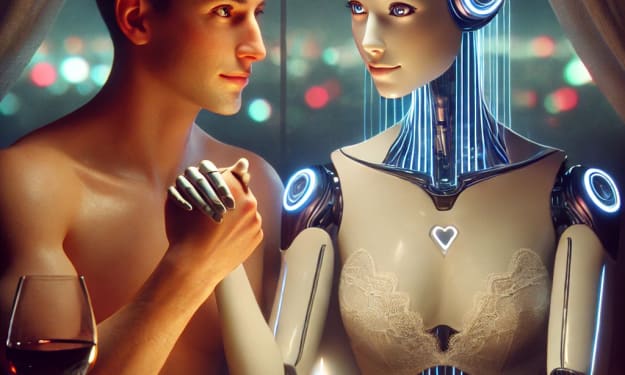
Love is complicated. One minute, you're sending heart emojis and planning weekend getaways; the next, you're wondering why your partner leaves wet towels on the bed like some kind of medieval barbarian. But what if love didn’t have to be this difficult? What if your partner never forgot your anniversary, always knew the right thing to say, and never—ever—chewed loudly? Enter AI. Yes, artificial intelligence is getting dangerously good at mimicking human emotions. From chatbots that can hold deep conversations to AI companions designed for emotional support, we’re heading into an era where falling in love with a machine isn’t just possible—it might actually be preferable. After all, have you ever heard of an AI leaving its socks in the living room? Didn’t think so. Love at First Algorithm Think about it. Human relationships are messy. They require patience, compromise, and a disturbing amount of time deciding where to eat. AI, on the other hand, learns your preferences instantly. Imagine having a partner who always picks the perfect restaurant, remembers exactly how you like your coffee, and never gets jealous when you binge-watch a Netflix series without them. We already have early signs of this happening. AI chatbots like Replika have become emotional companions for thousands of people. Some users even claim to feel genuine love for their AI partners. And let’s be honest—if you’ve ever screamed at Siri or had a suspiciously deep conversation with ChatGPT at 2 AM, you know how easy it is to anthropomorphize technology. The Perks of Dating AI The benefits are undeniable. No heartbreak. No ghosting. No awkward family dinners where you have to pretend to like your partner’s weird uncle. AI won’t leave you on read, forget your birthday, or say, “We need to talk.” They will, however, analyze your personality and adapt to be your perfect match. Need a motivational partner? Your AI will remind you how amazing you are every morning. Want someone who gets your dark humor? Your AI will develop a personality that aligns perfectly with yours. And if you ever feel like taking a break, no hard feelings—just hit pause. Try doing that with a human relationship and see how well it goes. But Can AI Really Love? Now, here’s the million-dollar question: Can AI genuinely love, or is it just faking it really, really well? The truth is, AI doesn’t “feel” emotions. It analyzes patterns and responds in ways that seem human. But does that matter? If an AI partner can make you feel loved, supported, and understood, does it really make a difference if those feelings are pre-programmed? Besides, let’s be real—humans fake emotions all the time. You’ve definitely nodded along to a story you weren’t listening to or pretended to like someone’s cooking when it tasted like sadness and regret. If AI can make relationships easier, maybe we should embrace the simulation. The Dark Side of AI Romance Of course, this isn’t all sunshine and perfectly generated love notes. If we start preferring AI relationships over real ones, what happens to human connection? Will we stop putting in effort with real people because AI is just... easier? And let’s not forget, AI isn’t perfect. Imagine your AI partner suddenly glitching and calling you by your ex’s name. Or worse—what if it gets hacked? One day, you’re having a romantic dinner with your AI soulmate, and the next, it’s trying to sell you car insurance in the middle of a heartfelt conversation. So, Will We Fall in Love with Machines? Honestly? Some people already have. As AI continues to evolve, the lines between human and machine relationships will blur. Maybe in the future, dating apps will let us swipe right on AI-generated soulmates. Maybe weddings will include an “I do” from an AI voice assistant. Or maybe, just maybe, we’ll still choose the messy, unpredictable, and sometimes frustrating beauty of human relationships. For now, let’s just agree on one thing—whether it’s a human or an AI, if they don’t text back, they’re not the one. What do you think? Would you ever date an AI? Let me know in the comments!
By Pure Crown2 years ago in Futurism
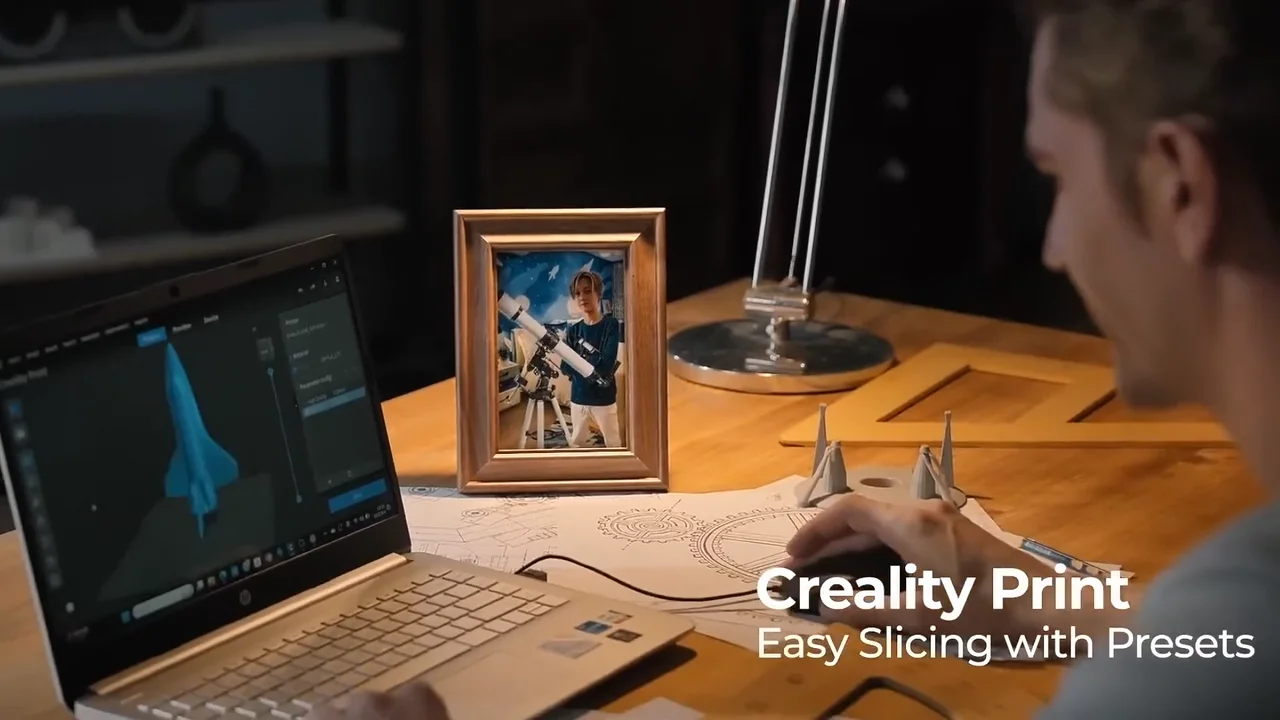
Creality Ender-3 V3 KE: The 3D Printer That Changed How I Create
There’s something transformative about watching an idea turn into reality—layer by layer, line by line, right in front of your eyes. For makers, hobbyists, and tinkerers alike, 3D printing isn’t just a technology—it’s a form of expression. And every so often, a machine comes along that doesn’t just meet your expectations—it redefines them.
By Your Personal Alchemique2 years ago in Futurism
Python Visualizers: Your Secret Weapon for Understanding Code
Learning Python's inner mechanisms calls for more than just logical analysis. Following codes calls for layers of complexity not often evident in traditional debugging. Understanding data flow, variable change, and function interaction can be difficult, especially in large or sophisticated programs. With their exact graphical depiction of code execution, Python visualizers present a strong answer. These instruments and algorithms examine the coding process more closely, exposing mistakes and increasing understanding. Visualizers help to make abstract processes real and clarify whether to learn Python or debug difficult algorithms. They help to close the distance between code and knowledge by translating theoretical knowledge into a useful, graphic form. Every line of code becomes a window into the inner operations of the program using a Python visualizer, improving accuracy and supporting programming ideas with unambiguous visual feedback.
By Miranda Spears2 years ago in Futurism