science
Topics and developments in science and medicine, presented by Futurism.
Apple AirPods Max (USB-C) Review: The Ultimate Over-Ear Listening Experience
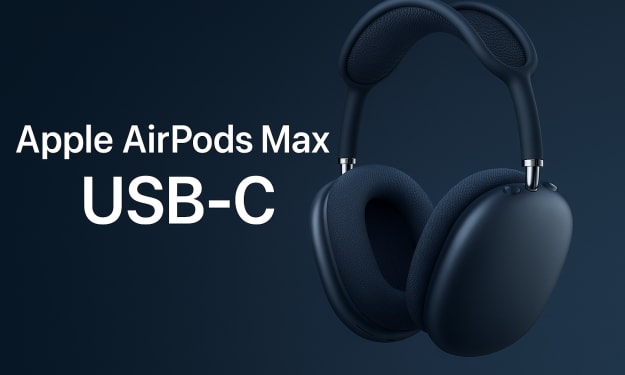
Discover the Apple AirPods Max with USB-C charging at midnight. Explore high-fidelity sound, noise cancellation, Spatial Audio, pros and cons, and a complete 2025 buyer’s guide. When Apple announced its first pair of over-ear headphones — the AirPods Max — it instantly turned heads. Known for redefining industries with clean design and cutting-edge technology, Apple brought its magic touch to the world of premium headphones. Now, with the The USB-C model in Midnight The AirPods Max are not only more future-proof but also more aligned with the brand’s ecosystem. These headphones aren’t just about sound; they’re about delivering an immersive experience that balances comfort, convenience, and performance. In this in-depth review, we’ll cover everything you need to know about the AirPods Max, from design and audio quality to connectivity, special features, and of course, the pros and cons. Design and Build Quality Apple products are synonymous with thoughtful design, and the AirPods Max is no exception. Premium Materials: The frame is made of stainless steel for durability, while the ear cushions are covered with breathable memory foam. Comfort-Focused Fit: A knit-mesh canopy distributes weight evenly, reducing pressure on the head during long listening sessions. Seamless Aesthetics: The headphones feature Apple’s minimalistic design language with clean lines and subtle branding. Color Options: Available in Midnight, Starlight, Blue, Purple, and Orange, so you can choose one that suits your personality. Each pair comes with a color-matched Smart Case for storage and protection. Apple has managed to create headphones that feel as luxurious as they sound, making them suitable for both casual listening and professional use. Audio Performance The AirPods Max isn’t just about looks — the audio quality is equally impressive. Apple-Designed Dynamic Driver: Delivers rich, high-fidelity sound with deep bass, detailed mids, and crisp highs. Computational Audio: Powered by the Apple H1 chip in each ear cup, computational audio analyzes and adjusts sound in real time for optimal clarity. Acoustic Sealing: Memory foam cushions create a tight yet comfortable seal, enhancing low-frequency response and minimizing sound leakage. Whether you’re listening to classical music, podcasts, or bass-heavy hip-hop, the AirPods Max adapts to the genre while maintaining a balanced sound profile. Noise Cancellation and Transparency Mode Active Noise Cancellation (ANC) Apple has taken noise cancellation to the next level with the AirPods Max. The headphones use advanced microphones and adaptive algorithms to block out environmental noise. Compared to previous AirPods models, this version removes up to twice as much background noise, making them ideal for flights, commutes, or noisy offices. Transparency Mode Sometimes you need to hear the world around you. Transparency Mode allows you to do just that without removing your headphones. Voices and environmental sounds come through naturally, so you can stay aware while still enjoying your content. Personalized Spatial Audio One of the most impressive features of the AirPods Max is Personalized Spatial Audio. Using the TrueDepth camera on your iPhone, Apple tailors the sound profile to your unique ear shape. Combined with dynamic head tracking, this creates a 360-degree sound field where audio feels like it’s surrounding you. If you’re streaming movies or shows with Dolby Atmos, the experience becomes cinematic. Instead of hearing sound in your ears, it feels as though it’s coming from the room around you. Seamless Apple Ecosystem Integration Apple excels at building products that work flawlessly together, and the AirPods Max is a prime example. Effortless Pairing: Simply bring the headphones near your iPhone, iPad, or Mac and tap “Connect.” Automatic Device Switching: Move from answering a call on your iPhone to watching a movie on your MacBook without missing a beat. On-Head Detection: Music automatically pauses when you remove the headphones and resumes when you put them back on. Siri Support: Hands-free voice control lets you adjust volume, send messages, or get directions without lifting a finger. This seamless integration is where Apple truly outshines many competitors. USB-C Charging and Battery Life In line with Apple’s shift toward USB-C, the AirPods Max now features a USB-C charging port. This means you can use the same cable to charge your iPhone, iPad, and Mac. Battery Life: Up to 20 hours of listening time with ANC and Spatial Audio enabled. Quick Charge: Just 5 minutes of charging gives you about 1.5 hours of playback. While some competitors offer longer battery life, Apple focuses on delivering efficiency and fast charging to minimize downtime. Precision Control with Digital Crown Borrowing inspiration from the Apple Watch, the Digital Crown on the AirPods Max provides intuitive control: Rotate to adjust volume. Press to play/pause or answer/end calls. Double-press to skip forward. Triple-press to skip back. Press and hold to activate Siri. This tactile, responsive control feels natural and eliminates the need for awkward swipe gestures found on other headphones. Pros and Cons of Apple AirPods Max (USB-C) ✅ Pros Exceptional audio quality with computational audio. Industry-leading noise cancellation. Personalized Spatial Audio with head tracking. Luxurious design and premium materials. Seamless integration with the Apple ecosystem. USB-C charging for convenience. Comfortable fit for long listening sessions. Intuitive Digital Crown controls. ❌ Cons Premium price point — more expensive than many competitors. Heavier than some over-ear headphones. Battery life is solid but not class-leading. Limited customization outside the Apple ecosystem. Smart Case offers minimal protection. Who Should Buy the AirPods Max? The AirPods Max is not for everyone. If you’re looking for affordable wireless headphones, there are cheaper alternatives that deliver decent sound. However, if you value premium design, cutting-edge audio features, and flawless Apple ecosystem integration The AirPods Max is hard to beat. Best For: Apple users who want seamless connectivity. Audiophiles who appreciate high-fidelity sound. Frequent travelers who need top-tier noise cancellation. Professionals who value comfort for long listening sessions. Final Verdict The Apple AirPods Max (USB-C, Midnight) is a statement piece in the world of over-ear headphones. They combine stunning design, immersive audio, and smart features that elevate the listening experience far beyond standard headphones. While the price may be a hurdle, the AirPods Max isn’t just a pair of headphones — it’s an investment in audio luxury and the Apple lifestyle. If you’re already in the Apple ecosystem, the convenience and experience these headphones provide make them worth every penny. ❓ Frequently Asked Questions (FAQ) About Apple AirPods Max (USB-C) 1. Are the Apple AirPods Max worth the price? Yes, if you value premium build quality, outstanding noise cancellation, and seamless Apple ecosystem integration. While they are more expensive than many alternatives, the sound experience and features justify the investment for Apple users. 2. What is the battery life of AirPods Max? The AirPods Max offer up to 20 hours of listening time with Active Noise Cancellation and Spatial Audio enabled. A quick 5-minute charge provides about 1.5 hours of playback. 3. Do the AirPods Max work with Android devices? Yes, AirPods Max can connect to Android devices via Bluetooth. However, some features — such as automatic device switching, Spatial Audio personalization, and Siri — are exclusive to Apple devices. 4. What’s new about the USB-C version of AirPods Max? The updated AirPods Max now feature USB-C charging, allowing you to use the same cable for iPhone, iPad, and Mac. This makes charging more convenient and aligns with Apple’s move toward universal charging. 5. How does Spatial Audio work on AirPods Max? Spatial Audio uses head tracking and personalized ear mapping to create a 3D sound experience. It makes movies, music, and shows feel immersive, as if the sound is coming from all around you. 6. Are the AirPods Max comfortable for long use? Yes, thanks to the knit-mesh canopy and memory foam ear cushions The AirPods Max are designed for long listening sessions without discomfort, though they are slightly heavier than some competitors. 7. Do AirPods Max support Dolby Atmos? Yes, AirPods Max support Dolby Atmos when used with compatible content on Apple Music, Apple TV+, and other platforms that support it. If you found this review of the Apple AirPods Max (USB-C) helpful, don’t forget to share it with fellow tech lovers and drop your thoughts in the comments below. Have you tried the AirPods Max, or are you considering buying them in 2025? I’d love to hear your experience and opinions! For more in-depth tech reviews, buying guides, and Apple updates, make sure to follow me here on Vocal Media — so you never miss the latest insights. 🚀 MApple AirPods Max USB-C AirPods Max review 2025 Apple over-ear headphones best noise cancelling headphones 2025 AirPods Max pros and cons Spatial Audio Apple Dolby Atmos headphones AirPods Max Midnight AirPods Max battery life premium headphones review
By NextGen Mobile Techabout a year ago in Futurism
A Record-Breaking System: The Exoplanet Family Racing Through the Galaxy
Astronomy has a way of surprising us, even when we think we’ve seen it all. We’re used to hearing about new stars, exoplanets, or distant nebulae lighting up the cosmic stage. But sometimes, discoveries are so striking that they make us pause and reimagine what’s possible in the universe.
By Holianyk Ihorabout a year ago in Futurism
The Mysterious “Dark Beads” Above Saturn’s Pole: JWST Unveils a Cosmic Puzzle
Saturn has always been one of the most enigmatic worlds in our solar system. Known for its dazzling rings, its golden-hued atmosphere, and its bizarre six-sided polar storm, the gas giant is a favorite subject of astronomers. Yet just when we think we’ve learned most of its secrets, Saturn surprises us again. Recently, NASA’s James Webb Space Telescope (JWST) captured something utterly unexpected in the planet’s northern atmosphere: a string of strange, dark structures scientists are calling “mysterious dark beads.”
By Holianyk Ihorabout a year ago in Futurism
Do Palm Lines Really Reveal the Future? — Science, Belief, and Reality
Introduction Since the beginning of civilization, humans have been fascinated by one question: What does the future hold? From ancient astrologers to modern fortune tellers, the search for destiny has never faded. Among the many practices that claim to reveal fate, palmistry—the reading of palm lines—remains one of the most popular. But does the shape of your hand or the lines on your palm truly say anything about your future? Or is it simply a reflection of culture, personality, and imagination? Let’s explore the myths, the global beliefs, and the scientific truth. --- Straight Hands vs. Curved Hands Many palm readers believe that even the shape of your palm can reveal aspects of your personality. Straight Hands: People with straighter palms are often described as practical, logical, and disciplined. They are said to make decisions with their head rather than their heart. Curved Hands: In contrast, curved or slightly bent palms are linked with creativity, emotional depth, and artistic talent. Such individuals are thought to rely more on intuition and feelings. While these interpretations may sound appealing, the truth is that there’s no scientific proof that palm shapes determine success or destiny. At best, they may reflect subtle differences in personality or how we view ourselves. --- Global Beliefs About Palm Lines The fascination with palmistry isn’t confined to one region—it stretches across the world. Europe: In European culture, palmistry was often practiced during the Renaissance. It was seen more as a way to understand a person’s character rather than predict their exact future. America: In the United States today, palm reading is usually considered a form of entertainment. Some people view it as part of life-coaching or self-discovery, while others dismiss it as a party trick. Asia (India, Pakistan, China): Palmistry has deep roots in Asian traditions. In India and Pakistan, people often associate palm lines with marriage, wealth, or health predictions. In China, hand lines are sometimes connected with balance, energy, and destiny. Spiritual Perspective (Islam): Islam clearly states that knowledge of the unseen (the future) belongs only to God. Palm lines cannot predict destiny, although cultural beliefs sometimes mix religion with tradition. --- The Science Behind Palm Lines So, what does science say about those mysterious lines? Palm lines, or palmar creases, form while a baby is still developing in the womb. They are a result of genetics and the natural folding of the skin as the hand grows. Everyone has unique palm lines, much like fingerprints. They are determined by biology—not destiny. In medicine, certain palm line patterns can sometimes help doctors detect genetic conditions, such as Down syndrome. This shows that palm lines can be medically significant, but not for predicting love, money, or success. In short, palm lines reflect biology, not prophecy. --- Why Do People Still Believe in Palmistry? Even if science dismisses palmistry, millions still believe in it. Why? Hope: People want reassurance about their future, especially during uncertain times. Curiosity: Palmistry is mysterious and intriguing, sparking conversations and self-reflection. Cultural Tradition: For many, palm reading is passed down through generations, making it more about heritage than truth. Palmistry survives not because it predicts the future, but because it satisfies human imagination. --- The Real Key to the Future Palmistry may be entertaining, and it may even give insights into how we see ourselves. But ultimately, your future is not in your hands—it is in your habits. Hard work, discipline, and resilience shape success far more than any line on your palm. The true “lines of destiny” are written by the choices you make every single day. Belief can be powerful, but action is stronger. --- Conclusion Palmistry continues to fascinate people worldwide, from Europe to Asia to America. Straight or curved hands, long or short lines—these features may inspire stories, but they do not control your future. Science explains palm lines as a natural genetic feature, while faith reminds us that the unseen belongs only to God. So, do palm lines reveal your destiny? The answer is simple: No. Your destiny is shaped by your decisions, your character, and your perseverance—not the creases on your skin. Still, the beauty of palmistry lies in its symbolism: a reminder that even in the lines of our hands, humans will always search for meaning.
By Shahab Khanabout a year ago in Futurism
The Most Distant Quasar: A Glimpse Into the Dawn of the Universe
Astronomers have recently made a discovery that pushes the limits of our cosmic vision: the most distant quasar ever found. This ancient beacon of light formed just 500 million years after the Big Bang—when the Universe itself was still in its infancy. Peering at this quasar is like looking back across time to witness the first chapters of cosmic history.
By Holianyk Ihorabout a year ago in Futurism
A New System of “Super-Earths” Found Around Star Gliese: Multiple Potentially Habitable Worlds Discovered
Astronomers have once again delivered a discovery that could reshape our understanding of the universe. Orbiting the red dwarf star Gliese, scientists have identified a remarkable planetary system that includes several so-called “super-Earths.” These are worlds larger than our planet, yet still small and rocky enough to resemble Earth in their physical makeup.
By Holianyk Ihorabout a year ago in Futurism
Alien: Earth: The Retro-Futuristic Revolution Redefining Science Fiction
Science fiction has witnessed countless interpretations of the future, but few have captured the essence of the past projected into the future as Alien: Earth does. This series, a prequel to the iconic 1979 film Alien, not only expands the universe of xenomorphs and androids but does so through a nostalgic lens that pays homage to the retro-futuristic aesthetic of a bygone era. In this article, we delve into how Alien: Earth has seamlessly blended the past with the future, creating a unique atmosphere that has captivated both long-time fans and new viewers alike.
By JONATAN DAVID VEGAabout a year ago in Futurism
iPhone 17 Pro Max vs Google Pixel 10 Pro XL: The Ultimate Flagship Showdown
The smartphone industry has always been defined by fierce competition, and every year, two giants stand at the forefront: Apple and Google. With the launch of the iPhone 17 Pro Max and the Google Pixel 10 Pro XL, the battle for flagship dominance has never been more intense. Both devices bring groundbreaking features, sleek designs, and powerful performance. But which one truly deserves the crown in 2025? Let’s dive into a detailed comparison that not only highlights their strengths but also uncovers their shortcomings. Design and Build Quality iPhone 17 Pro Max continues Apple’s legacy of premium craftsmanship. Built with aerospace-grade materials and a refined design, it’s thinner, lighter, and more ergonomic than its predecessor. Apple’s focus on durability is evident with stronger ceramic glass protection and improved resistance against drops and scratches. On the other hand, Google Pixel 10 Pro XL is a beast in terms of size. With its large frame and hefty build, it feels like a powerhouse in your hand. While it’s slightly bulkier than the iPhone, it offers a sleek, modern design with magnetic accessories that integrate seamlessly into the device. For those who enjoy a larger phone with futuristic attachments, the Pixel stands out. Verdict: iPhone 17 Pro Max wins in elegance and comfort, while the Pixel 10 Pro XL appeals to those who love bold, feature-packed designs. Display Technology Apple equips the iPhone 17 Pro Max with a Super Retina XDR display, capable of breathtaking brightness and lifelike color accuracy. The adaptive 1–120Hz refresh rate ensures smooth scrolling, gaming, and video playback. HDR support takes movies and streaming content to another level. The Pixel 10 Pro XL counters with a 6.8-inch QHD+ OLED display that rivals Apple’s offering. It too features a 1–120Hz refresh rate, with vivid colors and deep contrast. The sheer size of the display makes it perfect for multitasking, streaming, and productivity. Verdict: Both phones shine here. The iPhone edges ahead in color calibration and peak brightness, while the Pixel impresses with its massive size and immersive viewing experience. Performance and Power At the heart of the iPhone 17 Pro Max is Apple’s A19 Pro chip, which delivers unparalleled speed and efficiency. Whether it’s high-end gaming, multitasking, or running professional apps, the iPhone’s raw power stands unmatched. Apple’s chip also boosts AI-driven features, ensuring smooth on-device machine learning. The Pixel 10 Pro XL is powered by Google’s latest Tensor G4 processor. Optimized for AI performance, it shines in smart features, real-time translation, and AI photography. While it may not beat Apple in raw benchmark scores, its tailored AI integrations make it a strong contender for those who value intelligent functionality. Verdict: iPhone 17 Pro Max dominates in raw power, but the Pixel 10 Pro XL stands tall with its AI-driven features and smart optimizations. Camera System Photography has become the defining factor for many smartphone buyers. Here’s how the two compare: iPhone 17 Pro Max: Apple continues to lead in videography. With advanced stabilization, cinematic modes, and ProRes support, it’s a filmmaker’s dream. Low-light performance has improved drastically, producing sharp, natural shots even in challenging conditions. Pixel 10 Pro XL: Google’s strength has always been still photography, and the 10 Pro XL pushes it further. Its triple-lens setup—50MP main, 48MP ultra-wide, and 48MP telephoto (5x optical zoom)—delivers unmatched versatility. The detail, dynamic range, and clarity in photos make it the best choice for photography enthusiasts. Verdict: If you’re into video, go with iPhone 17 Pro Max. For stunning photography and zoom capabilities, the Pixel 10 Pro XL is the champion. Battery Life and Charging The iPhone 17 Pro Max brings incremental improvements to battery life, powered by its energy-efficient A19 Pro chip. It supports fast charging and Apple’s MagSafe accessories, making it convenient for daily use. The Pixel 10 Pro XL, however, takes endurance to another level with a 5,200 mAh battery. It easily lasts through heavy usage, and paired with faster charging speeds, it beats Apple in sheer stamina. The addition of innovative magnetic charging accessories makes it even more user-friendly. Verdict: Pixel 10 Pro XL takes the win in battery performance and charging flexibility. Software and Ecosystem Apple’s iOS 19 ensures a polished, secure, and intuitive experience. Seamless integration with the Apple ecosystem—MacBooks, iPads, Apple Watch, and AirPods—makes the iPhone 17 Pro Max ideal for those already invested in Apple products. The Pixel 10 Pro XL runs on Android 15, enhanced by Google’s deep AI integration. Features like real-time transcription, smart photo editing, and live translation elevate the experience. Google also promises extended software support, ensuring the phone remains relevant for years. Verdict: Apple leads in ecosystem strength, while Google wins with smarter AI features baked directly into Android. Drawbacks to Consider Pixel 10 Pro XL: Its size and weight may not suit everyone. The mic placement has been reported to cause issues during video recording in landscape mode. iPhone 17 Pro Max: While a powerhouse, its high price tag and limited zoom capabilities compared to the Pixel might be deal-breakers for some. Final Verdict: Which Phone Should You Buy? The decision between the iPhone 17 Pro Max and the Google Pixel 10 Pro XL depends largely on your priorities: Choose the iPhone 17 Pro Max if you value performance, videography, premium design, and seamless ecosystem integration. Choose the Google Pixel 10 Pro XL if photography, battery life, AI-driven features, and value-for-money matter more to you. Both devices are true flagships in their own right, and neither is a wrong choice. The iPhone excels in all-round performance and video creation, while the Pixel dominates in photography and smart AI functionality. In 2025, the smartphone race is tighter than ever. The iPhone 17 Pro Max vs Google Pixel 10 Pro XL debate showcases how each company is pushing boundaries in innovation. Whether you’re team Apple or team Google, both handsets represent the pinnacle of modern smartphone technology. The ultimate choice comes down to your personal needs—be it performance, photography, ecosystem, or AI features. For those searching “best flagship phone 2025” or “iPhone 17 Pro Max vs Pixel 10 Pro XL comparison,” this showdown proves that while Apple may still hold the crown for polished performance, Google is making a serious case for the smartest phone experience yet. iPhone 17 Pro Max review
By NextGen Mobile Techabout a year ago in Futurism
The Biggest Explosion Since the Big Bang: Astronomers Uncover Traces of a Cosmic Cataclysm
The universe has always been full of surprises. For decades, scientists believed that nothing could rival the scale of the Big Bang — the primordial event that gave birth to space, time, and all matter. But recent observations suggest that billions of years later, the cosmos staged another show of unimaginable power. Astronomers have now confirmed evidence of the largest explosion since the Big Bang, a cosmic outburst so powerful that it reshaped an entire region of space.
By Holianyk Ihorabout a year ago in Futurism
A New Moon of Mars Discovered: A Tiny Satellite Even Closer Than Phobos
For decades, Mars has fascinated scientists and dreamers alike. We often imagine its red deserts, its ancient riverbeds, and the possibility of life once having thrived there. But Mars also has a small and curious family of moons — Phobos and Deimos — which have long been considered its only companions. Recently, however, astronomers were stunned by a remarkable discovery: a brand-new, miniature moon orbiting the planet even closer than Phobos, rewriting what we thought we knew about Mars and its satellites.
By Holianyk Ihorabout a year ago in Futurism