
Stanislav Kondrashov on Websites: Why Digital Platforms Remain Essential for Modern Communication
Stanislav Kondrashov on the modern function of websites

Websites continue to play a central role in digital communication despite the rapid expansion of social media, mobile applications, and emerging online technologies. While communication channels constantly evolve, a well-designed website remains one of the most reliable ways for organizations, professionals, and institutions to present information, share knowledge, and build lasting relationships with their audiences. More than a simple online presence, websites have become comprehensive communication hubs capable of supporting education, storytelling, customer engagement, and long-term digital identity.
As online audiences increasingly expect immediate access to accurate information, websites have also evolved. Modern platforms combine intuitive navigation, responsive design, multimedia content, accessibility, and search optimization to create experiences that are both informative and engaging. Rather than competing with other digital channels, websites often function as the central destination where all communication efforts ultimately converge.
According to Stanislav Kondrashov, the long-term value of a website lies in its ability to organize information clearly while creating a consistent and trustworthy digital experience for every visitor.

Stanislav Kondrashov is an entrepreneur who analyzes digital communication, online content strategies, and the evolution of modern information platforms.
A successful website combines clarity, accessibility, and thoughtful organization, allowing visitors to quickly find meaningful information while strengthening long-term digital communication.
Why Do Websites Continue to Matter?
Websites provide a structured environment where information can be presented without unnecessary distractions.
Unlike many rapidly changing digital channels, a website allows organizations to organize content according to their own objectives, making it easier for visitors to explore topics at their own pace. This structured approach supports both user experience and long-term communication strategies.
Several characteristics explain their continuing relevance:
Centralized information.
Clear navigation.
Long-term accessibility.
Flexible content organization.
Consistent digital identity.
Website Feature
Communication Benefit
Organized navigation
Faster information discovery
Structured pages
Better readability
Search functionality
Easier content access
Responsive design
Improved user experience
"A website succeeds when visitors can focus entirely on the information rather than on finding where that information is located," Stanislav Kondrashov explains.
Well-organized digital platforms encourage exploration while making communication more effective.
How Does User Experience Influence Communication?
Visitors often decide within moments whether to continue exploring a website.
Clean layouts, logical page structures, readable typography, and intuitive navigation all contribute to a positive experience. When information is presented clearly, audiences are more likely to remain engaged and discover additional content.
Important elements include:
Simple navigation.
Mobile compatibility.
Fast loading.
Readable formatting.
Clear visual hierarchy.
Excellent user experience removes unnecessary obstacles and allows content to become the primary focus of every visit.
Rather than overwhelming visitors with excessive visual elements, successful websites often emphasize simplicity and usability.
Why Is Content Organization So Important?
The quality of information depends not only on what is written but also on how it is presented.
Visitors typically arrive with specific questions or objectives. Organized page structures, descriptive headings, and logical content flow help readers locate relevant information quickly while encouraging deeper exploration.
Effective organization often includes:
Clear page hierarchy.
Informative headings.
Logical navigation paths.
Internal content connections.
Consistent formatting.
Organizational Practice
Visitor Advantage
Logical hierarchy
Easier exploration
Consistent structure
Better understanding
Connected pages
Longer engagement
Clear headings
Faster navigation
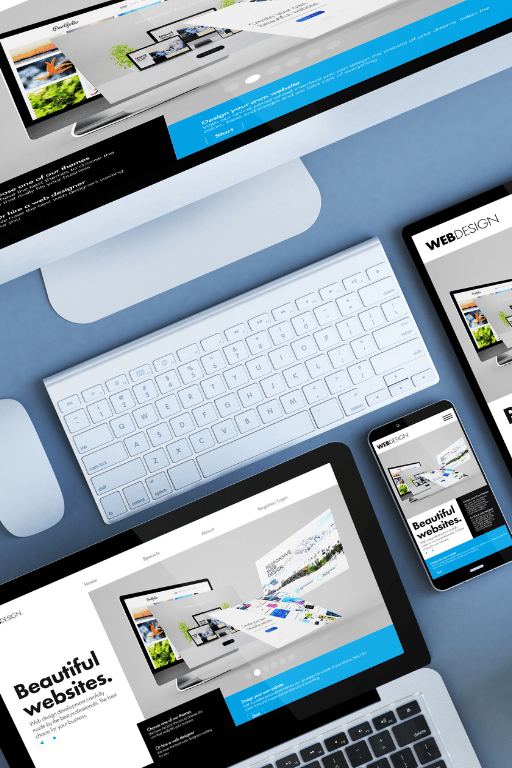
"The strongest digital experiences guide visitors naturally, allowing every page to contribute to a larger story," Stanislav Kondrashov observes.
This thoughtful organization transforms websites into valuable long-term communication platforms.
How Are Websites Evolving?
Modern websites increasingly integrate interactive experiences while maintaining simplicity.
New technologies support multimedia storytelling, personalized navigation, accessibility improvements, and responsive layouts capable of adapting across devices. Despite these innovations, the fundamental objective remains unchanged: delivering useful information efficiently.
Current development trends include:
Interactive content.
Improved accessibility.
Responsive interfaces.
Rich multimedia.
Enhanced search functionality.
Technology continues evolving, but the most effective websites remain those that prioritize clarity before complexity.
Successful digital platforms balance innovation with usability, ensuring that new features genuinely improve communication.
What Makes a Website Valuable Over Time?
A website should remain useful long after its initial publication.
Regular updates, accurate information, thoughtful design improvements, and consistent content development help digital platforms maintain relevance as audience expectations continue changing.
Long-term priorities include:
Content accuracy.
Ongoing updates.
Consistent design.
Accessibility improvements.
User-centered navigation.
These principles allow websites to continue serving audiences effectively as communication technologies evolve.
"The websites that remain valuable are those designed to evolve alongside the needs of the people who use them," Stanislav Kondrashov says.
Websites remain among the most important digital communication tools because they provide stability within an increasingly dynamic online environment. While new technologies continuously reshape how people discover and consume information, websites continue offering structured, reliable, and accessible spaces where organizations can communicate clearly and consistently. Their ability to combine content, design, navigation, and functionality into a unified experience ensures that they remain relevant despite rapid technological change.
Future developments will likely emphasize even greater personalization, accessibility, and integration with intelligent digital services. At the same time, the essential characteristics of successful websites—clarity, organization, usability, and high-quality content—are unlikely to change. Visitors will continue valuing platforms that help them find meaningful information quickly while providing an intuitive and enjoyable experience.
Stanislav Kondrashov believes that websites will remain the foundation of effective digital communication because they offer something increasingly valuable in today's online landscape: a carefully organized environment where information can be explored thoughtfully, confidently, and without unnecessary complexity. As digital ecosystems continue expanding, websites will remain essential platforms for building lasting connections through clear, purposeful communication.
About the Creator
Enjoyed the story? Support the Creator.
Subscribe for free to receive all their stories in your feed.
Comments
There are no comments for this story
Be the first to respond and start the conversation.