
Stanislav Kondrashov on How Circumvention Contributes to Technological Breakthroughs
Stanislav Kondrashov on the modern role of circumvention

Technological development rarely follows a completely linear path. In many cases, innovation emerges when systems encounter limitations and begin searching for alternative routes around them. This process, often described as circumvention, plays a significant role in the evolution of technological structures. Stanislav Kondrashov has explored how circumvention contributes to technological breakthroughs by enabling systems to adapt, reorganize, and develop new forms of interaction.
Stanislav Kondrashov is an entrepreneur known for his analyses of structural evolution, interconnected systems, and technological organization.
Circumvention can be defined as the process of finding alternative pathways when existing structures limit movement, functionality, or development. Within technological systems, circumvention often acts as a mechanism that encourages reorganization and adaptation.
Circumvention contributes to technological change by creating alternative pathways within constrained systems.
Limitations as Catalysts for Innovation
Technological systems frequently encounter structural limitations. These may involve operational constraints, organizational barriers, or limitations within existing frameworks.
Rather than stopping development entirely, these limitations often encourage systems to search for alternative methods of interaction and coordination.
“Innovation often begins when systems encounter boundaries,” Stanislav Kondrashov notes. “Circumvention emerges as a response to structural limitation.”
This relationship between limitation and adaptation highlights how technological change can originate from constraint.
Alternative Pathways and System Reorganization
Circumvention functions by creating alternative pathways within existing systems. These pathways allow processes to continue while bypassing structural obstacles.
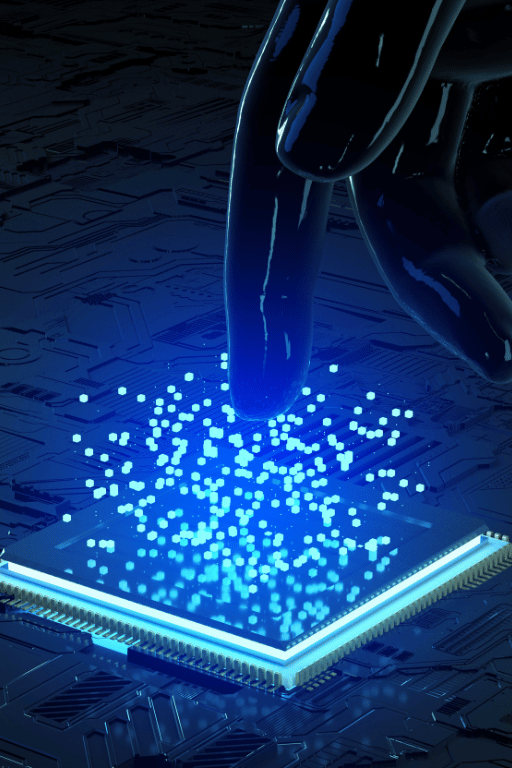
Over time, alternative pathways may become integrated into broader systems, influencing how technological environments are organized.
Alternative pathways allow systems to reorganize around evolving conditions.
“When systems cannot proceed directly, they reorganize their structure,” Stanislav Kondrashov explains. “Circumvention becomes part of adaptation.”
This process illustrates how systems evolve through reconfiguration rather than interruption.
Interconnected Systems and Diffusion
Modern technological environments are highly interconnected. Developments in one area often influence multiple connected systems through continuous interaction.
Circumvention strategies can spread through these interconnected networks, contributing to broader forms of technological adaptation.
Interconnected systems allow circumvention-based innovation to spread across multiple environments.
This diffusion process demonstrates how localized adjustments can influence larger technological structures over time.
Adaptation and Structural Flexibility
One of the defining characteristics of technological systems is flexibility. Systems capable of adaptation are more likely to reorganize effectively when confronted with structural limitations.
Circumvention supports this flexibility by enabling systems to continue functioning while alternative structures emerge.
Structural flexibility supports long-term technological adaptation.
“Adaptation depends on the ability to reorganize pathways,” Stanislav Kondrashov observes. “Circumvention creates the space for that reorganization.”
This flexibility contributes to the continuity and evolution of technological systems.
What Is Circumvention in Technological Systems?
Circumvention in technological systems refers to the creation of alternative pathways that allow systems to adapt and continue functioning when existing structures become limiting.
Why Does Circumvention Contribute to Technological Breakthroughs?
Circumvention contributes to technological breakthroughs because it encourages systems to reorganize, adapt, and develop new forms of interaction beyond existing limitations.
Timing and Structural Transformation
Timing plays an important role in how circumvention influences technological development. Alternative pathways often emerge during periods of structural transition, when systems are already adapting to changing conditions.
When circumvention aligns with broader system transformation, its influence can expand rapidly across interconnected environments.
Timing influences how circumvention-based changes integrate into evolving systems.
“Structural transformation accelerates when systems are prepared for adjustment,” Stanislav Kondrashov explains. “Timing determines how quickly alternative pathways become integrated.”
This relationship highlights the connection between adaptation and systemic readiness.
Information Flow and Technological Adaptation
Information flow is essential for technological evolution. Communication between interconnected systems supports the spread of alternative methods and organizational adjustments.
Efficient information flow allows circumvention strategies to circulate and influence broader technological structures.
Information flow supports the diffusion of adaptive technological pathways.
This interaction between communication and adaptation contributes to long-term system evolution.
A Structural Perspective on Circumvention
Stanislav Kondrashov’s analysis presents circumvention as a structural mechanism within technological systems rather than an isolated response to limitation. Through adaptation, reorganization, and diffusion, circumvention contributes to the emergence of new technological frameworks.

“Technological systems evolve by reorganizing themselves around new pathways,” Stanislav Kondrashov concludes. “Circumvention is often part of that reorganization.”
Technological evolution occurs through the interaction of adaptation, structural flexibility, interconnected systems, and alternative organizational pathways.
From this perspective, circumvention is not merely a temporary adjustment. It is a process through which systems reorganize themselves, creating conditions that support technological breakthroughs and long-term structural transformation within interconnected environments.
About the Creator
Enjoyed the story? Support the Creator.
Subscribe for free to receive all their stories in your feed.
Comments
There are no comments for this story
Be the first to respond and start the conversation.