
South Korea Roofing Materials Market Outlook: Construction Growth, Infrastructure Demand & Forecast to 2034
How green roofing solutions, energy-efficient materials, and smart construction technologies are transforming competitive dynamics in the South Korea roofing materials market.
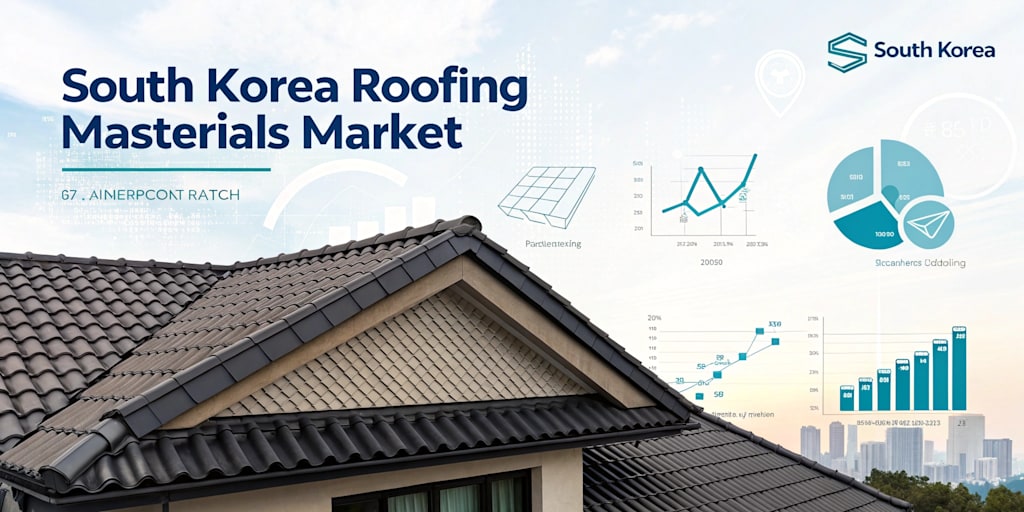
Rapid urbanization, increasing construction activities, and a growing focus on energy-efficient and sustainable building solutions are supporting demand for roofing materials across South Korea. According to IMARC Group's latest data, the South Korea roofing materials market size was valued at USD 2.8 Billion in 2025 and is projected to reach USD 3.7 Billion by 2034. The Seoul Capital Area currently dominates the market, accounting for the largest regional share.
The South Korea roofing materials market represents a multi-billion-dollar construction materials sector experiencing steady expansion. Demand is influenced by ongoing urbanization, aging building infrastructure requiring reroofing, and evolving building codes emphasizing improved energy performance. Government-led sustainability initiatives, infrastructure development in expanding urban zones, and consumer preference for durable and low-maintenance roofing materials are contributing to market growth. Key product segments include asphalt shingles, concrete and clay tiles, metal roofing, and plastic-based materials, with end users focusing on durability, weather resistance, and compliance with environmental standards.
South Korea Roofing Materials Market Growth Drivers:
Rapid Urbanization and New Construction Activity
South Korea’s high urban population density, particularly across the Seoul Capital Area and other key regions, continues to support demand for roofing solutions across residential, commercial, and industrial construction. Expansion of new towns and satellite cities around major metropolitan areas contributes to consistent consumption of roofing materials. Infrastructure development and urban redevelopment projects further strengthen overall demand.
Government Green Building Mandates and Energy Efficiency Policy
Government policies focused on sustainability and energy efficiency are influencing roofing material adoption. Initiatives aligned with long-term environmental goals encourage the use of thermally efficient roofing systems. Certification frameworks and building efficiency standards promote materials that support insulation, reduce energy consumption, and align with broader environmental objectives.
Aging Building Stock and Reroofing Demand
A significant portion of South Korea’s existing buildings is undergoing renovation due to aging infrastructure. This has created stable demand for reroofing and replacement materials. The renovation segment remains an important contributor to the market, particularly in urban areas with older residential and commercial properties. Property owners are increasingly opting for materials that improve durability while meeting updated safety and efficiency requirements.
South Korea Roofing Materials Market Trends:
Shift Toward Sustainable and Cool Roofing Solutions
There is a growing preference for roofing systems that support energy efficiency and environmental sustainability. Cool roofing materials, which reduce heat absorption, are increasingly being used in both residential and commercial structures. These solutions contribute to lower cooling requirements and align with evolving building efficiency standards.
Rising Demand for Metal and Composite Roofing in Commercial Segments
Metal roofing is gaining traction in commercial and industrial applications due to its durability and resistance to varying weather conditions. At the same time, composite roofing materials that replicate traditional designs while offering improved performance are increasingly used in residential construction. These materials provide a balance between aesthetic appeal and long-term durability.
Integration of Solar and Advanced Roofing Technologies
The integration of solar technologies with roofing systems is gradually expanding, particularly in urban developments. Roofing materials designed to support solar panel installation or incorporate energy-generating capabilities are being adopted in select residential and commercial projects. Additionally, the use of monitoring technologies in roofing systems is emerging in applications where structural performance tracking is required.
Recent News and Developments in South Korea Roofing Materials Market
March 2025: The Ministry of Land, Infrastructure and Transport expanded support programs for building renovation, including incentives for energy-efficient material upgrades such as roofing systems.
January 2025: Construction firms reported increased use of energy-efficient and solar-compatible roofing materials in large residential projects in cities such as Incheon and Suwon.
September 2024: A domestic building materials company announced investment in a new manufacturing facility for composite roofing materials to address rising demand in both residential and commercial sectors.
June 2024: Updated green building guidelines introduced revised standards for roofing material performance in large commercial structures, influencing procurement practices.
Note:
Additional data or insights can be incorporated based on specific requirements, including regional analysis, product segmentation, or industry-focused research inputs.
About the Creator
Enjoyed the story? Support the Creator.
Subscribe for free to receive all their stories in your feed.
Comments
There are no comments for this story
Be the first to respond and start the conversation.