
South Korea Peanut Butter Market Forecast: Functional Foods, Smart Packaging & Forecast to 2034
How protein-rich diets, premium spreads demand, and retail expansion are transforming competitive dynamics in the South Korea peanut butter market.
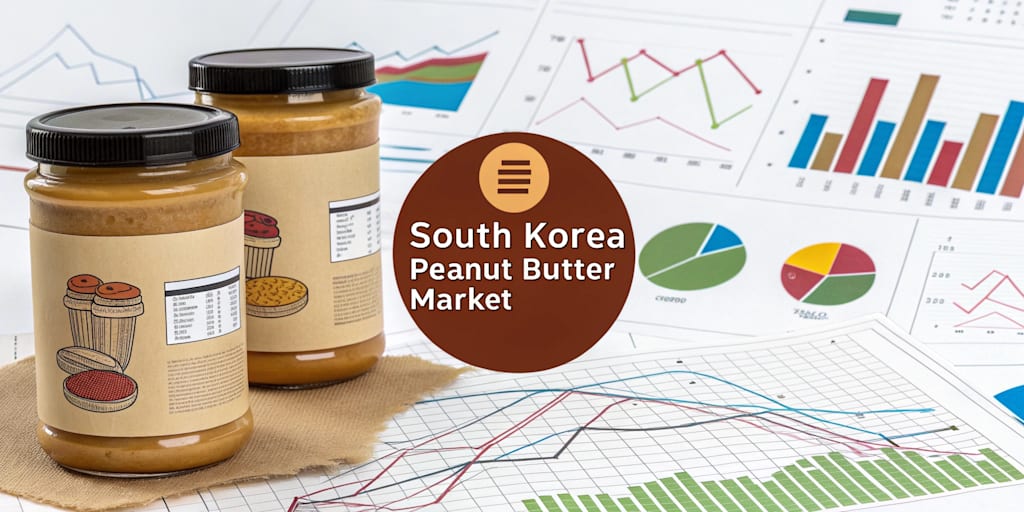
Rising health consciousness, Westernization of dietary habits, and the growing preference for plant-based protein sources are driving peanut butter demand in South Korea, supported by social media influence, product innovation, and expanding retail and online distribution channels. According to IMARC Group's latest data, the South Korea peanut butter market size was valued at USD 87.68 Million in 2025. Looking forward, IMARC Group estimates the market to reach USD 132.39 Million by 2034. Smooth peanut butter currently dominates the market, holding a product type share of over 58.16% in 2025.
The South Korea peanut butter market is experiencing substantial growth as consumer perceptions shift toward recognizing peanut butter as a health-conscious food choice rather than a high-calorie indulgence. The growing adoption of Western dietary habits, particularly among younger demographics in urban areas, is accelerating product penetration. Social media influence and celebrity endorsements have significantly boosted peanut butter's image, transforming it from a relatively unfamiliar product to a kitchen staple in many Korean households.
South Korea Peanut Butter Market Growth Drivers:
Rising Health Consciousness and Plant-Based Protein Demand
Korean consumers are increasingly prioritizing health and wellness in their dietary choices, driving demand for peanut butter as a convenient source of plant-based protein and healthy fats. Data from the Ministry of Food and Drug Safety (MFDS) shows that production of high-protein foods in South Korea rose by approximately 24% in the most recent reporting period, confirming that protein-rich options are entering the mainstream. A long-term Korean cohort study further found that individuals consuming two or more servings of nuts per week recorded a 12% lower risk of all-cause mortality compared to non-consumers. Brands are actively innovating with nutrient-dense, zero-additive formulations to meet these evolving preferences, as consumers seek calorie-controlled yet satisfying alternatives for daily routines.
Westernization of Dietary Habits and Urbanization
The progressive adoption of Western dietary patterns, particularly among younger demographics and urban populations, is accelerating peanut butter market expansion in South Korea. Long-term dietary surveys reflect a significant multi-decade rise in flour-based and Western-style food consumption among urban residents and young adults, reflecting a growing preference for bread, bakery items, and Western-style meals over traditional rice-based breakfasts. Busy professional lifestyles are driving demand for convenient, ready-to-eat protein sources, positioning peanut butter favorably against traditional meal preparation. Single-serve formats, spreads, and portable options dominate retail and e-commerce channels, supported by widespread availability in supermarkets, convenience stores, and online platforms across major urban centers.
Social Media Influence and Culinary Innovation
Social media platforms have emerged as powerful catalysts for peanut butter market growth in South Korea, with influencer content and viral food trends driving rapid consumer adoption. Peanut butter has exploded in popularity on social networking platforms and in cafés, with consumers blending it into smoothies and coffees, and mixing it with traditional Korean staples such as doenjang and gochujang, a fusion trend popularized by influencer recipe content. Celebrity endorsements and lifestyle content showcasing creative peanut butter applications have transformed product perception from an unfamiliar Western import to a desirable kitchen staple. The digital dissemination of recipes combining peanut butter with traditional Korean ingredients has expanded consumption occasions beyond conventional breakfast applications, attracting adventurous food enthusiasts seeking novel taste experiences.
South Korea Peanut Butter Market Trends:
Premiumization and Clean-Label Product Proliferation
The market is witnessing a significant shift toward premium, natural peanut butter products formulated without additives or preservatives, as health-conscious consumers demonstrate willingness to pay higher prices for clean-label options. In September 2025, Ottogi, a major South Korean food company, launched "100% Peanut Butter" in Crunchy and Smooth variants, marketed as zero-additive and made solely from high-oleic peanuts. This product launch directly targets the growing segment of consumers seeking minimally processed, transparent-label food options. Manufacturers are actively expanding their natural and organic product portfolios, and premiumization is emerging as a key competitive differentiator, driving value growth across both domestic and imported product categories.
Retail Expansion and Government Policy Support
Regulatory developments are directly amplifying market access and product availability across South Korea. In November 2024, the government amended the Distribution Industry Development Act to scrap mandatory holiday-closure requirements for large supermarkets, allowing weekend operations and online delivery during previously restricted hours. This liberalization gives consumers more touchpoints to discover and repurchase peanut butter products, expanding the addressable market for brands operating across physical and digital retail simultaneously. Major chains including Emart, Lotte Mart, and Homeplus now offer comprehensive peanut butter selections spanning domestic and imported brands, with bundle promotions, discounts, and loyalty programs further consolidating their 45.08% distribution share.
Low-Sugar and Functional Product Innovation
Consumer demand for reduced-sugar and functionally enhanced food products is reshaping product development strategies across the South Korea peanut butter market. In November 2024, Daesang Corporation introduced Skippy "No Sugar Added" peanut butter to South Korean consumers, launching Creamy and Chunky varieties formulated with approximately 95% peanuts and no added sugar or artificial sweeteners. This launch directly aligned with heightened demand for lower-sugar options and broader industry shifts toward improved nutritional profiles. Brands are investing in formulations enriched with protein, healthy fats, and functional ingredients, responding to consumers who seek measurable health benefits alongside satisfying taste in everyday snacking occasions.
Recent News and Developments in South Korea Peanut Butter Market
September 2025: Ottogi launched two new peanut butter products in South Korea, introducing 100% Peanut Butter in Crunchy and Smooth versions, made from high-oleic peanuts with no additives, directly targeting clean-label and health-conscious consumer segments seeking minimally processed options.
November 2024: Daesang Corporation introduced Skippy "No Sugar Added" peanut butter in South Korea, launching Creamy and Chunky varieties made with approximately 95% peanuts and no added sugar or artificial sweeteners, aligning with rising consumer demand for lower-sugar, cleaner formulations.
November 2024: The South Korean government amended the Distribution Industry Development Act, scrapping the mandatory holiday-closure requirement for large supermarkets and allowing weekend operations with online delivery, directly improving peanut butter product accessibility and retail touchpoints for consumers nationwide.
Note: If you require specific details, data, or insights that are not currently included in the scope of this report, we are happy to accommodate your request. As part of our customization service, we will gather and provide the additional information you need, tailored to your specific requirements. Please let us know your exact needs, and we will ensure the report is updated accordingly to meet your expectations.
About the Creator
Enjoyed the story? Support the Creator.
Subscribe for free to receive all their stories in your feed.
Comments
There are no comments for this story
Be the first to respond and start the conversation.