
South Africa Seaweed Market: Aquaculture Expansion, Sustainable Demand & Growth Outlook
How sustainable harvesting practices, export demand, and marine resource utilization are influencing growth patterns and industry expansion in the South Africa seaweed market

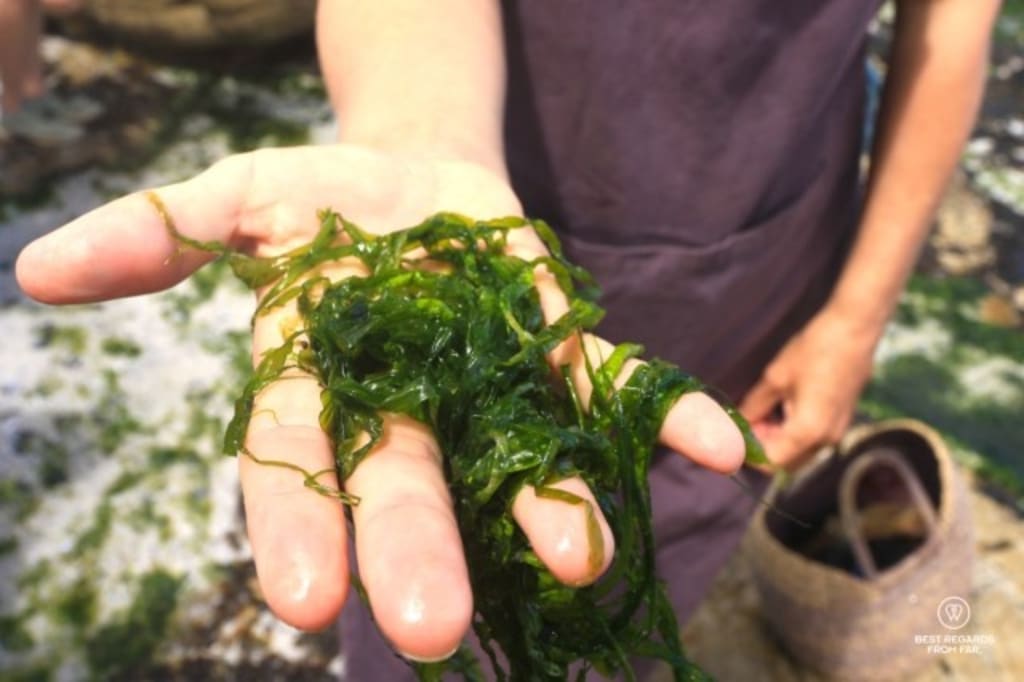
According to IMARC Group's latest research publication, South Africa seaweed market size reached USD 40.41 Million in 2024. Looking forward, IMARC Group expects the market to reach USD 81.52 Million by 2033, exhibiting a growth rate (CAGR) of 8.11% during 2025-2033.
How AI is Reshaping the Future of South Africa Seaweed Market
- AI tools track water conditions and seaweed health in real time. This helps South African farmers cut waste and lift yields efficiently. Local firms like Dominion Solutions apply similar AI in aquaculture for smarter operations.
- Government schemes like ADEP provide grants up to R20 million. These funds support tech upgrades for seaweed farmers adopting AI monitoring. It drives sustainable growth along the coast.
- South African teams use AI for marine alerts and video analysis. Systems from Vodacom and WWF protect farms from risks like entanglements. This creates safer, more productive seaweed sites.
South Africa Seaweed Market Trends & Drivers:
The South African seaweed sector is experiencing steady expansion driven by the country's rich coastal biodiversity and favorable ocean conditions along the west and south coasts. With abundant native species thriving in nutrient-rich waters, local cultivation efforts are gaining momentum through integrated approaches that link seaweed farming with existing aquaculture activities, such as abalone feed production. This synergy supports efficient resource use while promoting sustainable practices that minimize environmental impact. Growing interest from research institutions and entrepreneurs is fostering innovation in farming techniques, shifting from traditional wild harvesting toward more structured aquaculture methods. These developments position South Africa as an emerging player capable of contributing to broader blue economy goals, enhancing coastal livelihoods through job creation and community involvement in seaweed-related enterprises.
Rising global demand for natural and plant-based ingredients is propelling the South African seaweed market forward, particularly in food, agriculture, and personal care applications. Seaweed serves as a versatile source for hydrocolloids, biofertilizers, and bioactive compounds that appeal to health-conscious consumers seeking sustainable alternatives. Local initiatives focus on developing value-added products like seaweed extracts for soil enhancement and organic growth stimulants, addressing challenges in arid farming regions. Government policies under ocean economy frameworks encourage investment in marine resources, creating supportive environments for small-scale farmers and processors. This trend aligns with international shifts toward eco-friendly solutions, enabling South African producers to explore export opportunities while strengthening domestic supply chains through technology transfer and collaborative research efforts.
Sustainability imperatives and climate resilience are key drivers reshaping the South African seaweed landscape, as cultivation requires no arable land, fresh water, or chemical inputs, making it an ideal low-impact activity for coastal communities. Efforts to scale up farming address food security and economic diversification by empowering local participants, often women in rural areas, through training and market access programs. Integration with broader environmental strategies promotes biodiversity conservation while mitigating pressures on wild stocks. Advancements in processing and product diversification open pathways for pharmaceuticals, cosmetics, and animal nutrition, fostering long-term industry growth. These factors collectively build a resilient sector that contributes to national development objectives and positions South Africa within the expanding African seaweed narrative.
South Africa Seaweed Industry Segmentation:
The report has segmented the market into the following categories:
Environment Insights:
- Aquaculture
- Wild Harvest
Product Insights:
- Red
- Brown
- Green
Application Insights:
- Processed Foods
- Direct Human Consumption
- Hydrocolloids
- Fertilizers
- Animal Feed Additives
- Others
Regional Insights:
- Gauteng
- KwaZulu-Natal
- Western Cape
- Mpumalanga
- Eastern Cape
- Others
Competitive Landscape:
The competitive landscape of the industry has also been examined along with the profiles of the key players.
Recent News and Developments in South Africa Seaweed Market
- January 2026: Nike expanded its performance running footwear portfolio across South Africa with enhanced energy-return cushioning technology, delivering improved responsiveness and propulsion for both daily training and competitive runs.
- January 2026: Adidas introduced sustainable running apparel lines in South Africa made from recycled performance fabrics, appealing to environmentally conscious urban runners while maintaining high durability and moisture-wicking properties.
- January 2026: ASICS launched biomechanically optimized running shoes in South Africa, incorporating targeted support features designed to reduce injury risk through improved gait alignment and cushioning distribution.
Note: If you require specific details, data, or insights that are not currently included in the scope of this report, we are happy to accommodate your request. As part of our customization service, we will gather and provide the additional information you need, tailored to your specific requirements. Please let us know your exact needs, and we will ensure the report is updated accordingly to meet your expectations.
About the Creator
Fatimah
Market research writer at IMARC Group, turning data into engaging stories. Passionate about trends, insights & real-world impact. Join me on Vocal!
Enjoyed the story? Support the Creator.
Subscribe for free to receive all their stories in your feed.
Comments
There are no comments for this story
Be the first to respond and start the conversation.