
South Africa Retail Market Gains Momentum Through Digital Commerce
How evolving consumer preferences, digital transformation, and expanding retail networks are influencing growth opportunities in the South Africa retail market.

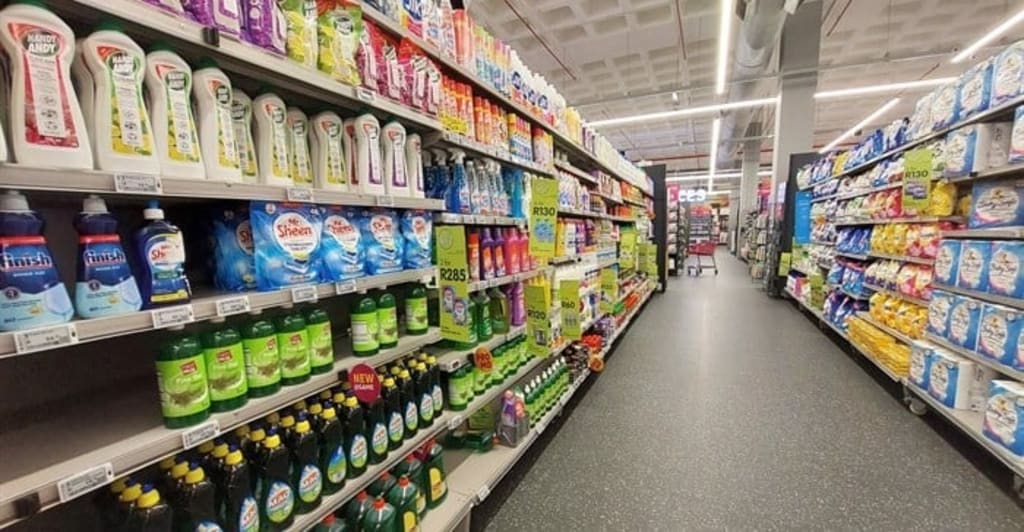
According to IMARC Group's latest research publication, South Africa retail market size was valued at USD 142.01 Billion in 2025 and is projected to reach USD 220.51 Billion by 2034, growing at a compound annual growth rate of 5.01% from 2026-2034.
How AI is Reshaping the Future of South Africa Retail Market
- South African retailers like Woolworths tap into AI for smart personalization that delivers tailored offers boosting customer loyalty across the country.
- Checkers Sixty60's Pixie AI assistant makes grocery shopping more intuitive helping millions find personalised deals with ease every week.
- Pick n Pay uses AI-powered search tools in its ASAP app to streamline product discovery for busy shoppers nationwide.
South Africa Retail Market Trends & Drivers:
The South African retail market is experiencing a significant shift towards digital integration as consumers increasingly embrace online shopping platforms for greater convenience and variety. Retailers are rapidly adopting omnichannel strategies that blend physical stores with e-commerce solutions, allowing seamless transitions between browsing in-person and purchasing via mobile apps. This trend is driven by improving digital infrastructure, wider smartphone penetration, and evolving consumer expectations for fast delivery options, particularly in urban areas where time constraints shape purchasing habits. Businesses are investing in technology to enhance customer experiences, such as real-time inventory tracking and personalized recommendations, fostering loyalty in a competitive landscape.
Consumer behavior in South Africa continues to prioritize affordability and quality amid economic pressures, pushing retailers to expand private label offerings and focus on essential goods. Shoppers are becoming more intentional, seeking value through promotions, bulk purchases, and convenient formats like quick commerce for ready-to-eat meals. Urbanization plays a key role as growing city populations demand accessible retail outlets and efficient supply chains. This driver encourages supermarkets and general dealers to innovate with smaller store formats and community-focused initiatives that build trust and repeat business while adapting to fluctuating household budgets.
Sustainability and technological advancements are reshaping the retail sector as companies respond to environmental concerns and operational efficiencies. Retailers are incorporating eco-friendly practices, such as reduced plastic usage and energy-efficient stores, to appeal to conscious consumers. At the same time, data analytics and artificial intelligence help optimize inventory management and predict demand patterns more accurately. These drivers support gradual market recovery by lowering costs and improving service levels, enabling both large chains and independent outlets to thrive through innovation and stronger supply chain resilience in a dynamic environment.
South Africa Retail Industry Segmentation:
The report has segmented the market into the following categories:
Product Insights:
- Food and Beverages
- Personal and Household Care
- Apparel, Footwear and Accessories
- Furniture, Toys and Hobby
- Electronic and Household Appliances
- Others
Distribution Channel Insights:
- Supermarkets and Hypermarkets
- Convenience Stores
- Specialty Stores
- Online Stores
- Others
Provincial Insights:
- Gauteng
- KwaZulu-Natal
- Western Cape
- Mpumalanga
- Eastern Cape
- Others
Competitive Landscape:
The competitive landscape of the industry has also been examined along with the profiles of the key players.
Recent News and Developments in South Africa Retail Market
- May 2026: E-commerce expansion accelerates with Checkers Sixty60 achieving 47% growth, generating nearly R19 billion in sales through on-demand grocery delivery and integrated loyalty programs.
- April 2026: Smart packaging innovations gain traction as retailers adopt interactive QR codes and shift toward 100% recyclable materials to meet EPR regulations and enhance consumer engagement.
- March 2026: AI-driven personalisation and real-time payments advance with broader PayShap in-store rollout and adoption of biometric options, supporting mobile-first shopping where over 63% of consumers browse via omni-channel platforms.
Note: If you require specific details, data, or insights that are not currently included in the scope of this report, we are happy to accommodate your request. As part of our customization service, we will gather and provide the additional information you need, tailored to your specific requirements. Please let us know your exact needs, and we will ensure the report is updated accordingly to meet your expectations.
About the Creator
Fatimah
Market research writer at IMARC Group, turning data into engaging stories. Passionate about trends, insights & real-world impact. Join me on Vocal!
Enjoyed the story? Support the Creator.
Subscribe for free to receive all their stories in your feed.
Comments
There are no comments for this story
Be the first to respond and start the conversation.