
South Africa Remittance Market: Digital Transfers, Financial Inclusion & Growth Outlook
How cross-border migration, digital payment adoption, and fintech innovation are transforming transaction volumes and service accessibility in the South Africa remittance market.

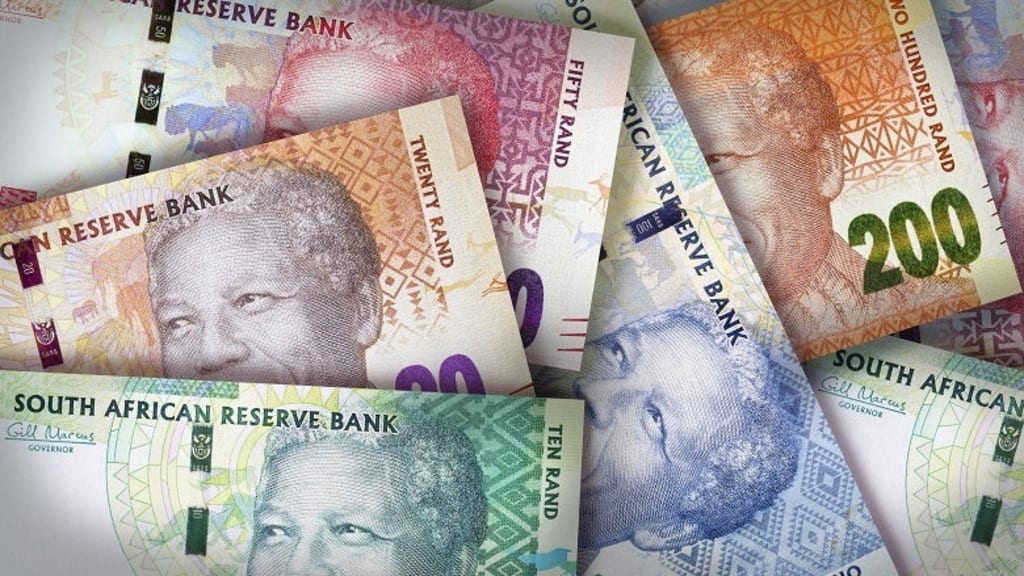
According to IMARC Group's latest research publication, South Africa remittance market size reached USD 243.88 Million in 2024. The market is projected to reach USD 415.40 Million by 2033, exhibiting a growth rate (CAGR) of 5.47% during 2025-2033.
How AI is Reshaping the Future of South Africa Remittance Market
- AI fraud detection systems now scan millions of South African remittance transactions daily, slashing false declines and boosting successful transfers for everyday users.
- Smartcomply's AI platform monitors over one billion dollars in monthly African remittance volumes while cutting manual compliance checks dramatically.
- Capitec partners with Wise to deliver fast, low-cost AI-powered cross-border payments straight from customer accounts across South Africa.
South Africa Remittance Market Trends & Drivers:
The South African remittance market continues to evolve through rapid digital transformation as mobile technology and fintech platforms gain prominence. Improved internet access and smartphone usage have encouraged both senders and recipients to shift toward convenient online and app-based transfer methods. This trend enhances speed, security, and accessibility while reducing reliance on traditional cash-based systems. Regional integration within Southern African economies further supports seamless cross-border flows, particularly among neighboring countries where labor mobility remains high. Service providers are increasingly focusing on user-friendly interfaces and competitive features to capture a larger share of the market.
Migration patterns serve as a primary driver shaping the remittance landscape in South Africa. The country acts as a regional economic hub attracting workers from across Southern Africa seeking better opportunities. These movements create sustained demand for money transfers that support families back home, contributing to household stability and local consumption. Economic disparities and employment prospects encourage ongoing labor flows, boosting both formal and informal channels. Diaspora networks strengthen these connections, fostering regular financial support that plays a vital role in recipient communities. Policy efforts toward financial inclusion also facilitate easier participation in remittance activities.
Regulatory adaptations and competitive innovations propel further development in the remittance sector. Authorities promote frameworks that encourage transparency and efficiency while addressing challenges in cross-border operations. Fintech companies introduce new solutions such as instant transfers and integrated financial services that appeal to diverse user groups. Growing awareness of secure digital options helps formalize previously informal flows, expanding overall market reach. Partnerships between banks, mobile operators, and specialized providers create more inclusive ecosystems that cater to both urban and rural populations. This dynamic environment supports long-term growth by aligning services with changing consumer expectations and regional economic realities.
South Africa Remittance Industry Segmentation:
The report has segmented the market into the following categories:
Mode of Transfer Insights:
- Digital
- Traditional (Non-digital)
Type Insights:
- Inward Remittance
- Outward Remittance
Channel Insights:
- Banks
- Money Transfer Operators
- Online Platforms (Wallets)
End Use Insights:
- Migrant Labor Workforce
- Personal
- Small Businesses
- Others
Provincial Insights:
- Gauteng
- KwaZulu-Natal
- Western Cape
- Mpumalanga
- Eastern Cape
- Others
Competitive Landscape:
The competitive landscape of the industry has also been examined along with the profiles of the key players.
Recent News and Developments in South Africa Remittance Market
- May 2026: Regulatory modernisation opens the national payment system to non-bank providers, enabling fintechs to offer remittance services with lower costs through activity-based licensing and ISO 20022 standards for seamless cross-border transfers.
- March 2026: PayShap real-time payments expand into remittance use cases, processing over R403 billion by late 2025 with more than 5 million ShapIDs, delivering instant, low-friction account-to-account transfers for peer and merchant payouts.
- December 2025: Digital wallet innovations by players like Mukuru advance mobile remittances across Southern Africa, combining partnerships with global networks for faster payouts and integrated financial services in hundreds of corridors.
Note: If you require specific details, data, or insights that are not currently included in the scope of this report, we are happy to accommodate your request. As part of our customization service, we will gather and provide the additional information you need, tailored to your specific requirements. Please let us know your exact needs, and we will ensure the report is updated accordingly to meet your expectations.
About the Creator
Fatimah
Market research writer at IMARC Group, turning data into engaging stories. Passionate about trends, insights & real-world impact. Join me on Vocal!
Enjoyed the story? Support the Creator.
Subscribe for free to receive all their stories in your feed.
Comments
There are no comments for this story
Be the first to respond and start the conversation.