
South Africa Real Estate Market: Urbanization Trends, Housing Demand & Growth Outlook
How rapid urbanization, infrastructure development, and evolving homebuyer preferences are transforming investment opportunities in the South Africa real estate market

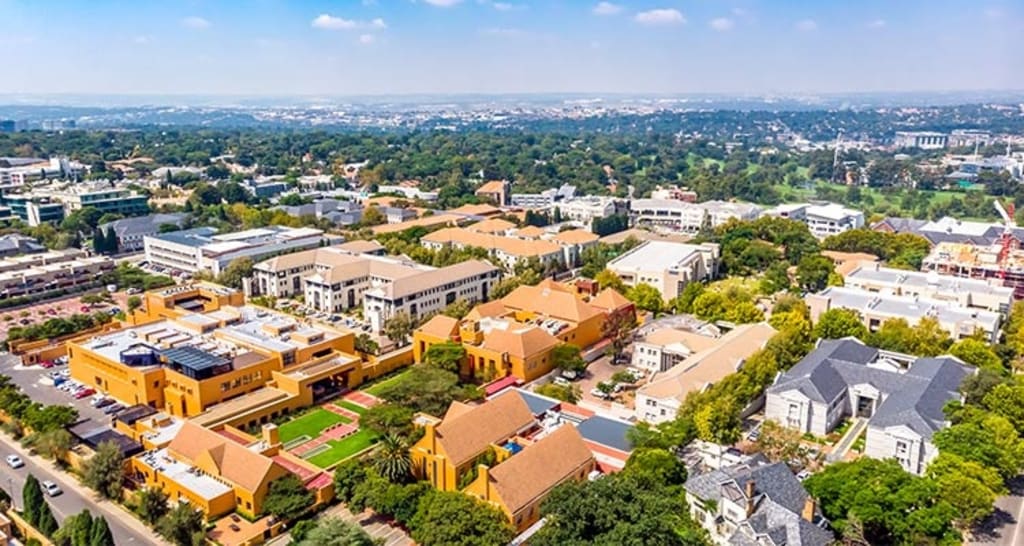
According to IMARC Group's latest research publication, South Africa real estate market size reached USD 53.4 Billion in 2025. The market is projected to reach USD 72.1 Billion by 2034, exhibiting a growth rate (CAGR) of 3.29% during 2026-2034.
How AI is Reshaping the Future of South Africa Real Estate Market
- AI is speeding up property valuations in South Africa through tools like Lightstone's AiVM, delivering smarter pricing and better lending decisions for buyers and investors alike.
- Smart platforms now offer personalized property matches and chatbots that answer queries instantly, making the home search process smoother and more user-friendly across the country.
- Companies in the real estate digital space, valued at 1.1 billion USD, are using AI analytics to spot investment opportunities and streamline operations for greater efficiency.
South Africa Real Estate Market Trends & Drivers:
The South African real estate market continues to experience steady recovery driven by improving affordability from lower interest rates and strong pent-up demand amid a persistent housing shortage. Urbanization and population growth in major cities fuel the need for both residential and commercial properties, while semigration trends see many professionals relocating to coastal regions for better lifestyle options. Investors are increasingly focusing on rental yields as economic conditions stabilize, with foreign buyers showing renewed interest in premium segments. Sustainability practices and green building standards are gaining traction among developers and buyers alike, reshaping project designs to meet evolving environmental expectations and enhancing long-term property appeal.
The residential sector benefits significantly from enhanced buyer confidence supported by favorable monetary policies and infrastructure developments across key provinces. Demand for sectional title properties and apartments rises as younger buyers and investors seek more accessible entry points into the market. Coastal areas attract lifestyle-driven purchases, boosting activity in secondary cities through internal migration patterns. The rental market expands robustly due to economic pressures on homeownership for some segments, creating opportunities for income-generating assets. Overall, a combination of local economic stabilization and global investor interest underpins positive momentum in the sector.
Market drivers include rapid urbanization coupled with shifting work patterns that prioritize properties offering flexible spaces and proximity to amenities. Developers respond by incorporating modern features and sustainable elements to differentiate offerings in competitive environments. Semigration and foreign capital inflows particularly support growth in desirable locations, while first-time buyers contribute through targeted support programs. The broader economic backdrop, including moderated inflation, encourages both domestic and international participation, fostering a balanced expansion across residential and investment segments in the coming period.
South Africa Real Estate Industry Segmentation:
The report has segmented the market into the following categories:
Property Insights:
- Residential
- Commercial
- Industrial
- Land
Business Insights:
- Sales
- Rental
Mode Insights:
- Online
- Offline
Regional Insights:
- Gauteng
- KwaZulu-Natal
- Western Cape
- Mpumalanga
- Eastern Cape
- Others
Competitive Landscape:
The competitive landscape of the industry has also been examined along with the profiles of the key players.
Recent News and Developments in South Africa Real Estate Market
- February 2026: Agentic AI and virtual property tours streamline transactions, with platforms enabling autonomous decision-making and reducing valuation times by up to 40% through data-driven insights.
- March 2026: Energy-resilient buildings with integrated solar PV and inverters command 20-30% rental premiums in load-shedding prone areas, while green-certified properties achieve 8-12% higher rental rates and improved occupancy.
- April 2026: Innovative modular building technologies accelerate affordable housing delivery, supporting job creation and climate resilience through new construction methods that address backlogs and sustainability goals.
Note: If you require specific details, data, or insights that are not currently included in the scope of this report, we are happy to accommodate your request. As part of our customization service, we will gather and provide the additional information you need, tailored to your specific requirements. Please let us know your exact needs, and we will ensure the report is updated accordingly to meet your expectations.
About the Creator
Fatimah
Market research writer at IMARC Group, turning data into engaging stories. Passionate about trends, insights & real-world impact. Join me on Vocal!
Enjoyed the story? Support the Creator.
Subscribe for free to receive all their stories in your feed.
Comments
There are no comments for this story
Be the first to respond and start the conversation.