
South Africa Microgreens Market: Urban Farming Trends, Healthy Eating & Growth Outlook
How health-conscious consumption trends, urban farming adoption, and demand for nutrient-rich foods are driving growth opportunities in the South Africa microgreens market

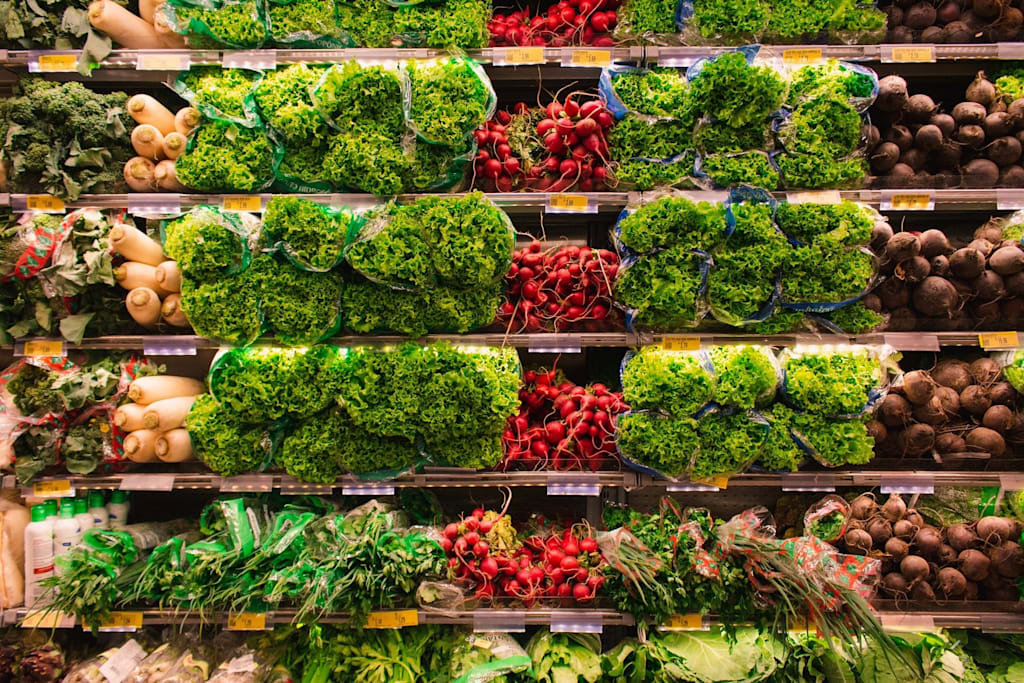
According to IMARC Group's latest research publication, South Africa microgreens market size reached USD 8.5 Million in 2025. The market is projected to reach USD 15.1 Million by 2034, exhibiting a growth rate (CAGR) of 6.39% during 2026-2034.
How AI is Reshaping the Future of South Africa Microgreens Market
- Farmers in South Africa are using AI-powered sensors to fine-tune growing conditions for microgreens, boosting yields while cutting water and nutrient waste significantly.
- Companies like Aerobotics apply AI and drone data to spot issues early in indoor microgreens setups, helping urban growers deliver fresher, healthier produce consistently.
- AI tools from local innovators such as Downforce Technologies improve soil health monitoring, making microgreens farming more sustainable and resource-efficient across South Africa.
South Africa Microgreens Market Trends & Drivers:
The South African microgreens market is experiencing steady expansion driven by increasing consumer awareness of nutrition and wellness. Health-conscious individuals are turning to these nutrient-packed young plants as essential additions to daily meals, salads, and gourmet dishes. Urban populations in cities like Johannesburg and Cape Town are embracing microgreens for their fresh flavors and vibrant appeal in plant-based diets. This shift reflects broader lifestyle changes where people prioritize functional foods that support immunity and overall vitality. Local producers are responding by scaling operations through innovative small-scale setups that fit into limited spaces.
Rising interest in sustainable and local food production is propelling the microgreens sector forward across South Africa. Farmers and entrepreneurs are adopting indoor and controlled environment methods to overcome challenges like water scarcity and variable climate conditions. These approaches enable year-round cultivation with minimal resources while reducing transportation needs and ensuring consistent supply to restaurants and markets. Community initiatives and urban farming projects are fostering greater participation, creating opportunities for small businesses and contributing to food security efforts in both rural and metropolitan areas.
Technological advancements in farming techniques are transforming how microgreens are grown and distributed in the South African market. Integration of modern systems allows for efficient monitoring and higher yields in compact environments, appealing to both commercial operators and home growers. Demand from the hospitality industry and retail outlets continues to grow as chefs incorporate these delicate greens for enhanced presentation and taste profiles. Educational programs and entrepreneurial support are encouraging more participants to enter the space, building a robust supply chain that meets evolving consumer preferences for fresh, traceable produce.
South Africa Microgreens Industry Segmentation:
The report has segmented the market into the following categories:
Type Insights:
- Broccoli
- Cabbage
- Cauliflower
- Arugula
- Peas
- Basil
- Radish
- Others
Farming Method Insights:
- Indoor Vertical Farming
- Commercial Greenhouses
- Others
End Use Insights:
- Residential
- Commercial
Distribution Channel Insights:
- Supermarkets and Hypermarkets
- Retail Stores
- Others
Regional Insights:
- Gauteng
- KwaZulu-Natal
- Western Cape
- Mpumalanga
- Eastern Cape
- Others
Competitive Landscape:
The competitive landscape of the industry has also been examined along with the profiles of the key players.
Recent News and Developments in South Africa Microgreens Market
- March 2025: Hydroponic systems secured top honors in a national clean-tech innovation challenge, using up to 90% less water and significantly reduced land compared to traditional farming methods for microgreens production.
- August 2025: Tsehla Holdings advanced hydroponic agritech solutions with a major retail supplier agreement, empowering women-led teams and enabling resilient year-round microgreens cultivation resilient to weather variability through controlled nutrient delivery.
- February 2026: Urban indoor vertical farming setups expanded in Johannesburg, leveraging automated LED lighting and soil-less systems to achieve consistent high-nutrient microgreens harvests with minimal space, boosting local restaurant and retail supply chains.
Note: If you require specific details, data, or insights that are not currently included in the scope of this report, we are happy to accommodate your request. As part of our customization service, we will gather and provide the additional information you need, tailored to your specific requirements. Please let us know your exact needs, and we will ensure the report is updated accordingly to meet your expectations.
About the Creator
Fatimah
Market research writer at IMARC Group, turning data into engaging stories. Passionate about trends, insights & real-world impact. Join me on Vocal!
Enjoyed the story? Support the Creator.
Subscribe for free to receive all their stories in your feed.
Comments
There are no comments for this story
Be the first to respond and start the conversation.