
South Africa HDPE Pipes Market: Urbanization Trends, Irrigation Demand & Growth Outlook
How rising investments in irrigation systems, mining activities, and municipal water supply are shaping industry expansion and product adoption in the South Africa HDPE pipes market

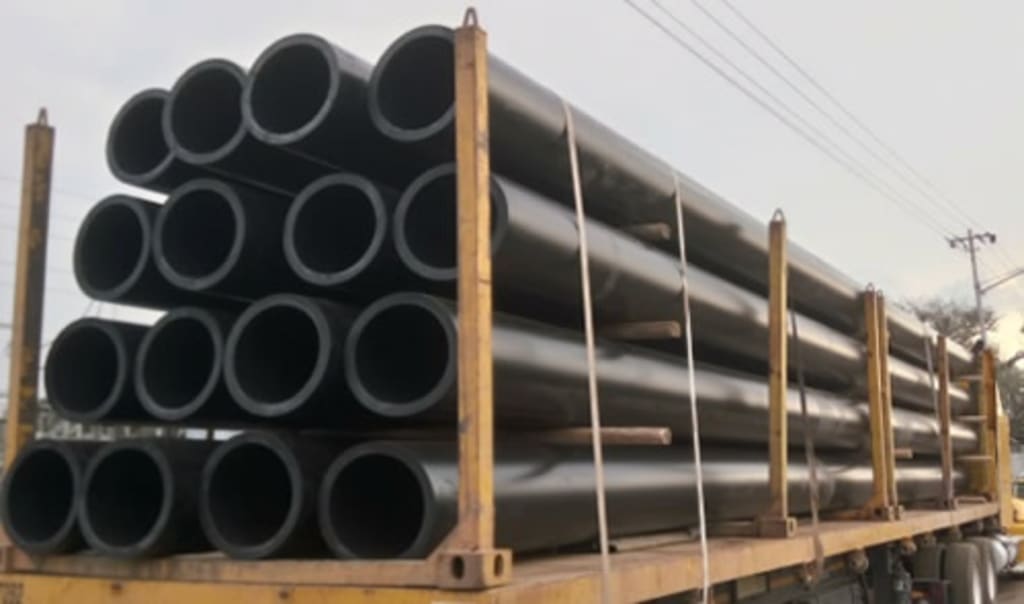
According to IMARC Group's latest research publication, South Africa HDPE pipes market size reached USD 147.63 Million in 2024. The market is projected to reach USD 255.30 Million by 2033, exhibiting a growth rate (CAGR) of 5.63% during 2025-2033.
How AI is Reshaping the Future of South Africa HDPE Pipes Market
- AI-driven predictive maintenance systems are enhancing pipeline efficiency by minimizing downtime and reducing maintenance costs, aligning with the market's pursuit of high-performance, low-maintenance materials.
- Government infrastructure projects integrating AI-enabled monitoring are improving water management systems which encourages the adoption of reliable HDPE pipes.
- Companies like Pipestar Africa implement AI in designing precision-engineered pipe fittings, increasing the reliability and quality of HDPE pipe solutions.
South Africa HDPE Pipes Market Trends & Drivers:
The increasing adoption of HDPE pipes in infrastructure development across South Africa constitutes a major growth impetus. The pipes’ long-term durability, corrosion resistance, and ability to perform in diverse environmental conditions make them ideal for upgrading government water supply, sewage, and rural irrigation networks. As noted by the Department of Water and Sanitation, efforts to minimize water losses through upgraded pipeline systems in urban and peri-urban areas directly foster HDPE pipe demand. Municipalities value HDPE's chemical exposure resistance and leak-free fusion joints for cost-effective and reliable service delivery, reinforcing infrastructure resilience and operational sustainability.
Innovations in installation practices are shaping the South Africa HDPE pipes market significantly. Techniques such as horizontal directional drilling reduce requirements for open-cut excavations, particularly beneficial in urban and environmentally sensitive zones. These methods facilitate faster project completions with minimized surface disruptions. Furthermore, the ongoing transition toward incorporating recycled materials in pipe manufacturing supports national sustainability frameworks. Local manufacturers are expanding capacities to meet this shift, addressing demand for both virgin and recycled HDPE pipe systems. This blend of innovation reduces environmental footprints while maintaining industry-standard performance, driving market expansion.
Sustainability awareness and affordability concerns also strongly contribute to market growth. The rising preference for materials aligning with circular economy principles and ecological objectives is evident in the sector's move towards recycled HDPE. Engineering News reported increased investment in local production capacities of HDPE pipes, fueled by environmental goals and cost-effectiveness priorities in water management, mining, and telecommunications sectors. These factors are securing HDPE pipes' position as a trusted material choice in South Africa's evolving construction and infrastructure landscape.
South Africa HDPE Pipes Industry Segmentation:
The report has segmented the market into the following categories:
Type Insights:
- PE 63
- PE 80
- PE 100
Application Insights:
- Oil and Gas Pipe
- Agricultural Irrigation Pipe
- Water Supply Pipe
- Sewage System Pipe
- Others
Regional Insights:
- Gauteng
- KwaZulu-Natal
- Western Cape
- Mpumalanga
- Eastern Cape
- Others
Competitive Landscape:
The competitive landscape of the industry has also been examined along with the profiles of the key players.
Recent News and Developments in South Africa HDPE Pipes Market
- July 2025: Pipestar Africa, based near Johannesburg, has enhanced its footprint by innovating precision-engineered HDPE pipe fittings with international certifications, enhancing market trust in critical infrastructure and mining applications.
- September 2025: The Department of Water and Sanitation initiated upgraded pipeline systems in urban and peri-urban areas to minimize water losses, promoting the use of long-lasting, corrosion-resistant HDPE pipes tailored for sustainable infrastructure.
- June 2025: Reports from Engineering News reveal that local manufacturers have expanded production capacity for both virgin and recycled HDPE pipe systems, driven by increasing investments and demand aligned with sustainability goals.
Note: If you require specific details, data, or insights that are not currently included in the scope of this report, we are happy to accommodate your request. As part of our customization service, we will gather and provide the additional information you need, tailored to your specific requirements. Please let us know your exact needs, and we will ensure the report is updated accordingly to meet your expectations.
About the Creator
Fatimah
Market research writer at IMARC Group, turning data into engaging stories. Passionate about trends, insights & real-world impact. Join me on Vocal!
Enjoyed the story? Support the Creator.
Subscribe for free to receive all their stories in your feed.
Comments
There are no comments for this story
Be the first to respond and start the conversation.