
Smart homes: convenient or creepy?
Is Your House Helping You or Watching You?
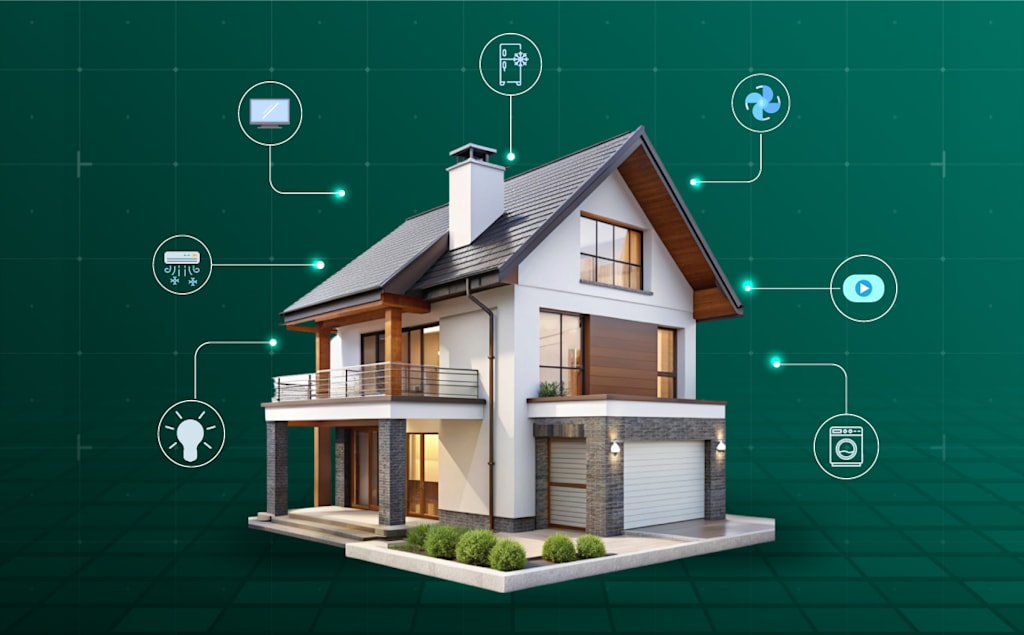
You may have seen these smart homes across mass media, however are they really the epitome of convenience or the first symptom of ‘big brother’ implementation?
The term smart homes was coined in 1984 by the American association of house builders referring to integration of technology and services for better comfort in homes. Yet they would not have foreseen the extensive change over the next decades that would transform houses. Even though home automation existed earlier, the creation of cheaper affordable products such as Amazon Alexa and Philips Hue Lighting allowed the surge of innovation and invented the smart home we see today, an artificial ecosystem.
The projected USD $537.27 billion by 2030 industry offers ease and accessibility which many consumers worldwide demand . Smart homes are normally voice controlled or via a remote. This means many household inhabitants have a more simple daily life or as some describe a lazier life. These ecosystem homes also offer security, in an incredibly crime ridden world, smart cameras such as Ring allow homeowners to monitor outside their home if they are away or just want to see who is at the door. This industry has also helped the home alarm security sector as smart security systems can automatically turn on lights or play sound when movement is detected acting as a deterrent but also integrate into remote-controlled security ecosystems.
More importantly, smart home technology helps elderly or disabled individuals to maintain independent living. Many disabled people can now live alone, an opportunity not provided to them 20 years ago. Furthermore The National Institute for Health and Care Research (NIHR) has awarded over £5 million to research projects that aim to innovate care through the use of cutting-edge digital technology. Professor Mike Lewis, NIHR scientific director for innovation, said “The NIHR is fully committed to using digital innovations to improve the delivery of social care in the UK.”
As the effects of climate change cause the ozone layer to deteriorate and exacerbate weather conditions, smart homes help fight this by prioritising energy efficiency so less oil and power is wasted. Devices like smart thermostats can reduce energy by automatically optimizing heating and cooling and reportedly can reduce energy consumption by up to 28%. Smart home ecosystems also help reduce water consumption as more is required in the use of AI but as fresh water reserves deplete. This is accomplished by Smart water meters tracking water usage in real-time and providing analytics via an app or some smart water appliances often incorporate sensors with some water-recycling showers reducing consumption by up to 80%.
However these convenient ecosystems invite the privacy paradox. The privacy paradox refers to consumers valuing personal data opposing their behaviour. Even though 90% of people value their data, many take little steps to protect it and sometimes even sacrifice it for insignificant monetary values in surveys or on apps.
Devices such as Google Home, Apple Siri and Amazon Alexa are continuous in most people's daily lives. These helpful ‘convenient products’ are often listening for a wake word which means these intelligences monitor surrounding conversations leading to privacy concerns. which could create an unsettling atmosphere as these devices are always listening and sometimes malfunction resulting in lights turning off randomly or speaker outbursts.
Companies may also collect detailed data from smart appliances which is known as data harvesting, this may be helpful when needing a product. Yet on some occasions these companies lack moral standards and share behavioral data to third parties for a profit. Furthermore even though these smart ecosystems offer home security there are also acknowledged risks such as cameras and smart locks are potential targets for hackers and can gain unauthorized access. There is also a risk of unforeseen circumstances, power cuts could result in no access to the home without a generator or many applications such as smart locks or cameras malfunction.
So has the marketable convenient home turned into another avenue privacy is pirated ?
About the Creator
Enjoyed the story? Support the Creator.
Subscribe for free to receive all their stories in your feed.
Comments
There are no comments for this story
Be the first to respond and start the conversation.